Petro Emphasizes Diplomacy Despite Escalating Rhetoric From Washington
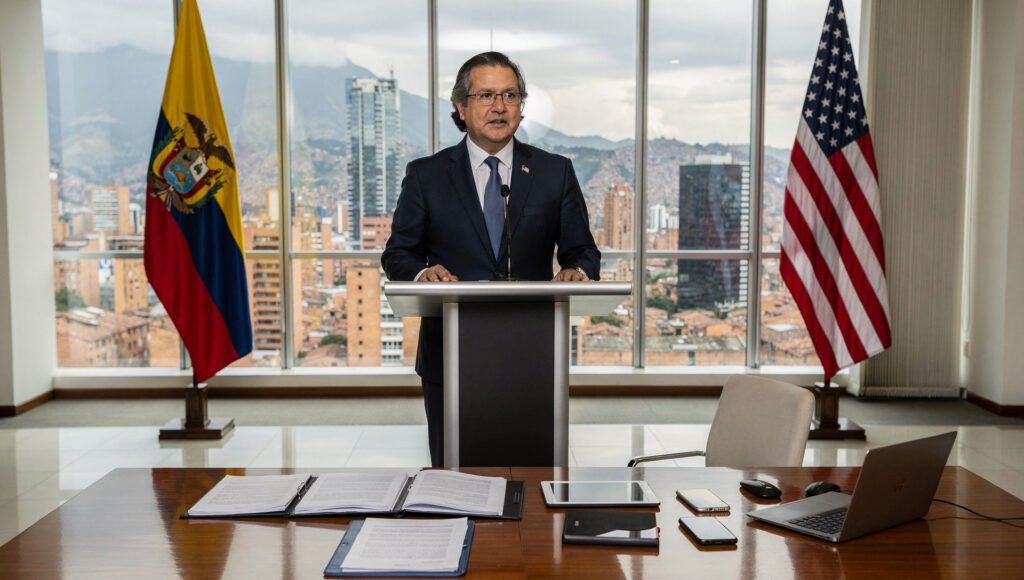
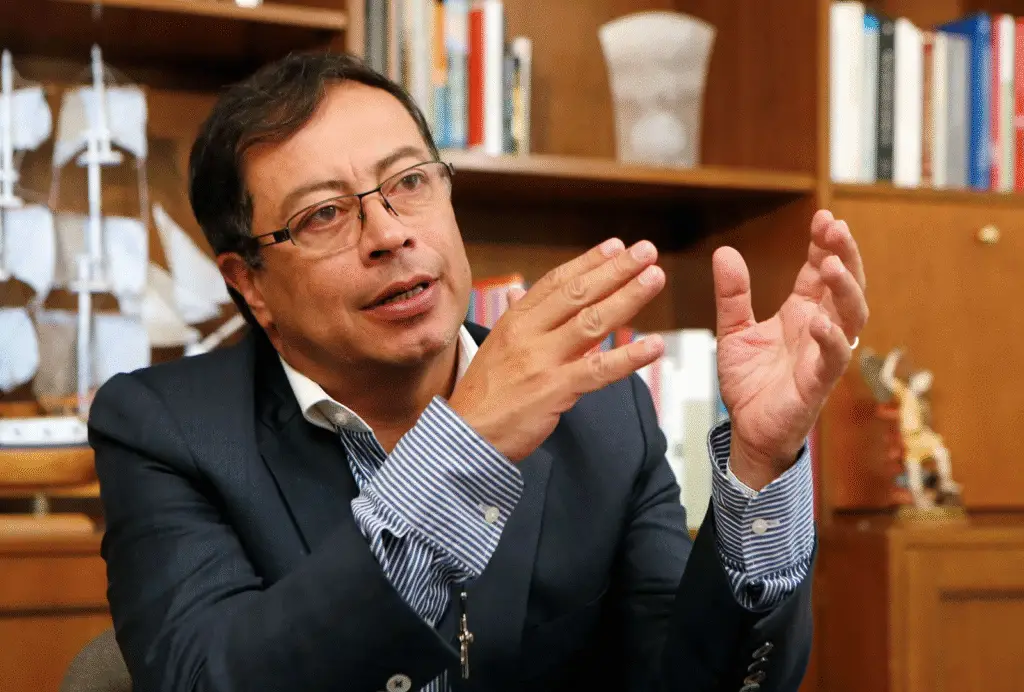
President Gustavo Petro stressed the importance of keeping diplomatic lines of communication open with Washington, even though there have been recent threats and hostile speech. He said that talking openly with each other helps avoid misunderstandings and lowers risks when there is a lot of political pressure. Petro saw diplomacy as a way to keep things stable, not as a way to give in to outside pressure.
From Bogotá, Petro said that talking to each other keeps disagreements political instead of military. He said that talking to each other keeps things from getting worse, even when personal attacks and accusations are the main topics of conversation. He said that keeping in touch protects national interests during times of geopolitical instability.
Source: Britannica
Colombia Maintains Drug Cooperation Despite Political Hostilities
Despite strained relations between the two countries, Petro reaffirmed Colombia’s commitment to working with the United States to fight drugs. He said that working together is a long-term duty, not a way to get what you want in politics. This position is meant to keep things running smoothly even when diplomacy is rocky.
Petro says that intelligence and security coordination must go on even if there are disagreements about ideology. He said that making cooperation harder would help criminal groups that take advantage of gaps in institutions. He said that long-term cooperation is good for both Colombian security and stability in the region.
Trump’s Threats Heighten Tensions Across The Region
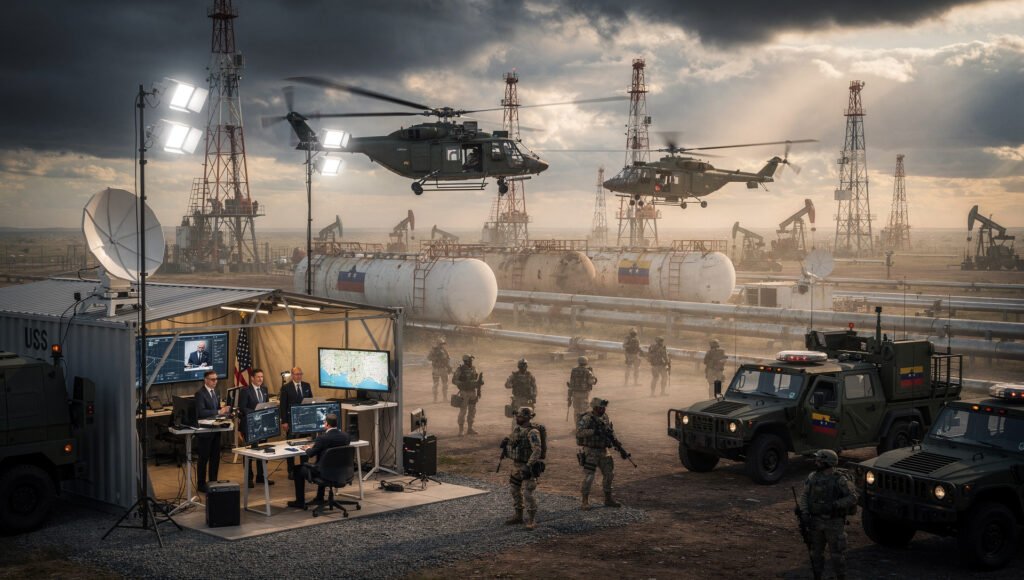
Things got worse when US President Donald Trump said that the US might take military action against Colombia because of what was going on in Venezuela. Trump accused Petro of committing a crime without any proof, which made diplomatic tensions much worse. Analysts say that comments like these showed that Washington was becoming more aggressive in the hemisphere.
Petro answered by saying that Colombia is a free country and is ready to defend itself if it needs to. But later on, he toned down his language and focused on de-escalation through direct communication. The episode showed how unstable regional balances can be when power shifts.
Recommended Article: Punjab Politics Heats Up as Faith and Power Intersect
Direct Communication Opens New Diplomatic Channels
Petro and Trump talked on the phone recently, which was a rare direct conversation between leaders. Petro said that the talk opened up a way to talk that hadn’t been there before. He thought the conversation was necessary to clear up misunderstandings and stop people from acting on their own.
The call came after days of angry statements, which showed that both sides wanted to calm things down. People watching said the talk helped calm down the rising rhetoric for a while. Petro said that direct conversation is still very important when things are very uncertain.
Petro Criticizes US Approach Toward Venezuela
Petro strongly criticized the US for taking Venezuelan President Nicolás Maduro, saying it was a violation of sovereignty. He said that these kinds of actions could make things worse for nearby countries, like Colombia. Petro says that Venezuela’s collapse would have serious effects on the whole region.
He said that outside help could lead to violence and long-term instability inside the country. Petro stressed how weak Colombia is because of its shared borders and the pressure of migration. He said that political solutions, not military force, are needed to keep things from getting out of hand.
Proposal For Elections And Shared Government In Venezuela
Petro suggested that Venezuela have a shared transitional government that would be formed through open political dialogue. He said that working together with different groups was a way to hold fair elections. He said that this method could stop violent power struggles from happening after a change in leadership.
He said that talks with Delcy Rodríguez, the interim president of Venezuela, showed that people were worried about the country falling apart. Petro said that stories of betrayal could make things worse between former allies. He said that dialogue is still the only way to move forward.
Regional Leadership Amid Shifting Geopolitical Alignments
Petro’s way of doing things shows that Colombia wants to be a leader in the region through diplomacy and restraint. He criticizes what the US does, but he also works with them on things that are important to both of them. This two-pronged approach tries to keep Colombia independent while also avoiding being cut off from the rest of the world.
Petro puts Colombia in the role of mediator instead of proxy as regional alliances change. His focus on talking to each other shows that he has a bigger plan for keeping Latin America stable. Petro wants cooperation without giving up national sovereignty, even though he is under a lot of pressure.