


New Partnership Strengthens Regional Public Health Efforts
The Pan American Health Organization (PAHO) and Ferrero International S.A. have officially started a three-year partnership to improve health and well-being across the Americas. The goal of the partnership is to help public health programs that help kids, teens, and families in the region who are in need.
The signing of a Framework Agreement in late 2025, which made the partnership official, came before this project. Both groups said again that they are both committed to making healthcare more fair and promoting long-lasting health systems in Latin America and the Caribbean.

Source: Ferrero’s Website
Focus on Vaccination in Areas Affected by Conflict
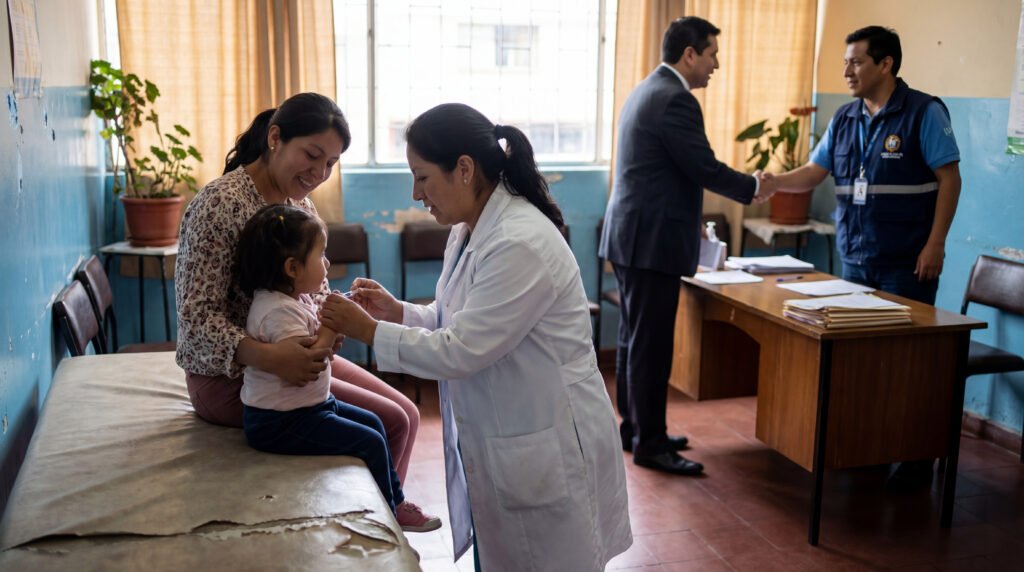
The first project of the partnership is to improve vaccination services in Ecuador, especially in provinces that have been affected by violence, such as Guayas and Manabí. These communities have had trouble getting people vaccinated because of problems with safety and social stability.
The goal of the initiative is to close immunization gaps by helping local health networks, training community workers, and expanding programs that reach out to people who need vaccinations. The project shows that both groups believe that vaccines are still a key part of public health and an important way to protect vulnerable groups.
Shared Vision for Ethical and Effective Collaboration
Dr. Jarbas Barbosa, the director of PAHO, thanked Ferrero for their dedication to improving health outcomes in the region through open and honest cooperation. He stressed that long-term progress in public health depends on partnerships based on shared values and institutional independence.
Philip Myers, Ferrero’s Chief Institutional Affairs Officer, talked about how the company is committed to social responsibility. He said that real change happens when companies work together based on science, honesty, and respect for public priorities. He said again that Ferrero believes that helping communities that can bounce back is in line with its main goal of improving the health of families and children.
Recommended Article: Penn State Health Backs Routine Childhood Vaccination Program
Expanding Cooperation Beyond Ecuador
During the meeting in Washington, D.C., PAHO and Ferrero talked about the possibility of working together in other countries in the region. The partnership is meant to be flexible so that it can work in different national health situations and with different priorities.
The Framework Agreement sets up a way for countries in the region to work together. This could include Argentina, Brazil, Chile, Colombia, Ecuador, and Mexico, depending on changing health needs and the project’s feasibility. Both sides see a model that can be scaled up and used in many different countries.
Priorities That Fit With PAHO’s Regional Mandate
The Framework Agreement lists strategic areas of cooperation that are in line with PAHO’s technical mandate. These include strengthening the health system, making it easier for vulnerable groups to get care, and improving immunization and emergency response capabilities.
These efforts are part of a larger goal for the region to achieve universal health coverage and make sure that no community is left behind in the quest for fair healthcare. The partnership also stresses how important it is to combine the knowledge of institutions with the resources of the private sector to achieve long-term public health goals.
A Model for Public Private Health Partnerships
The partnership between PAHO and Ferrero shows how working together between the public and private sectors can speed up progress toward health goals when there are clear ethical guidelines and openness. Both groups stressed that independence and accountability will always be important in any activity done together under the agreement.
This method aims to build trust between governments, communities, and health institutions while making a difference in areas where public health systems have major structural problems.
PAHO Ferrero Collaboration Aims to Boost Latin America Health
PAHO and Ferrero will keep looking for ways to work together in other parts of the region as implementation starts in Ecuador. The groups want to make sure that their new projects fit in with national public health plans and focus on the needs of the communities that are most at risk.
The goal of the partnership is to improve health resilience across Latin America by combining Ferrero’s corporate responsibility efforts with PAHO’s technical leadership. In this way, it shows how global organizations and responsible businesses can work together to make societies healthier and more welcoming.