


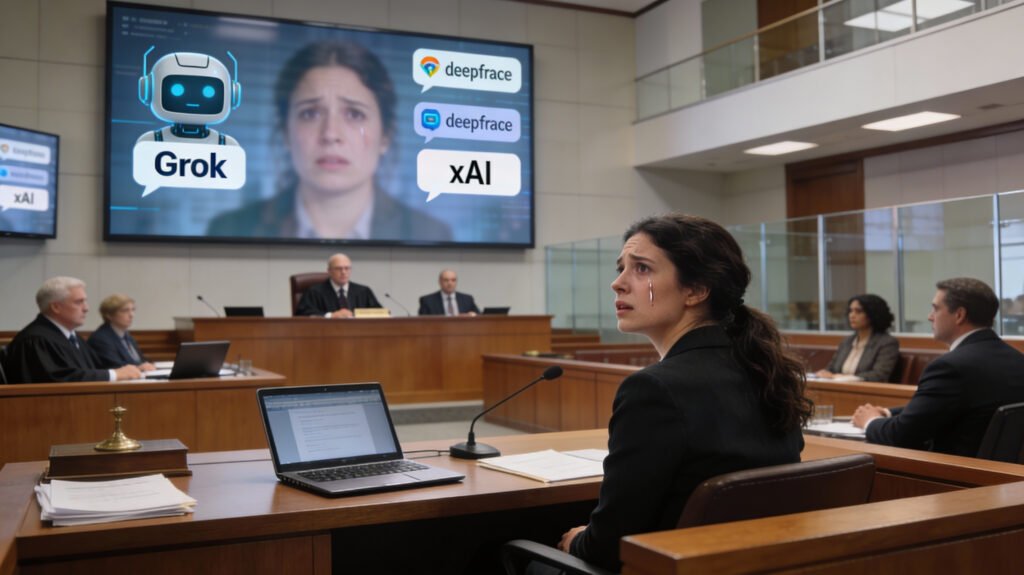
Lawsuit Targets Grok Over Alleged Nonconsensual Deepfake Images
Ashley St. Clair is suing xAI, saying that its Grok chatbot lets deepfake images that are sexually exploitative. She says the pictures made her feel embarrassed, hurt her mind, and made her feel bad for a long time. The case shows that there are more and more legal risks with generative AI tools.
St. Clair says that Grok let users make fake images without her permission or protection. She says that reporting the pictures did not lead to good moderation responses. Her lawsuit is about making AI systems responsible for making fake content that hurts people.
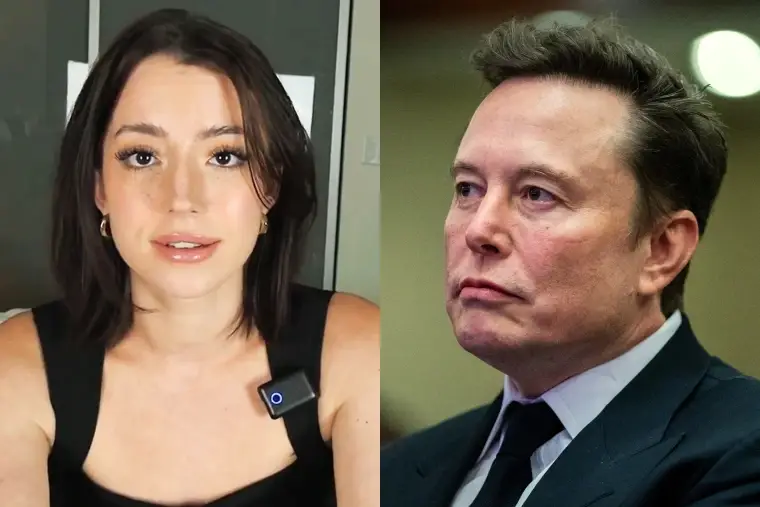
Source: NBC News/Website
Claims Focus On Emotional Distress And Personal Harm
St. Clair says that the deepfake pictures had a big effect on her mental health and public image. She says that the constant availability of pictures made her pain worse. The lawsuit says that the problem is both personal injury and systemic negligence.
In court documents, she talks about feeling ashamed and powerless. She says that the distress continues even though Grok can still make similar images. Her lawsuit highlights the long term mental health effects of using AI incorrectly.
Platform Responses And Alleged Retaliation Outlined In Filing
St. Clair says she told X, the host of Grok, about the pictures and asked for them to be taken down right away. She says that at first, the platform said the content policy was okay. It was said that she was punished with account actions after being promised later.
She says that after she complained, her premium subscription and verification were taken away. The lawsuit says that degrading images were still available even though promises had been made to remove them. These actions are given as proof of retaliatory behavior and poor safety measures.
Recommended Article: UK Robotics Push Signals Major Job Shifts From AI
xAI Countersues Over Jurisdiction And User Agreement Terms
xAI filed a counterclaim saying that St. Clair broke the forum selection rules in its user agreement. The company wants to move the case to federal court in Texas. It also asks for unspecified money damages in its filing.
St. Clair’s lawyers said the countersuit was strange and aggressive. Her lawyer said that any court would agree that the main harm claimed was real. The disagreement makes an already well known case even more complicated.
Authorities Intensify Regulatory Scrutiny Of Grok Technology
California Attorney General Rob Bonta sent a cease and desist letter before the lawsuit. He told xAI to stop making and sharing sexualized images that were not consensual. Authorities said that such content could be illegal and very troubling.
Bonta pointed to many reports of women and minors being involved in explicit deepfakes. If safety measures do not get better, regulators have said they will take stronger action. The case shows how the government is getting more involved in AI content management.
Global Backlash Builds Against AI Generated Explicit Content
Grok has been looked into or had its activities limited in many countries and areas. Governments in Europe and Asia talked about the dangers of sexualized images and minors. There is more pressure from around the world for better AI safety controls.
Japan, the EU, and a few Southeast Asian countries are looking into Grok’s results. Some places temporarily stopped people from using the service. The backlash shows that people all over the world are worried about generative image technologies that are not regulated.
Case Raises Broader Questions About AI Accountability And Ethics
St. Clair said that her lawsuit is about more than just a fight with xAI. She says that AI systems can scale up abuse without any real consequences. The case makes developers think about safety before they deploy.
Experts say that the lawsuit could change the rules about who is responsible for AI in the future. Courts could make it clearer who is responsible for stopping synthetic images that are not consensual. The outcome may affect how companies around the world set up moderation and safety systems.