


Lawsuit Targets Meta Ray Ban Smart Glasses Technology
Meta is being sued because its smart glasses allegedly used patented technology that Solos owns. The complaint says that early Ray Ban smart glasses already used protected ideas without permission. Solos says that continued sales make damages worse because newer models with displays are reaching customers.
Meta and EssilorLuxottica are the defendants in the ongoing lawsuit. According to Solos, the alleged infringement has hurt its ability to compete in the market. The company wants a lot of money in damages and for all sales of the product to stop.
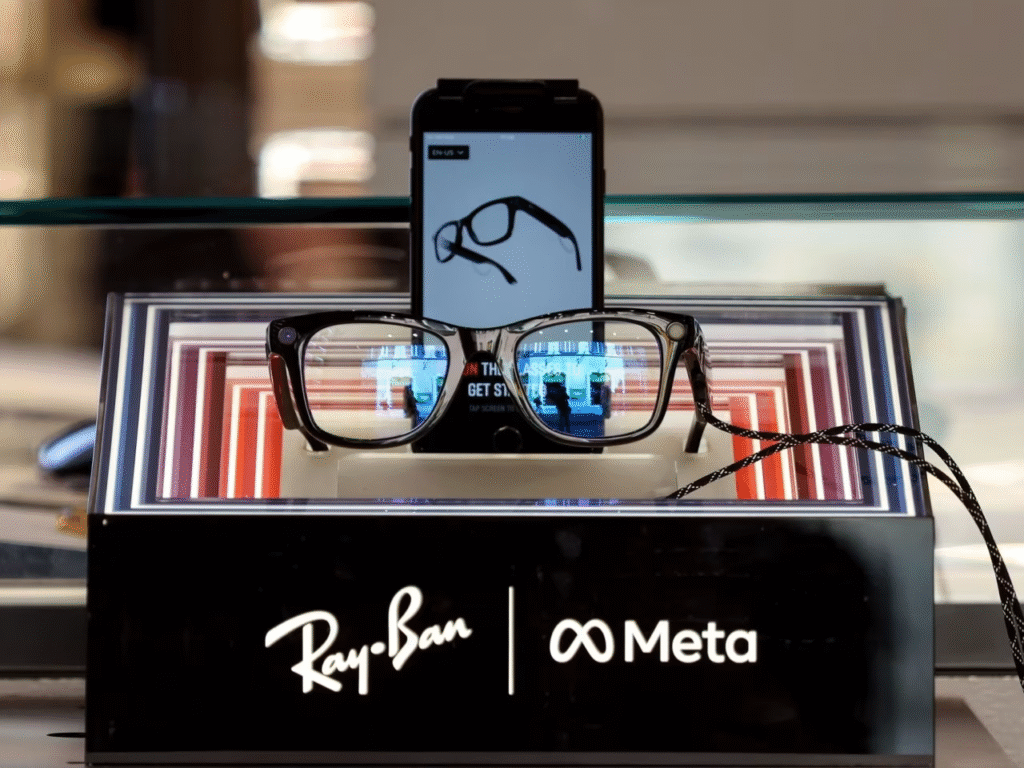
Source: The Wall Street Journal/Website
Solos Claims Patents Were Used Without Permission
Solos says that Meta used its patented smart glasses ideas in its own products. The company says that these technologies are years older than Meta Ray Ban smart glasses. Reports say that internal documents show that Solos designs and Meta implementations are similar.
Solos says that the infringement affects more than one generation of products. It’s said that newer models with built-in displays still use protected ideas. The company says this pattern shows that people have been using its intellectual property without permission for a long time.
Market Impact Cited As Reason For Major Damages
According to Solos, Meta’s actions led to lost partnerships and missed business opportunities. The market for smart glasses has grown quickly, which makes infringement more expensive. Solos says it lost billions of dollars because of projected growth and missed sales.
The lawsuit says that Meta’s large market share hurt smaller competitors even more. People say that this imbalance kept Solos from being able to compete fairly in new categories of wearable technology. When deciding how much money to give someone for damages, courts are asked to think about how the industry will be affected in the long run.
Recommended Article: Lemong Bets on Agentic AI in Korea Restaurant Tech Race Now
Oakley Access Raises Questions Over Prior Exposure
Solos says that Oakley executives were able to see its products and plans for development years ago. EssilorLuxottica Meta’s smart glasses partner owns the Oakley brand. This access is said to have given Meta Ray Ban designers ideas that later showed up in their designs.
The complaint says that this kind of exposure makes claims of intentional infringement stronger. Solos says that having relationships with people in the same industry may have made it easier to share knowledge. Legal filings stress the need for meetings and product feature introductions to happen at the same time.
Meta Response Remains Absent As Case Develops
Meta has not said anything in public about the lawsuit or the specific claims it makes. The company’s silence raises questions about its defense strategy and possible settlement options. EssilorLuxottica has also said that they won’t respond to the claims right away.
People think that Meta will either question the validity of the patent or say that it was developed independently. In technology fields, these kinds of defenses are common in complicated intellectual property disputes. It could take years for the case to be resolved or settled.
Smart Glasses Sector Faces Growing Legal Scrutiny
The lawsuit shows that competition in the smart glasses market is getting stronger. Patent disputes are becoming more common as big companies put a lot of money into them. The speed of innovation often outpaces the clarity of the law, which leads to ongoing intellectual property disputes.
Analysts in the tech industry say that wearables are a key area of competition for future computers. Having control over basic patents could affect who leads the market in the long term. This case could change the way partnerships handle the development of shared technology.
Court Outcome May Reshape Wearable Technology Competition
If Solos wins, sales of Meta smart glasses might be stopped. A ruling could require licensing agreements or redesigns that would change product roadmaps. These kinds of results could have an effect on the whole augmented reality ecosystem.
Lawyers say that verdicts in famous cases set important examples for other cases. Developers of smart devices in the future may have to follow stricter patent clearance rules. This disagreement shows that the risks are getting bigger as consumer electronics, fashion, and hardware come together.