Kraft Heinz Pauses Breakup Plan to Focus on Performance
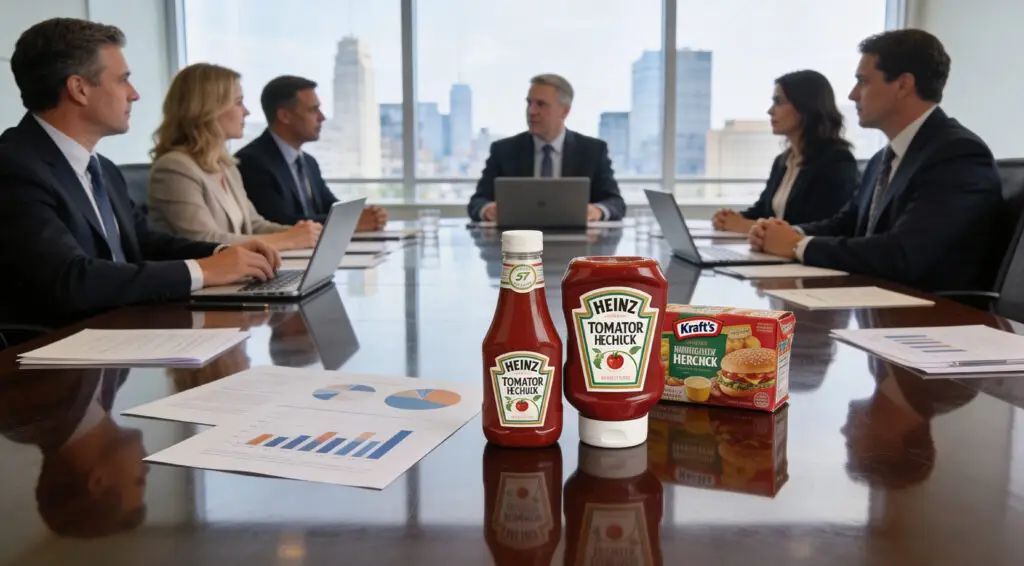
Kraft Heinz said it is putting on hold preparations that were already made to split the company into two separate businesses that might be traded on their own. The decision shows that the leaders want to focus their energy on getting things done rather than dealing with the complicated issues of separating. Executives think that putting off the split will save money and keep the company focused during a time of important change.
Steve Cahillane, the CEO, said that many of the problems the company is facing can still be solved with a disciplined approach and better alignment throughout the company. He said that the turnaround was possible if management focused on restoring long-term profitability. This message shows a strategy shift from changing structures to changing performance.
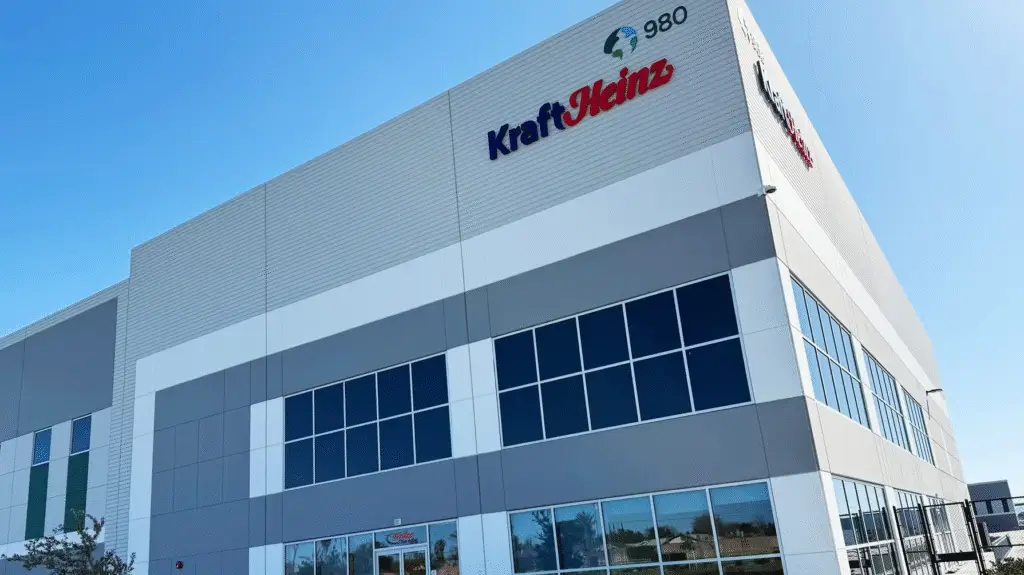
Source: Just Food/Website
New CEO Prioritizes Return to Profitable Growth
Since taking over as CEO in January, Cahillane has made it clear that the company’s main goal going ahead is to develop profitably. To get that result, capital, talent, and operational processes need to be used in a coordinated way across all of the company’s main business areas. So, leadership decided that putting off the split would be preferable for recovery efforts in the short run.
The executive also said that avoiding dis-synergies that come from a breakup will make the company’s finances more flexible throughout the fiscal year. Management wants to speed up the implementation of its operating plan by limiting disruptions during the changeover. Investors typically see this kind of clarity as a sign of better governance.
Strategic Investment Aims to Revive Brand Strength and Market Share
The money will help with marketing efforts, improve sales skills, and improve research and development programs that are meant to encourage new product ideas. Executives also talked about making their products better and fine-tuning their pricing strategies.
The investment recognizes years of underinvestment, which analysts believe made brands less competitive in crowded segments of consumer packaged goods. Strengthening brand equity might help get products back on store shelves and attract younger customers who are increasingly impacted by premiumization trends. Management seems to want to slowly build momentum again instead of quickly reorganizing.
Recommended Article: Farm Startup ITS Hits £35m With Rapid Fibre Growth
Legacy Merger Continues to Shape Strategic Decisions
The stopped separation would have basically undone the historic $46 billion merger that created one of the biggest food firms in the world in 2015. At first, investors were happy with the acquisition, but as domestic sales fell and some of the company’s most important brands had to be written down by a lot, the arrangement lost its attraction. Names like Oscar Mayer and Maxwell House became symbols of the problems with valuations.
The corporation has been in turnaround mode for more than six years, trying to get growth going again in older segments. Persistent headwinds made management rethink their original ideas about how growth may lead to efficiencies. Today’s plan shows that leadership would rather fix what is broken than consider structural change again.
Berkshire Hathaway Signals Support Despite Ownership Shift
Berkshire Hathaway, which has been a key shareholder in the past, backed management’s move even though it was slowly selling off its large interest. The investment company said it was confident in Cahillane’s leadership and the board’s new direction under CEO Greg Abel. Because Berkshire was involved in the original merger, this kind of support carries weight.
When big shareholders publicly support a company’s plans to change its strategy or structure, it might help calm the markets. It means that long-term investors need to be patient until the company figures out when it will be able to recover. However, changes in ownership show that expectations for future performance are changing.
Analysts Remain Cautious About Long-Term Growth Prospects
Some observers were happy with the change in leadership, saying that Cahillane had already changed the priorities for 2026 more than they had expected in just a few weeks. Analysts who watched the turnaround said it was a “show me” story that needed to show real change before they felt more confident. They warn that sustainable growth may yet seem far away.
Some people did not like the halt as much since they thought it showed that the firms were not ready to run on their own. People are still asking when operational resilience will be enough to make them rethink their separation strategy. These different opinions show that certain parts of Wall Street are still uncertain.
Market Reaction Reflects Mixed Investor Sentiment
After the news, shares dropped over 5%, showing that investors were unsure about the strategy shift. But the stock later recovered, trading mostly flat as the markets took in the news and the quarterly profit figures. Profit was higher than expected, but sales were lower than expected, which makes the recovery path much more complicated.
In the end, Kraft Heinz has to show that concentrated investment and rigorous execution can make the company competitive again. The next several quarters will probably show whether the halt is a smart move or just a delay in restructuring. For investors, real gains in sales momentum may be the most compelling evidence of growth.