Iranian Media Lists Tech Firms As Potential Targets
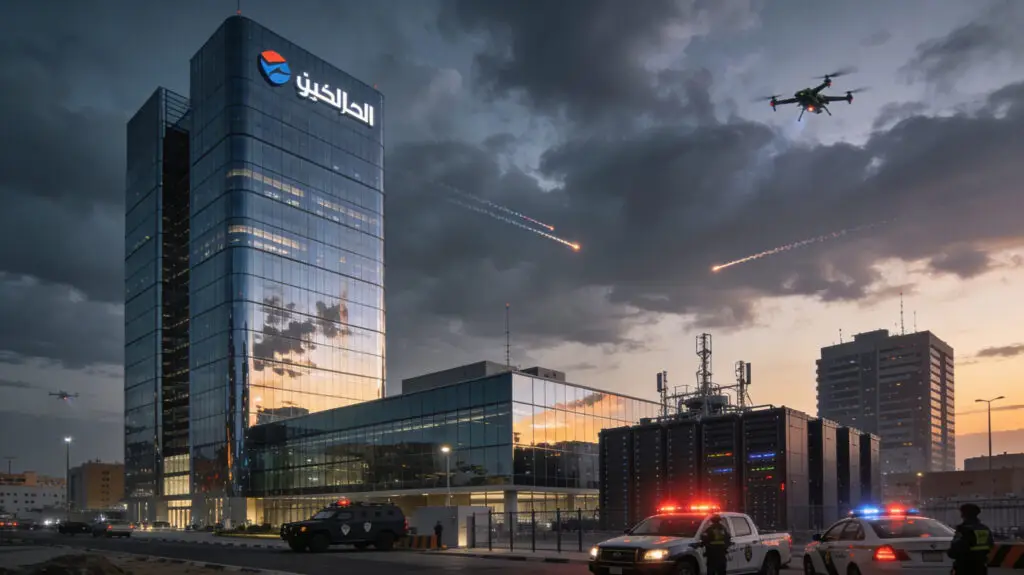
Iranian news outlets say that the offices of big tech companies could be attacked as the conflict grows. Reports say that a list of companies that work with military technology in the US and Israel has been made public. The list is said to name infrastructure linked to a number of well-known American tech companies.
Reports say that the companies listed are Google, Microsoft, Palantir, IBM, Nvidia, and Oracle. Many of these companies have offices in Israel and a few Gulf countries in the Middle East. Iranian sources said these places could be targets if the conflict in the area keeps getting worse.

Source: Al Jazeera
Offices Across Israel And Gulf Countries Highlighted
Many big tech companies have major regional headquarters and offices in the Middle East. Google has a big regional headquarters in Dubai that serves many markets in the area. Microsoft also has a big office in Abu Dhabi, which is in the United Arab Emirates.
Both companies also have offices in Israel that help with research, development, and technology operations in the region. These buildings are part of the huge global infrastructure that big American tech companies have built. If the fighting gets worse, some of these offices could be affected, according to reports.
Conflict Expands Into Economic And Infrastructure Targets
Iranian officials have said that the war could spread to targets other than the usual military ones. Statements suggest that businesses and infrastructure that are important to the US or Israel may become targets. This method shows that infrastructure warfare strategies are becoming more common.
Iranian sources said that as the conflict gets worse, the list of legitimate targets could grow. Experts say that these kinds of strategies could make the effects of regional violence much worse. There could be more security risks for civilian infrastructure and business operations.
Recommended Article: Social Media Ban Debate Grows As MPs Reject Under-16 Rule
Tehran Warns Banks Could Also Be Targeted
Iran has also said that banks that work with American or Israeli interests could be targets. Officials said that if tensions rise even more, banks and other financial institutions in the Middle East could be attacked. These warnings have made people worry about the region’s financial stability.
A spokesperson from the Iranian military warned about banks and economic centers. The statement told civilians to stay away from places near certain banks and other financial institutions. These kinds of warnings show that people are becoming more worried about attacks on economic infrastructure.
Reports Claim Tehran Bank Hit During Air Strikes
A bank in Tehran was struck by US and Israeli aircraft earlier, according to reports from Iranian media. According to reports, workers inside the facility were either murdered or injured in the incident. There has been no official confirmation of how many people were harmed.
The reported strike demonstrates how financial infrastructure can become embroiled in escalating crises. Banking systems and other financial operations can be disrupted by attacks on economic facilities. People are more concerned about the region’s economy becoming more unstable as a result of these kinds of incidents.
Iran Strikes Back At US Interests
After the coordinated attacks, Iran hit back by attacking American assets in the Middle East. Reports say that these counterstrikes were aimed at places linked to US military or strategic infrastructure. Some attacks also hurt countries that are friends with the US.
The rising number of strikes has made tensions in the area even worse. Because they are allies of the United States, other Gulf states have also gotten involved. Analysts say that the conflict could spread to other countries.
Strait Of Hormuz Blockade Raises Global Energy Concerns
The blockade of the Strait of Hormuz by Iran has caused a lot of worry in the world’s energy markets. The waterway is an important shipping route for oil and natural gas that is sent to other countries. A lot of the world’s energy supplies usually go through the strait.
Asian countries like China and India depend a lot on energy shipments from the Gulf region. Changes to shipping routes could have a big impact on global fuel prices and supply chains. As tensions stay high, governments and markets are still keeping a close eye on the situation.