


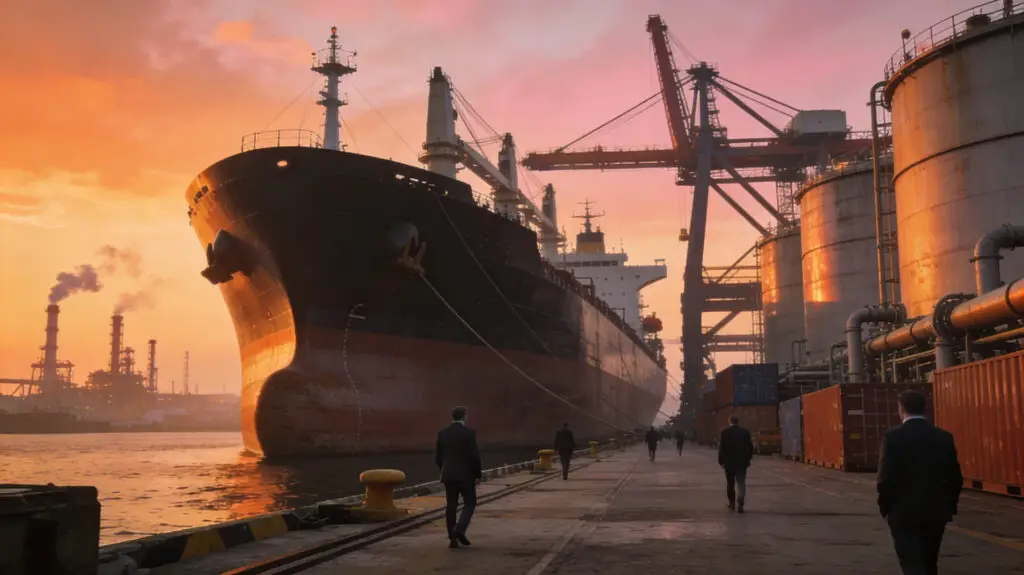
Global Economy Faces New Shock From Iran Conflict
The war between the US, Israel, and Iran is still going on, and it’s making the global economy even more uncertain. This fight comes at a time when trade problems and policy changes are already putting a strain on the markets. The situation makes the already weak global economy even more risky.
As the level of disruption continues to grow, businesses and governments are keeping a close eye on what happens. How long the conflict lasts and how bad the supply problems get will have a big impact on the economy’s stability. The uncertainty is having an effect on investment decisions all over the world.
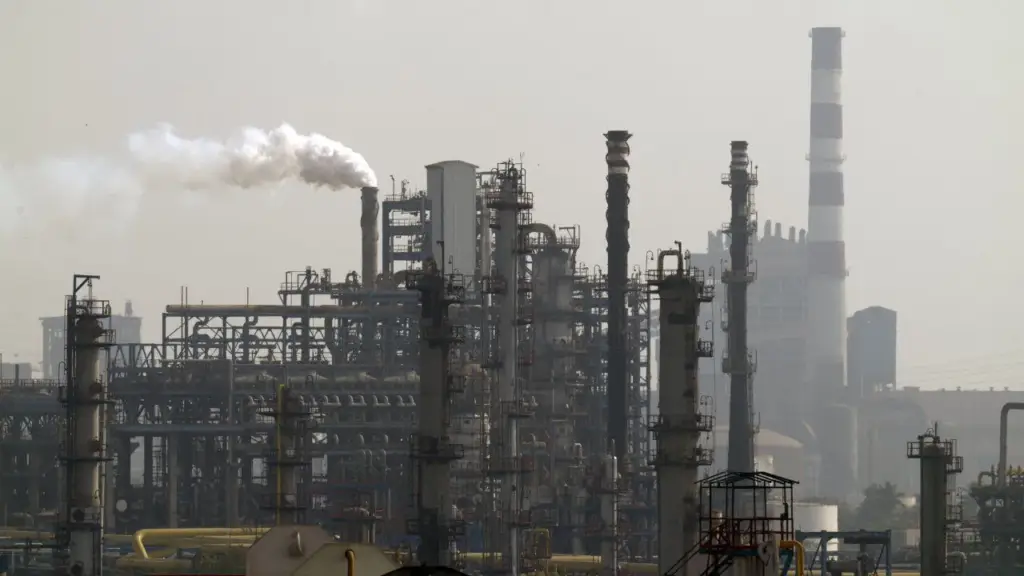
Source: The Economist
Rising Oil Prices Drive Inflation Concerns Globally
One of the most immediate effects of the war is that oil prices around the world have gone up because of worries about supply. Problems in and around the Strait of Hormuz have made people more worried about how much energy will be available in global markets. This has made transportation and fuel more expensive.
Inflation is likely to rise because of higher energy prices, which will raise the cost of goods and services in many economies. As fuel prices rise, they may affect the costs of goods and services for both consumers and businesses. The risks of inflation are becoming more clear.
Strait Of Hormuz Disruption Threatens Energy Supply
About 1-fifth of the world’s oil shipments go through the Strait of Hormuz, which is a very important route. The conflict has caused less traffic, which has had a big effect on global energy distribution and market expectations. This chokepoint is at the heart of today’s economic worries.
If disruptions last a long time, energy markets could run out of supplies and prices could go up a lot. This shows how sensitive global supply systems are to political events. Controlling this route has big effects on the economy.
Recommended Article: UK Inflation Remains Above Target Despite Slower Price Growth
Prolonged Conflict Could Slow Economic Growth
If energy prices keep going up, central banks may have to raise interest rates to keep inflation in check. Higher borrowing costs would probably cause people to spend less money, which would slow down economic growth in most major economies. This makes it hard to make policies.
It gets harder to find the right balance between keeping inflation in check and helping the economy grow when crises last a long time. Policymakers need to be very careful when they try to balance these different goals. The result will affect how well the world economy does.
Supply Chain Uncertainty Disrupts Global Trade
Shipping routes and logistics networks are being affected by the conflict, which is making global supply chains less certain. Trade between regions is getting harder because there are fewer ships and more risk. Businesses are having a hard time adjusting to new situations.
Uncertainty is a big problem because it makes it hard for businesses to plan their operations and handle risks well. Disruptions in the supply chain can cause delays, shortages, and higher costs. This has effects on businesses all over the world.
Asia And Europe Face Higher Economic Exposure
Asian and European countries are especially vulnerable to sudden increases in energy prices because they depend on imported oil and gas. Countries like India, Japan, and South Korea could see their costs for basic goods go up a lot. This puts more stress on the economy.
Energy prices are also going up in European markets, especially for liquefied natural gas. If problems keep happening, these areas may feel the most effects. The fact that the effects are not evenly spread out shows that there are differences between countries.
Future Outlook Depends On Duration Of Disruption
The long-term effects of the conflict will depend a lot on how long trade and energy supply problems last. Short-term interruptions might be okay, but long-term ones could have bigger effects on the economy. Markets are still very sensitive to changes.
If stability comes back quickly, the world economy might avoid big drops and bounce back from the shock. But a long-term conflict could make the risk of a recession and high inflation worse. The situation is still unclear and changing.