


Rising Energy Prices Threaten Global Recovery
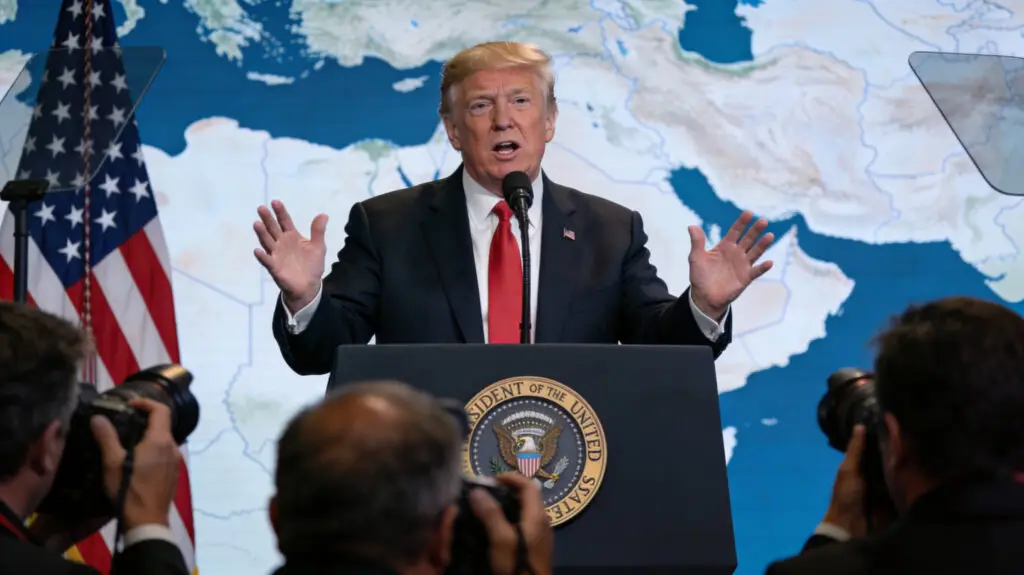
The growing conflict between Iran, the United States, and Israel is making global economists very worried. If the war disrupts energy supplies, analysts say it could cause a big inflation shock. The global economy could quickly feel the effects of higher oil and gas prices.
Central bankers say that the world economy was starting to get better before the fighting got worse. After years of pandemics and geopolitical tensions, the economy had been slowly getting better. A long war could now get in the way of those fragile hopes for recovery.
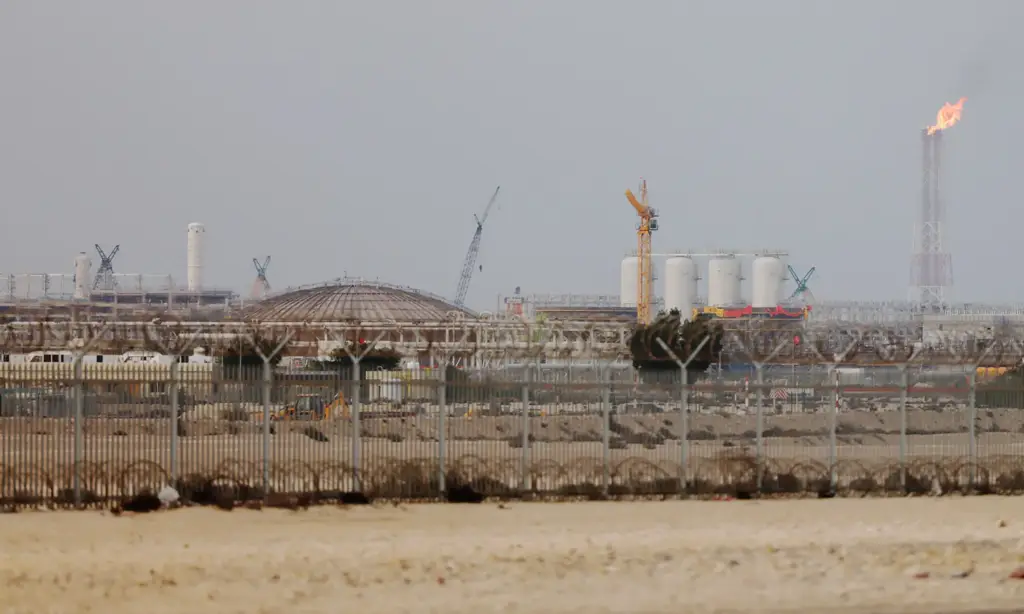
Source: Bloomberg.com
IMF Warns Energy Shock Could Raise Inflation
Kristalina Georgieva said that long-term rises in energy prices could have a big effect on inflation around the world. The International Monetary Fund says that if energy prices went up by 10% for 1 year, it could make inflation go up around the world.
This kind of rise could add about 0.4 percentage points to inflation around the world. It might also take about 0.1 to 0.2 percentage points longer for the economy to grow. Economists say that these numbers, even though they may seem small, could have a big effect on global economic forecasts.
Strait of Hormuz Remains Critical Oil Chokepoint
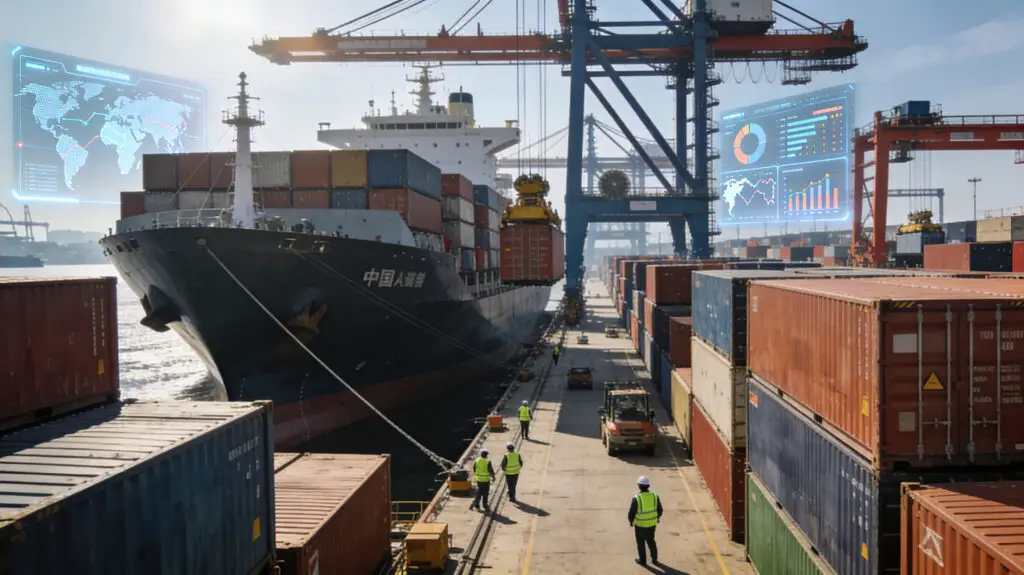
The strategic Strait of Hormuz is one of the most dangerous places for the economy. About 20% of the world’s oil supply goes through this narrow waterway. Any problems with shipping in the area could quickly cause oil prices to go up.
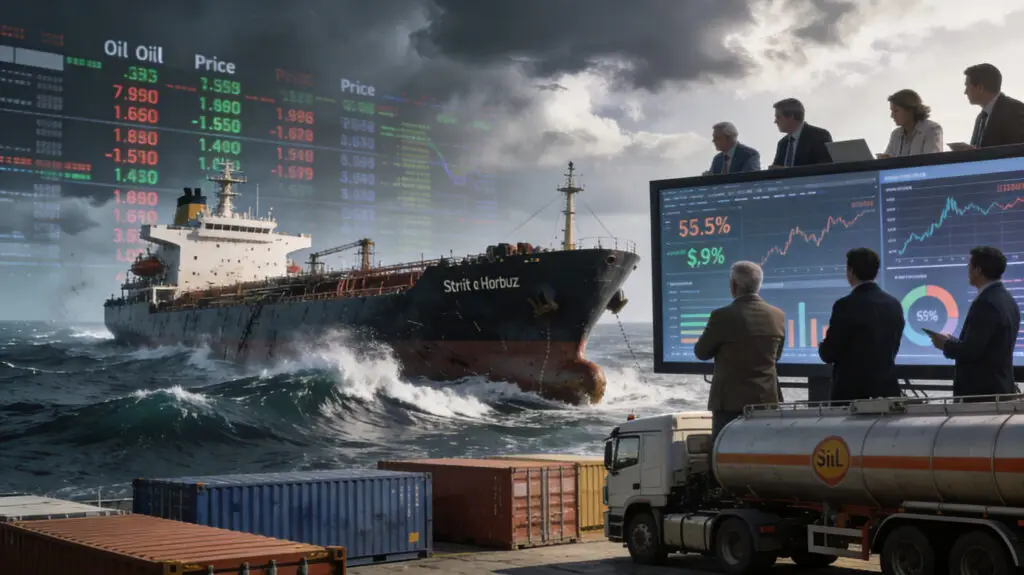
Models of the economy say that even a small drop in the amount of oil available around the world could cause big price increases. Analysts think that a 1% drop in supply could cause oil prices to go up by about 4%. If the strait stays closed for a long time, crude prices could go up a lot.
Recommended Article: Oil Surges To 2-Year High After Qatar Warning
Oil Prices Could Surge Toward $108 per Barrel
Bloomberg Economics says that a long-term disruption could cause oil prices to rise sharply. Prices could go up by as much as 80% if shipments through the Strait of Hormuz drop a lot. That would cause the price of crude oil to rise to about $108 per barrel.
These kinds of increases would make the cost of fuel, transportation, and manufacturing go up all over the world. Businesses would probably pass on a lot of these costs to customers by raising prices in stores. This could put more pressure on already weak economies to raise prices.
Europe Faces Greater Energy Vulnerability
If energy prices go up a lot, European economies may have to deal with more economic stress. A lot of countries in the eurozone still need to import oil and gas. Higher energy costs would probably slow down economic growth and raise inflation.
People from the European Central Bank have said that a long war could change how people think about inflation. Rising energy prices could have an impact on both current inflation rates and future economic predictions. Because of this, policymakers are keeping a close eye on the situation.
United States Economy May Be Partially Shielded
Domestic energy production could have a small effect on the US economy. Strong production from the American shale and fracking industries could make up for some of the bad effects of higher global oil prices. Higher costs for consumers could be partly offset by higher profits for energy companies.
But American families are already feeling the effects at gas stations. When crude oil prices go up by $1, fuel prices usually go up by about 2.5 cents. So, even small rises in the price of oil quickly lead to higher fuel costs.
Central Banks Face Difficult Policy Choices
The war makes it hard for central banks to keep inflation under control. Policymakers need to figure out if higher interest rates are needed because energy prices are going up. But making monetary policy stricter when the economy is weak could also slow growth even more.
Some economists say that raising interest rates wouldn’t help with a shock to the energy supply. Some people think that not acting quickly could make people think that inflation will go up. Because of this, central banks around the world are weighing the risks of inflation against the possible harm to economic growth.