


Strait Of Hormuz Disruption Shakes Global Energy Markets
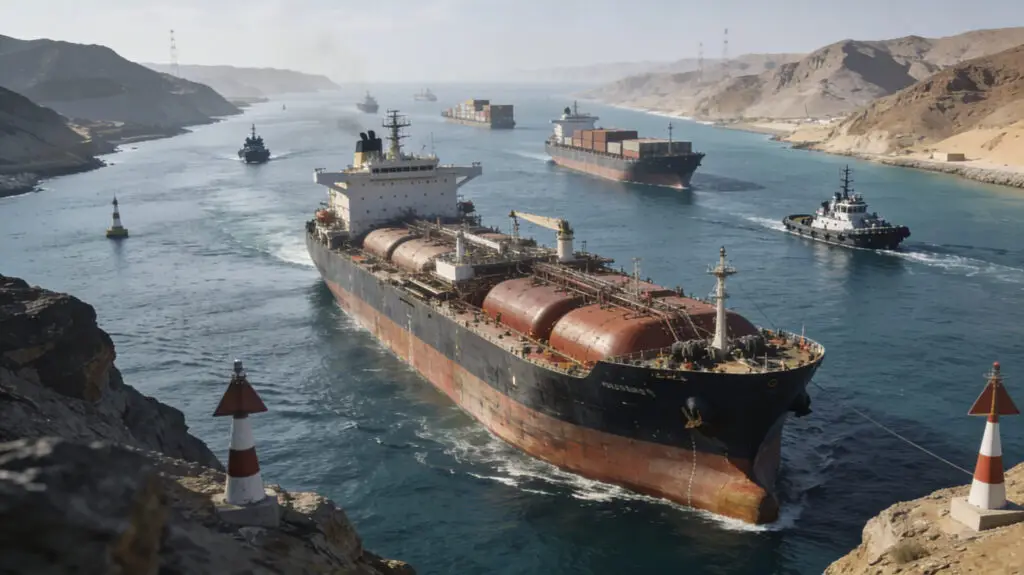
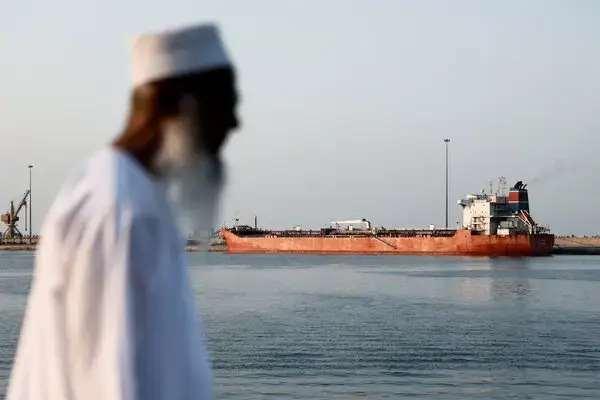
The conflict in Iran is making it very hard for ships to get through the Strait of Hormuz, which is a key route for global oil trade. This narrow waterway connects Gulf producers with international markets and carries about 20% of the world’s oil supply. When access becomes uncertain, global energy markets react quickly as traders expect supply shortages and rising geopolitical risks.
Energy experts say that if the disruption lasts for a long time, it could make oil supplies tighter and prices go up a lot around the world. The strait is important for moving oil from big exporters like Saudi Arabia, Iraq, Kuwait, and the United Arab Emirates. Financial markets and global energy trading systems can be shaken by even short-term closures or security threats.
Source: The New York Times
Oil Prices Rise As Geopolitical Tensions Rise
As tensions rose and tanker traffic through the Strait slowed, global crude oil prices shot up. Brent crude briefly rose above $100 per barrel as traders took into account the possibility of supply chain problems. Investors keep a close eye on geopolitical events because energy markets often react quickly to uncertainty caused by conflict.
Prices did go down a little later, but oil is still a lot more expensive than it was before the conflict got worse. Experts say that energy markets tend to react strongly to threats that could affect important transportation routes, like the Strait of Hormuz. Even if supply problems are only temporary, military tensions could keep prices rising.
Tanker Traffic Slows As Security Risks Increase
As military threats have grown, shipping companies have become more careful about sending oil tankers through the Strait of Hormuz. Iran has said that ships from countries involved in the conflict could be attacked in return. Shipping companies that move crude oil around the world are more worried about security because of these warnings.
To lower the risk of attacks near the waterway, many businesses have put off shipments or changed their routes. Less tanker traffic means less oil can get to international markets, which makes the global supply tighter. Shipping companies are hesitant, which makes oil prices and energy market expectations more volatile.
Recommended Article: Trump Job Claims Face Criticism Amid Weak Employment Data
U.S. Gasoline Prices Rise Despite Oil Fluctuations
Even though crude oil prices around the world are going up and down a lot, gas prices at the pump in the United States are still going up. The average price of gas in the US recently rose to about $3.54 per gallon. This is more than $0.50 more than it was when the conflict with Iran started earlier this year.
Because of the costs of refining and distributing oil, gas prices at the pump often take longer to drop when oil prices do. Analysts say that gas stations usually raise prices slowly after crude oil prices go up quickly. Because of this, people may still have to pay more for gas even if the global oil markets start to stabilize.
Seasonal Fuel Demand Adds Additional Price Pressure
Gas prices are also going up because of the weather. Warmer weather makes people travel and drive more. In the spring and summer, when more people travel by road, there is usually more demand for fuel. This seasonal rise in demand puts even more upward pressure on energy markets that are already very unstable.
Fuel makers are also making summer gasoline blends that are meant to stop evaporation in warmer weather. These special fuel mixtures need more complicated refining processes than regular winter gasoline. Drivers will have to pay more at the pump because of the extra costs of refining.
Markets Await Clarity On Hormuz Shipping Conditions
Changes in shipping activity in the Strait of Hormuz still have a big effect on energy markets. Traders are keeping a close eye on whether oil tankers start moving normally through the waterway again. Regular shipping traffic could help stabilize oil prices and give global energy investors back their trust.
But the reopening of the important trade route could be delayed because there is still uncertainty about military activity. Analysts say that markets may stay unstable until the security situation in the area becomes clearer. So, investors are keeping an eye on diplomatic and military events that could change their expectations about the supply of energy.
Conflict Developments Could Shape Future Oil Prices
Leaders in politics have said that the conflict might end soon, which has given the financial markets some cautious hope. Diplomatic signals that suggest a possible de-escalation can quickly change how investors feel and ease their worries about supply problems. Energy traders are still on the lookout for anything that could help ease tensions in the Strait of Hormuz.
Still, analysts warn that things may stay unclear until shipping traffic fully resumes through the waterway. Even small problems with this important oil corridor can have long-term effects on energy markets around the world. Oil prices are likely to stay unstable and sensitive to changes in the world until things settle down.