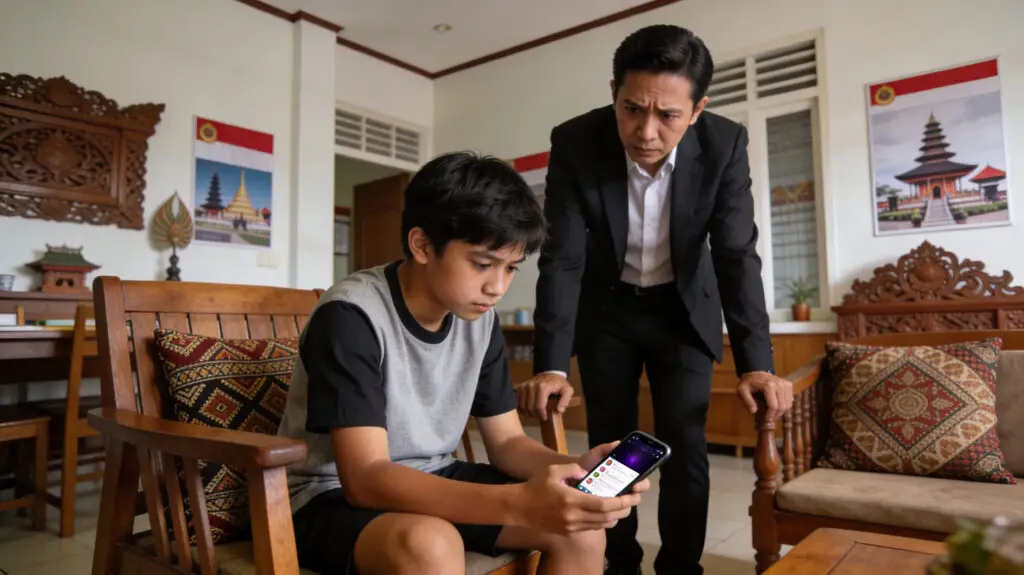
Government Says No Digital Access for People Under 18
Indonesia will deactivate social media accounts belonging to individuals under 16. The policy targets platforms considered highly risky for young users. Implementation is scheduled to begin on March 28.
Meutya Hafid stated that the regulation was designed to protect children. She emphasized that the measure aims to shield minors from digital harms. Officials said the decision is intended to support parents.
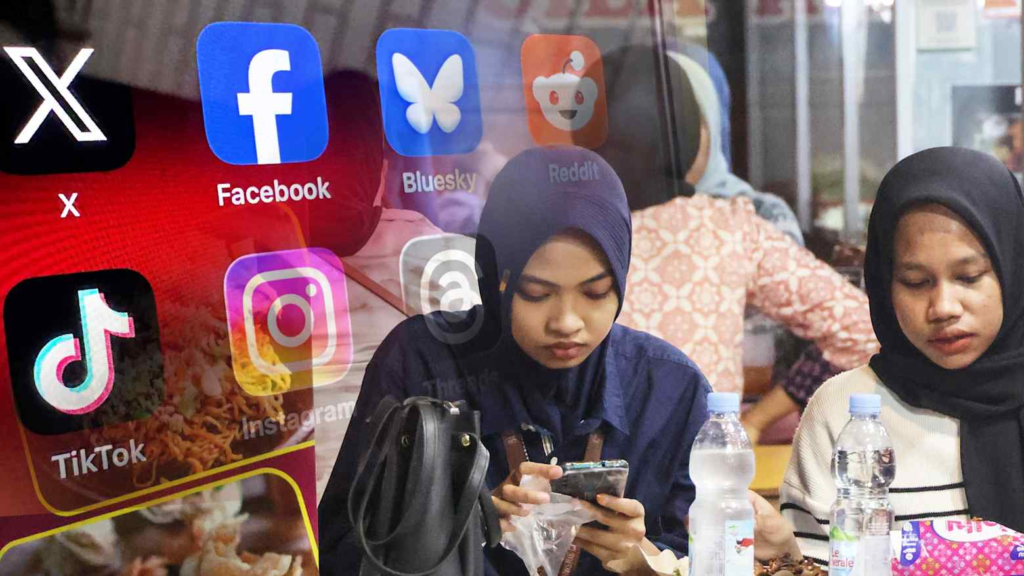
Source: Nikkei Asia
List of Major Platforms That Are Restricted
Affected platforms include YouTube, TikTok, Facebook, Instagram, Threads, X, Bigo Live, and Roblox. Authorities categorized these services as high-risk digital environments. The companies did not immediately respond to the announcement.
Officials argue that algorithm-driven systems increase children’s exposure to harmful material. Identified risks include pornography, cyberbullying, online scams, and digital addiction. The government maintains that regulatory intervention is necessary.
Parents Express Relief Over New Measures
Some parents welcomed the announcement as a protective step. Amanda Kusumo, a working mother, said the rule makes monitoring easier. She believes government involvement provides reassurance for families.
Her 17-year-old son expressed a more balanced perspective. He acknowledged that many young people struggle with responsible screen time management. However, he suggested that softer approaches might be more effective.
Recommended Article: Amazon Outage Disrupts UK Online Shopping for Thousands
Child Protection and Human Rights Concerns Raised
Indonesia’s child protection agency announced it would review the regulation before issuing formal comments. Advocacy groups raised concerns regarding implementation details. Questions remain about data privacy and proportionality.
Unicef reported that 50% of Indonesian children surveyed had encountered sexual content online. Policy researcher Nurul Izmi highlighted safety-by-design principles. She cautioned that regulations should not restrict children’s access to information.
Age Verification and Data Privacy Challenges
Implementing age verification systems requires collecting sensitive personal data. Critics warn that weak cybersecurity measures could compromise minors’ privacy. Ensuring compliance while maintaining proportional enforcement remains essential.
Age assurance technologies may incorrectly identify adults or fail to detect underage users. Similar concerns have emerged in other countries adopting digital restrictions. Technical feasibility continues to undergo evaluation.
Global Trend Toward Youth Digital Restrictions
Indonesia joins several countries tightening youth access to digital platforms. Australia recently mandated social media bans for users under 16. Spain and the UK are considering comparable measures.
International policymakers are closely observing enforcement outcomes. The debate centers on balancing child safety with freedom of expression. Indonesia’s policy represents a significant shift from Western regulatory models.
Expanded Controls Over Online Content in Indonesia
Indonesia previously restricted access to pornographic websites nationwide. Platforms such as Pornhub and OnlyFans were blocked. Authorities also limited access to the AI chatbot Grok.
These measures reflect a broader regulatory stance on digital ethics. Protecting youth from harmful exposure remains a top priority. The new social media restriction extends existing content control policies.