

Lee Hae-chan Dies During Official Visit to Vietnam
Lee Hae-chan, a former prime minister of South Korea, died on Sunday while on official business in Ho Chi Minh City. Authorities from both countries confirmed that he had a heart attack and got emergency medical care before he died. He was 73 years old and was on a trip as part of a bilateral advisory group.
Lee had come to Vietnam a few days before to go to meetings about projects that would help governments work together. The trip included meetings with Vietnamese officials and talks about regional diplomatic issues. His sudden death made it necessary for the Vietnamese and South Korean governments to work together right away.
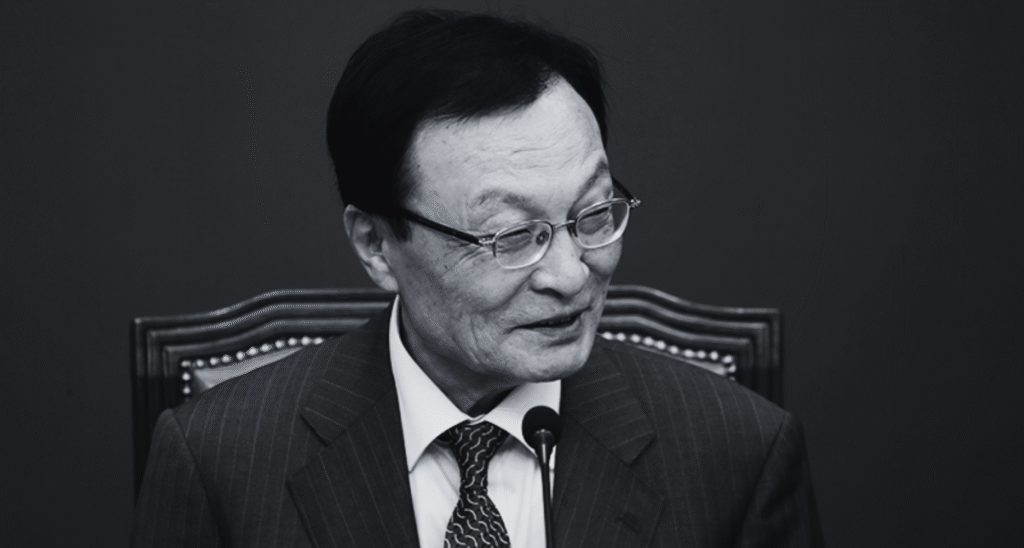
Source: NK News/Website
Veteran Politician Shaped South Korea’s Democratic Transition
Many people thought Lee Hae-chan was a key player in South Korea’s long fight for democracy. As a student activist in the 1970s, when authoritarian rule was in place, he started his political career by going to jail. That early activism made him more dedicated to civil liberties and changing institutions later on.
Lee became a powerful strategist in South Korea’s liberal political movement over the course of many years. He was a key player in the victories of several progressive presidents in elections. His career showed how South Korea’s modern democratic political system has changed over time.
Tenure As Prime Minister Marked Reform Efforts
From 2004 to 2006, Lee was the prime minister of South Korea. During his time in office, he worked on making the government more open and reforming the way it works, even though politics were very divided. He was known for being a strong leader and often getting into fights with lawmakers from the other party.
Supporters say that Lee helped modernize public institutions during a difficult time for reform. People who didn’t like him often thought he was combative, but they also knew he was good at politics. His time as prime minister still has an impact on policy debates today.
Recommended Article: Trump Remarks on NATO and War Talks Rattle Global Diplomacy
Role As A Strategist In Liberal Political Leadership
Lee was seen as the architect of liberal political strategy behind the scenes, even though he didn’t have an official job. Political experts say that he advised 4 progressive presidents, including the current one. His reputation as a tactician got him both respect and criticism from politicians in South Korea.
Lee stayed in power by being the head of the party and being on advisory councils. His strategic advice helped shape the messages of the campaign and the efforts to build coalitions. People who worked with him often said he was politically disciplined and intellectually rigorous.
Tributes Show The Legacy Of Democratic Service
Lee Jae Myung, the President of South Korea, called Lee a mentor in the country’s history of democracy. He praised Lee for always working to protect and spread democratic values, even when things were politically unstable. Other officials said similar things, stressing Lee’s importance in history.
Even people who didn’t like him politically agreed that he had an effect on the development of politics in the country. The conservative People Power Party said that his death marked the end of an important chapter. Praise came from people of all political views, showing how strong his influence still is.
Vietnamese Officials Send Their Condolences And Support
Vietnamese leaders, including Prime Minister Pham Minh Chinh, sent their condolences to Lee’s family and South Korea. The foreign ministry said that Vietnamese officials worked closely together to make sure he got the right medical care. Because of how bad his condition was, the efforts didn’t work.
The event brought attention to how important it is for diplomats to work together when dealing with foreign dignitaries in sensitive situations. Vietnam showed respect for Lee’s stature and work to improve cooperation in the region. The event showed how strong the 2 countries’ ties are with each other.
Last Public Role Was In Charge Of Korean Peninsula Issues
Lee was the civilian head of the Peaceful Unification Advisory Council when he died. The body gives advice to the South Korean government on policy issues related to North Korea and reunification. He had gone to Vietnam for meetings related to the council.
Lee’s last public service showed that he was still interested in national strategic issues. His death leaves a big hole in the advisory and political circles. His legacy is still linked to discussions about changing democracy and policy between North and South Korea.