


Foreign Investors Stage a Strong Return to Indian Markets
Foreign investors came back strong in October, bringing in Rs 14,610 crore after three months of steady outflows. This is a big change from earlier outflows, which showed that people throughout the world were wary about rising economies.
Analysts say that this resurgence is due to India’s strengthening GDP forecast, which is backed by strong corporate performance and a stable macroeconomy. The latest inflows show that foreign portfolio investors (FPIs) are becoming more hopeful.
Rate Cuts and Trade Optimism Boost Market Confidence
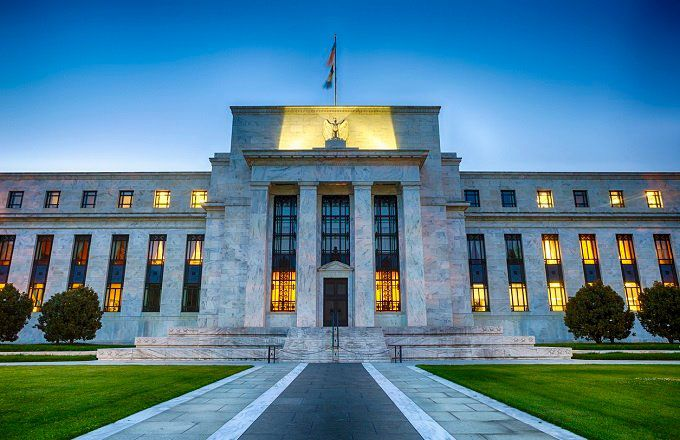
Experts in the market said that the U.S. Federal Reserve’s rate decrease made the global liquidity situation a lot better. Lower borrowing costs made it easier for money to flow back into development areas like India.
Investor mood also rose because people were becoming more hopeful about trade talks between the U.S. and India. The possibility of better collaboration between India and other countries made Indian stocks more appealing to investors throughout the world.
Source: Investopedia
Strong Corporate Earnings Drive Positive Market Sentiment
Corporate profits in important industries, including banking, technology, and manufacturing, stayed strong in the third quarter of September. This result showed that there was considerable demand at home and that the company was running well, even though there were problems across the world.
Experts said the findings showed that India’s economic narrative is still going strong. Institutional investors looking for long-term profits were drawn to the fact that the top companies were consistently making money.
Recommended Article: Berkshire Profits Jump 17% as Buffett Plans CEO Exit
Inflation Eases as Domestic Reforms Enhance Appeal
The perception of a steady economy was strengthened by falling inflation. India’s consumer inflation kept going down, which supports the idea that interest rates should go down in the future.
Reforms like making the GST more fair and making corporate processes easier have made foreign investors even more confident. These developments have made India look like a more stable place to invest.
Debt Market Activity Reflects Renewed FPI Confidence
In the debt market, foreign investors put in Rs 3,507 crore during October, which is below the usual limit. But they took out Rs 427 crore through the voluntary retention mechanism in the same month.
Analysts argued that this uneven level of involvement shows selective optimism. Some investors choose stocks because they offer superior returns, while others keep diversifying by investing in India’s fixed-income options.
Analysts Predict Continued Inflows and Market Support
Experts think that as long as things stay calm throughout the world, India will keep getting a lot of foreign investment. The favorable trend should last until early 2026, thanks to lower inflation and higher incomes.
They also said that the Indian market’s relative strength compared to other rising nations has made it a popular choice. FPIs are likely to keep buying as long as the fundamentals of the companies are good.
IPO Boom Encourages Broader Investor Participation
India’s booming IPO market is also attracting overseas investors to take part through primary share offerings. The high premiums paid for new issues show that people are becoming more confident in India’s long-term future.
Analysts noted that the excitement around IPOs shows how healthy the market is and how much people want to invest in things that will help them prosper. This climate is likely to maintain a lot of foreign investors in the market and help it stay stable.
Continued Growth and Investor Optimism in the Future
India’s economy seems like it will stay strong thanks to reforms, profits, and a good monetary policy. A stable economy and excited investors are signs of strong future growth.
Analysts think that FPIs will continue to be important as India looks forward to record growth in tourism, commerce, and investment in 2026. Their continued involvement boosts the world’s faith in India’s long-term economic path.