



Deadly Winter Storm Sweeps Across The United States
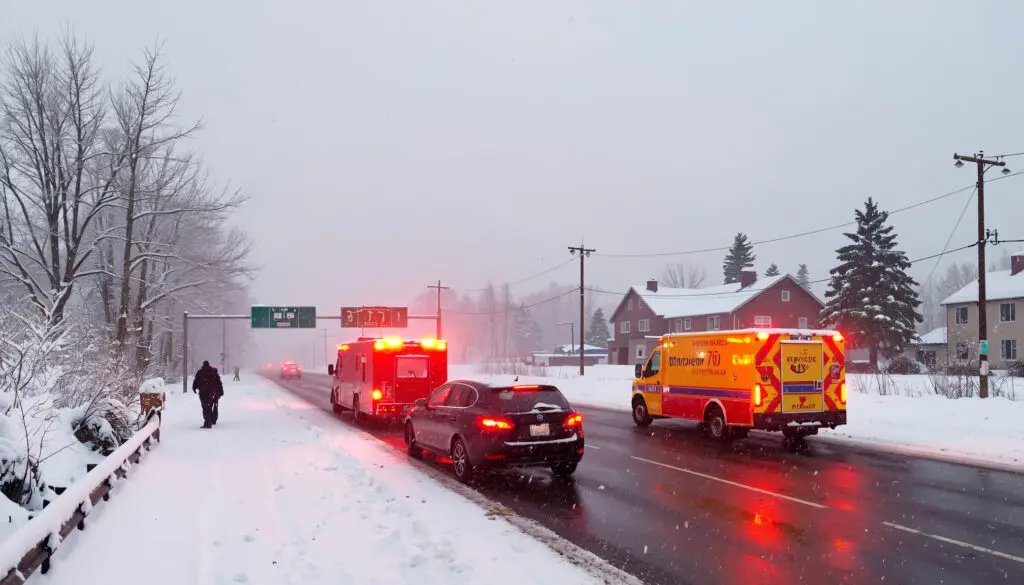
A strong winter storm hit the United States, bringing life-threatening cold, snow, ice, and major damage to infrastructure. Dangerous conditions affected large parts of the country, from southern states to New England. Officials warned people that going outside and traveling could be very dangerous.
At least 7 people died in several states as temperatures dropped well below what is normal for this time of year. People died from exposure as vulnerable groups fought against the cold for a long time. Emergency services had a lot of trouble responding because the roads were icy and the power was out.
Source: Arise News/Website
Power Outages Leave Hundreds Of Thousands In The Dark
The storm caused huge power outages that affected more than 800,000 homes across the country. Utility companies said that ice buildup and fallen trees had damaged their lines. Persistent freezing temperatures and snowfall made it harder to restore things.
Longer power outages made things riskier for older people and people who needed medical equipment. Local governments set up warming centers to cut down on injuries caused by being outside too long. Officials told people to save energy where they could still get electricity.
Travel Problems Bring Roads And Air Traffic To A Standstill
As freezing rain and heavy snow covered highways and city streets, the roads quickly got worse. Officials said that there were hundreds of car accidents in a number of states. Transportation officials told drivers to stay off the roads unless they had to travel.
More than 11,000 flights were canceled across the country, making air travel very difficult. Airports had a hard time deicing planes because it kept raining. Passengers had to wait longer because airlines changed their schedules for safety reasons.
Recommended Article: UK Weather Warnings Issued as Storm Ingrid Brings Heavy Rain
Southern States Face Unusual And Dangerous Cold
Some of the worst effects were felt in states that are not used to very cold winter weather. Temperatures in Texas, Louisiana, and Tennessee were much lower than normal for this time of year. Infrastructure in these areas did not hold up as well to long periods of freezing weather.
Officials said that ice buildup was more dangerous than snowfall in the southern parts of the country. Power lines that had fallen and roads that were blocked made it even harder for emergency responders to get to where they were needed. People were told to stay inside and not move around unless they had to.
Emergency Declarations Are Spreading Across The Country
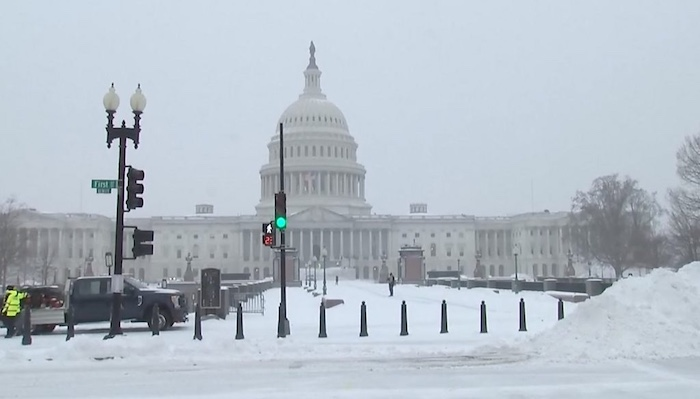
As the storm got worse, almost half of the states in the US declared emergencies. State governments closed schools, put legislative sessions on hold, and got emergency resources ready. During the crisis, local leaders put public safety ahead of business.
Governors said that the storm was one of the coldest and most disruptive in a long time. Emergency declarations made it possible to send aid and federal help more quickly. Public messages were mostly about reducing exposure and keeping essential services running.
Polar Vortex Drives Extreme Weather Conditions
Meteorologists said that the storm was caused by a weakened polar vortex that let Arctic air move south. This change made cold air hit warmer systems in the south, which made strong storm fronts. The weather that followed brought snow, sleet, and freezing rain to large areas.
Experts said that problems with the polar vortex can cause long periods of cold weather. Even after the snow stops, the cold air is likely to stay around. This makes it take longer to recover and raises the risks to public health and infrastructure.
Climate Concerns Surround Increasing Storm Severity
Some scientists say that climate change may change how the polar vortex works by warming the oceans. Changes in the patterns of the atmosphere could make extreme winter events happen more often. This storm has brought up the issue of climate resilience and infrastructure readiness again.
Officials warned that the dangerously cold weather could last until early February. Residents were told to keep an eye on the weather and follow emergency instructions. Long-term recovery will depend on the weather getting better and people working together to help.