


Davos Shows How the Gap Between Capital and Society Is Growing
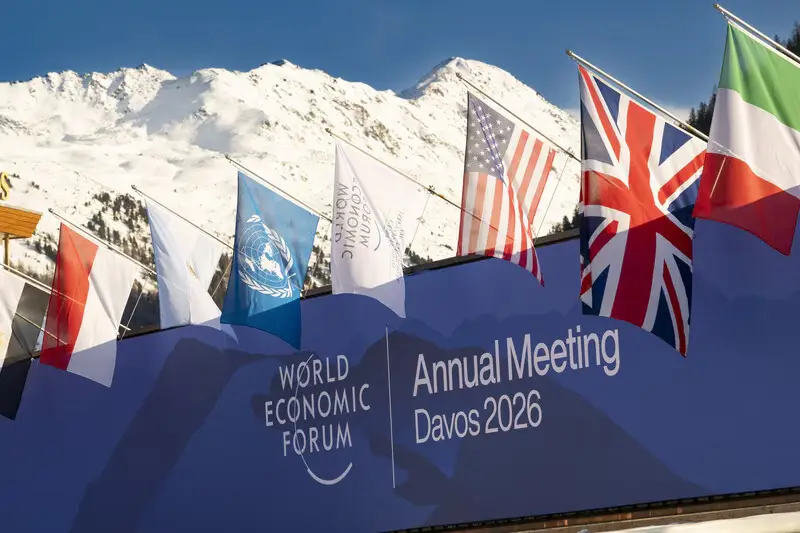
The World Economic Forum used to promote sustainability, but now it stands for the concentration of wealth and political power among a small group of people. People are protesting in Davos because they are angry that global systems put making money ahead of keeping society stable and being responsible for the environment.
Before the forum, protesters came together to speak out against the power of the elite and corporations that aren’t held accountable. Their presence made it clear that economic problems have gotten worse, not better, since the first anti-globalization movements.
Source: WEF/Website
Trump’s Transactional Capitalism Accelerates Structural Shift
Donald Trump has pushed for a transactional view of the world that values power, leverage, and deregulation over multilateral economic cooperation. This way of thinking is very different from the sustainability stories that were popular at Davos in the past.
Markets are giving more and more value to short-term gains that come from AI and less government control. When making investment decisions, social and environmental factors are less important now.
Stakeholder Capitalism Loses Credibility Among Investors
Klaus Schwab’s idea of stakeholder capitalism seems to be getting further and further away from how the market works and how politics works. Investors are less likely to want to invest in companies that promise to be inclusive and take action on climate change.
Companies that focus on ESG are having a harder time in the market because of political opposition to sustainability frameworks. Investors care more about making money than doing the right thing for society in the long run.
Recommended Article: UBS Predicts Global Economic Rebound in 2026 as Tariffs Ease
ESG Principles Undermined By Political And Market Pressure
Swiss investment advisors say that sustainability metrics don’t always get rewards in the market anymore. Attacks on ESG frameworks go against the basic rights of shareholders in modern capitalism.
People who don’t like capitalism say that not taking ethics into account when making investment decisions makes it less legitimate. Markets could hurt trust by making it harder to make decisions that everyone can agree on.
Inequality And Bureaucracy Deepen Economic Discontent
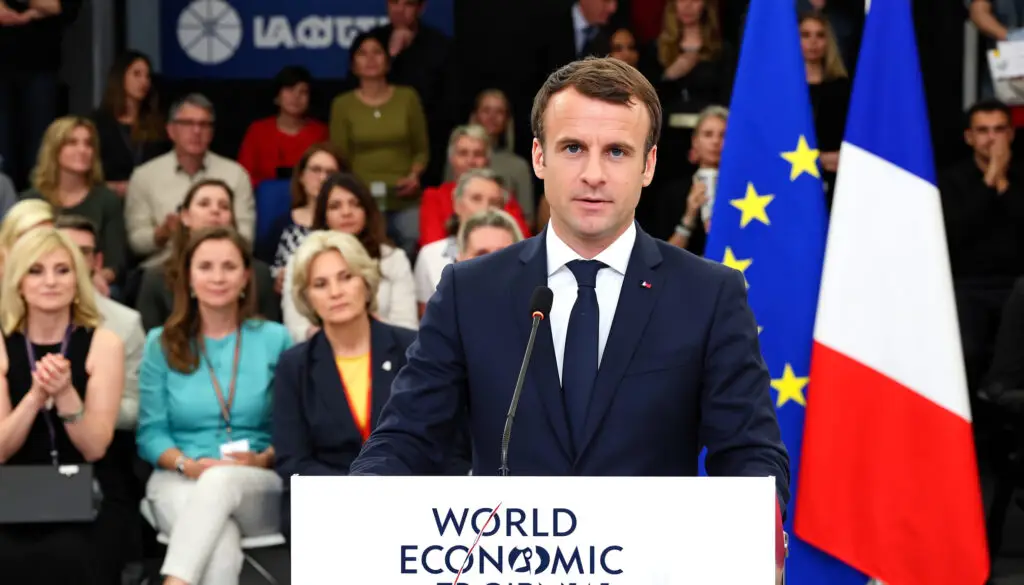
Emmanuel Macron got a lot of criticism when his climate policies didn’t include ways to redistribute wealth. The episode showed how hard it is to balance environmental reform with social justice.
In Europe, bureaucracy often slows down change, while the concentration of wealth speeds it up in other places. These dynamics make people angry with both political and economic systems.
Digital Capitalism Indicates the Rise of Techno-Feudalism
Economists say that capitalism is entering a new stage, one that is shaped by AI and platform dominance. Power is moving more and more to places where technology, politics, and business interests all meet.
Elon Musk is a good example of this concentration because of his unprecedented pay and power as a CEO. These kinds of changes make arguments about fairness and responsibility even more heated.
Crisis Could Be What Changes the Economy
History shows that big changes in the economy or politics often lead to changes in the system. Intellectual debates seldom yield reform without concomitant disruption.
Analysts say that the results could either strengthen or weaken social cohesion. The next step in the evolution of capitalism is still up in the air, but more and more people are disagreeing about it.