Nvidia CEO Highlights China’s Strategic Advantage in Open-Source AI
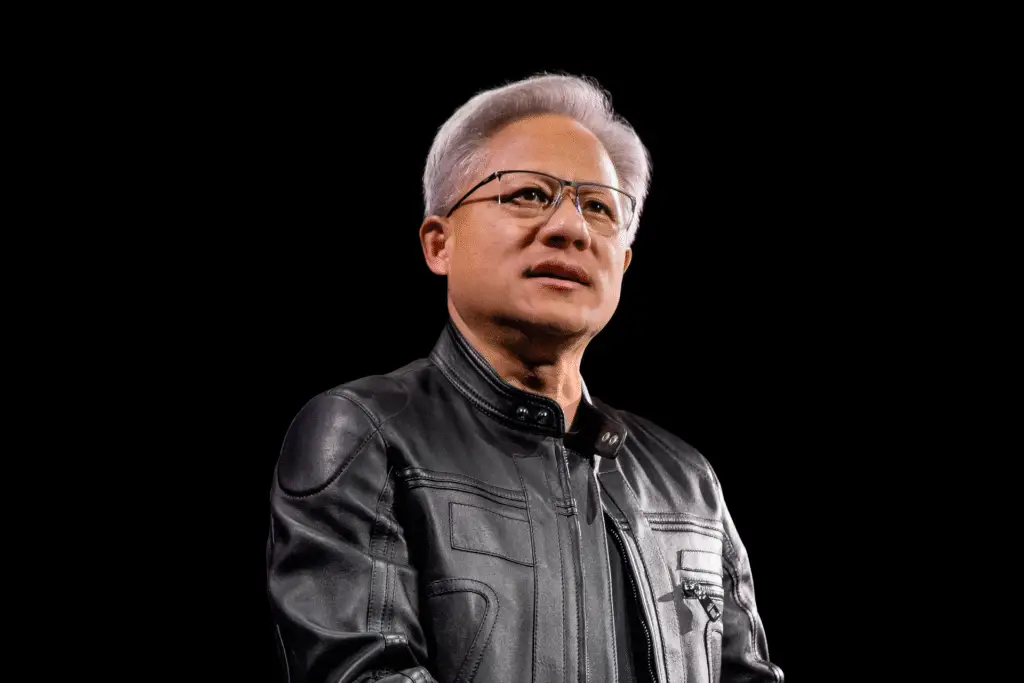
Jensen Huang, the CEO of Nvidia, said that China’s dedication to open source provides them a big advantage in AI. He said that China’s collaborative culture leads to speedier innovation, even if the US is ahead in semiconductor technology.
Huang says that there are more than 1.4 million AI models in the world, and most of them are open source. This framework speeds up the growth of startups and the discovery of new scientific knowledge in China’s AI ecosystem.
Open-Source Innovation Strengthens China’s Global AI Dominance
Huang said that open-source ecosystems like Linux, Kubernetes, and PyTorch are the most important parts of current AI development. China’s readiness to use and improve these frameworks makes it a leader in new technology.
He also said that open cooperation speeds up experimentation, which helps colleges and research institutes make discoveries faster than in closed contexts. This paradigm gives all industries the potential to move forward together.
United States Faces Lag in AI Collaboration and Openness
The head of Nvidia said that the US makes some of the best models in the world, but its methodology is still rather limited. Many private businesses don’t let anyone see their code, data, and AI frameworks.
Compared to China’s open-source drive, this restricted culture slows down new ideas. Huang said that sharing more will make the US more competitive and strengthen its position as a worldwide leader in technology.
Recommended Article: Nvidia Earnings Ease AI Bubble Fears But Doubts Persist
How Energy Affects AI and Manufacturing Skills
Huang stressed that China’s energy production is double that of the US, even though its economy is smaller. He argued that this mismatch makes it harder for American businesses to grow.
Manufacturing, making chips, and running AI data centers all need a lot of energy. The US might lose its edge in growing new sectors if its infrastructure isn’t better.
Bringing Back Manufacturing Strength to the US
The CEO said that America’s decades-long history of moving jobs overseas had hurt its industrial foundation. He said that to keep innovation going, we need to restore our manufacturing and energy production.
Huang said that real technical advancement hinges on the ability to make things locally. For the economy to be strong, it is important to bring manufacturers back home and support talented workers.
The Industrial Consequences of Open Technology and Collaboration
Huang said that open-source cooperation is the most important part of any industrial revolution. The earliest societies to accept technology have a lasting impact on science and the economy.
He stressed that how people feel about sharing and being open affects how quickly new ideas come up. He claimed that open systems promote competitiveness, efficiency, and creativity throughout the computer sector.
China’s Manufacturing Power Reinforces Its AI Leadership
Huang agreed that China has the best production capability, but the US is still better at designing chips. He warned against becoming too comfortable and said that long-term success depends on production power.
China’s use of AI in manufacturing makes sure that it stays on top. It is a strong worldwide competitor in the modern technological age because it can grow quickly.
A Call for Balance Between Innovation and Infrastructure
Huang came to the conclusion that America had to find a balance between innovation, energy, and manufacturing in order to stay competitive. Without coordinated development, it might lose a lot of its technological edge.
He told policymakers to see open-source collaboration as both a chance and a need. He said that for development to be long-lasting, innovation, industry, and national strategy all need to work together.