

Military Order Breaks Up Parties and Takes Political Property
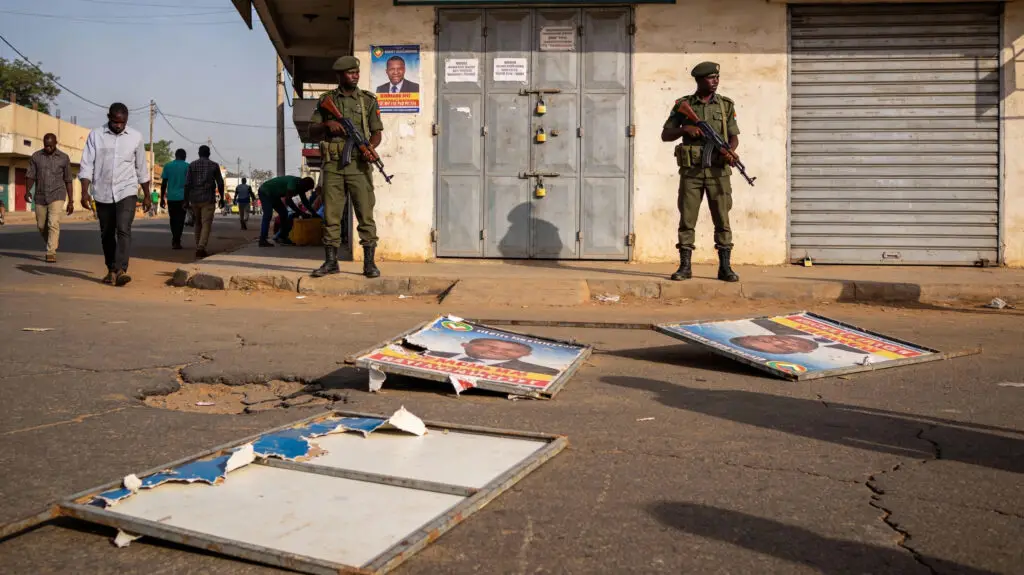
The military government of Burkina Faso made a law that ended all political parties and took their property across the country. The move came after years of being on hold and accused parties of breaking the rules that govern their legal status. Officials said the choice was necessary to fix the state after the multiparty system broke down.
The decree got rid of laws that set up political parties, which is one of the biggest political resets since the last coup. Experts say that this move is a big step back for democratic participation in the West African country. Rights groups say that the dissolution makes the ruling military leadership structure even more powerful today.
Source: AL Jazeera/Website
Security Crisis Shapes Military Rule and Political Decisions
Burkina Faso is still having trouble with violence from armed groups connected to ISIL and al-Qaeda in many areas. A lot of the country’s land is still up for grabs, which makes civilians less safe and the government less powerful. People have used the security crisis as an excuse for extreme political and legal actions over and over again.
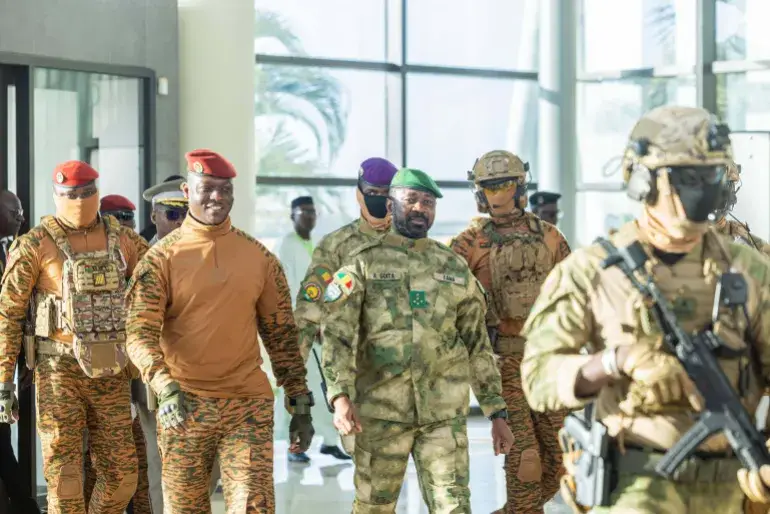
In September 2022, Captain Ibrahim Traore took over after a series of military coups made civilian government unstable. He promised to bring back safety and put an end to the extremist violence that is threatening communities across the country. However, attacks have become more common, which makes people question how effective long-term military rule is.
Rise of Traore and Pan-African Popularity Online
Even though people have said bad things about him, Traore has built a large following among pan-African people on social media. Supporters often compare him to Thomas Sankara, a revolutionary leader, because they both talk a lot about anti-colonialism and sovereignty. AI-generated videos of high quality have spread his image far beyond the borders of Burkina Faso.
Analysts have raised concerns about authoritarian governance trends, which is very different from this popularity. People who watch say that online praise hides the military leadership’s growing control over institutions. The gap between what people say and what they actually do is getting bigger all over the country.
Recommended Article: Myanmar’s Military Election Deepens Political Crisis
Judiciary Control Raises Concerns About Power Concentration
The most recent changes to the constitution put Burkina Faso’s courts directly under the control of the government. Analysts say this move weakens the checks and balances that are necessary for democratic accountability. Courts don’t have as much independence from the military’s executive branch as they used to.
According to security experts, these changes will keep the military powerful in all areas of government. Critics say that judges can’t be held accountable when they answer directly to the people in charge. These kinds of arrangements make it more likely that authoritarianism will last for a long time.
History of Parties and Postponed Electoral Promises
Burkina Faso had more than 100 registered political parties across the country before the coup in 2022. After the 2020 general elections, there were 15 parties in parliament. Protests against insecurity that spread across the country eventually brought down the civilian government.
Traore first said there would be elections by 2024 because of pressure from ECOWAS partners in the region. But a national conference that was boycotted pushed the elections back to 2029. Long before the official order to dissolve the party, political activities had already been limited.
Regional Realignment and More Violent Armed Conflicts
Burkina Faso, Mali, and Niger all left ECOWAS to join the Alliance of Sahel States. The group broke off ties with France and instead asked Russia for help with security. As new alliances changed the way security worked in the region, thousands of French troops were sent home.
Even though things have changed, violence has gone up a lot in the Sahel region. Since Traore took over, the number of deaths has tripled, mostly among civilians. Armed groups keep taking land, and military operations are having a hard time turning the tide.
Shrinking Civic Space and Rights Group Warnings
Since the coup, rights groups have said that the government has been stifling dissent and limiting media freedoms. The government ordered that international news sites and human rights websites be blocked. Journalists, judges, and critics have been forced to join the military or put in jail.
Several opposition leaders are still missing, which makes people more worried about forced disappearances. Rights groups say these actions show that the government is cracking down on free speech more quickly. The end of political parties is another step toward closing off democratic space.