

Political Detentions Contrast With Bhutan’s Story Of Happiness
Bhutan talks about Gross National Happiness around the world, but it hides long-term political detentions in harsh prison conditions. The main goal of these detentions is to silence people from minority Nepali-speaking communities who are thought to be against the government. Bhutan’s image is very different from the reality of human rights inside the country, as shown by decades-long imprisonment.
Because Bhutan is secretive and independent monitors cannot get in, international scrutiny is still limited. Politicians rarely talk about political prisoners in public or give clear information about the conditions in which they are held. This silence lets systemic abuse go on without real accountability or efforts to change things.
Death Of Long Term Prisoner Raises Concerns
The death of Sha Bahadur Gurung shows how dangerous it is for older political prisoners to be in Bhutanese custody. He spent thirty-five years in prison for allegedly taking part in protests for minority rights as a soldier. His long time in prison without parole shows how harshly people who are seen as dissenting are treated.
Gurung is said to have died while getting medical care, which raises concerns about how easy it is for detainees to get medical care. Families and advocates are unsure if he got the right medical care in a timely manner while he was sick. Officials have not said anything publicly about the circumstances of his death or the conditions of his detention.
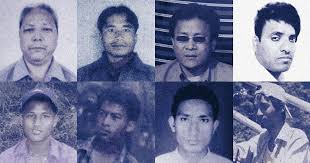
Source: Human Rights Watch/Website
Long Term Imprisonment Without Fair Process
During the unrest of the early 1990s, a lot of political prisoners were arrested and never let go. They were accused of threatening national security by peacefully protesting for the rights of minorities. Reports say that the legal process included torture, no access to a lawyer, and life sentences with no chance of parole.
These kinds of actions go against international human rights standards for fair trials and sentences that fit the crime. Life imprisonment without review takes away hope and makes detainees’ mental health worse. Long sentences seem to be meant to stop people from speaking out, not to bring about justice.
Recommended Article: Carney China Visit Signals Major Shift in Canada Trade Strategy
Harsh Conditions Inside Bhutanese Prisons
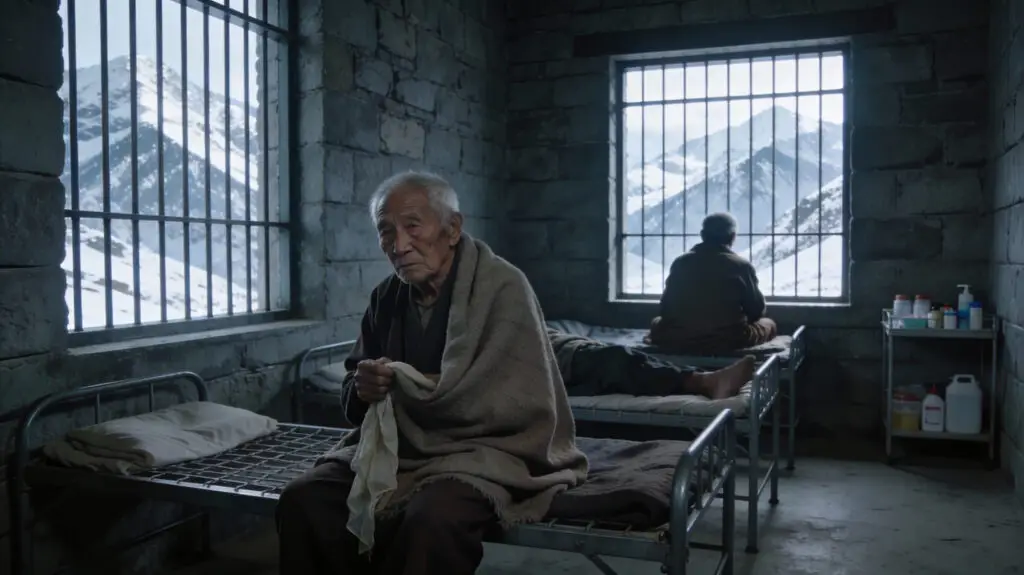
Reports say that political prisoners have to deal with terrible living conditions, such as not having enough food, clothes, or bedding for the winter. Because Bhutan is cold and the prisons are far away, these conditions are even more dangerous. Access to healthcare is limited and often depends on whether or not prisoners can pay.
Families are said to have to pay prison officials to get basic medicines. Many prisoners have chronic illnesses that go untreated for long periods of time, which makes their overall health worse. These conditions significantly elevate mortality risks for aging and vulnerable detainees.
Minority Groups Are Targeted More Than Others
Most of the political prisoners in Bhutan are members of the Nepali-speaking minority community, which the government has historically treated unfairly. After protests calling for citizenship rights, cultural recognition, and political inclusion in Bhutan, people were arrested. They have been in jail for decades with little public attention.
Special prison wings call detainees anti-nationals, which adds to the stigma and makes it acceptable to keep them isolated. These labels make it even harder for family members to visit and get legal help. Systemic discrimination seems to be a big part of why these people are still in jail.
Complete Royal Control Over Clemency Choices
Bhutanese law says that only the king can change life sentences or let prisoners go. Families say they are being told not to ask for clemency even though prisoners’ health is getting worse. This centralization of power makes it harder to get legal help and makes long-term detention more common.
Calls for compassion stress humanitarian concerns over political opposition to the monarchy. By looking into the cases of sick and elderly prisoners, authorities could lessen their suffering. Letting detainees go would show that the country really cares about justice and peace.
International Silence Lets Abuses Go On
The world’s focus on Bhutan’s happiness model often hides the serious human rights problems in its prisons. Authorities can avoid scrutiny and accountability for political detentions because there is not much diplomatic pressure. Human rights groups want people to keep paying attention to the conditions of detainees and the need for legal changes.
For real change to happen, there needs to be openness, independent monitoring, and a willingness to deal with past wrongs. International actors should strike a balance between commendation and principled involvement regarding human rights obligations. Bhutan’s reputation and moral standing in the world depend on how well it treats prisoners.