


Tarique Rahman Comes Out After a Historic Change in Elections
Tarique Rahman is about to become the next prime minister of Bangladesh, even though he has never held an executive office before this important win. His rise comes after a shocking political change that ended Sheikh Hasina’s long reign after years of elections that were becoming more and more contested.
The Bangladesh Nationalist Party came back from a time of political decline, thanks to voters’ anger and calls for more accountable government across the country. Experts say that Rahman’s status as an outsider could either lead to change or show weaknesses in institutions that are still recovering from political upheaval.
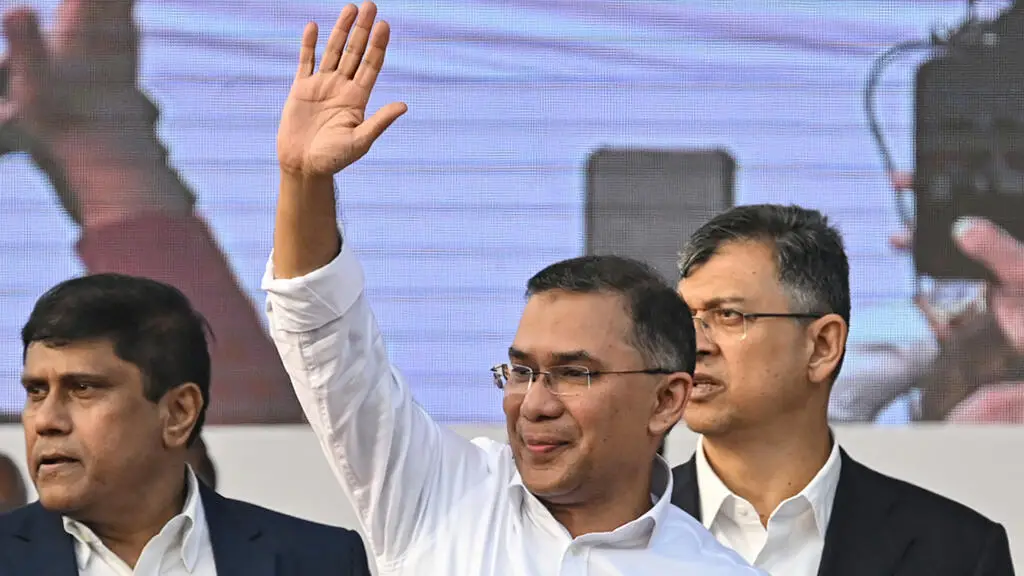
Source: France 24/Website
Legacy Politics Shapes Rahman’s Leadership Image
Rahman comes from a strong political family. His parents, Khaleda Zia and Ziaur Rahman, were both important figures in Bangladesh. Their power helped define the party’s identity, but it also led to accusations of dynastic politics that critics still make.
Rahman came back to London after living there for 17 years, just before his mother’s death. This showed that he was once again interested in politics at home. Supporters say that his long absence has given him time to get away from past problems, while opponents question whether his time abroad has made him ready for the job.
Youth Voters Drive Demand For Genuine Change
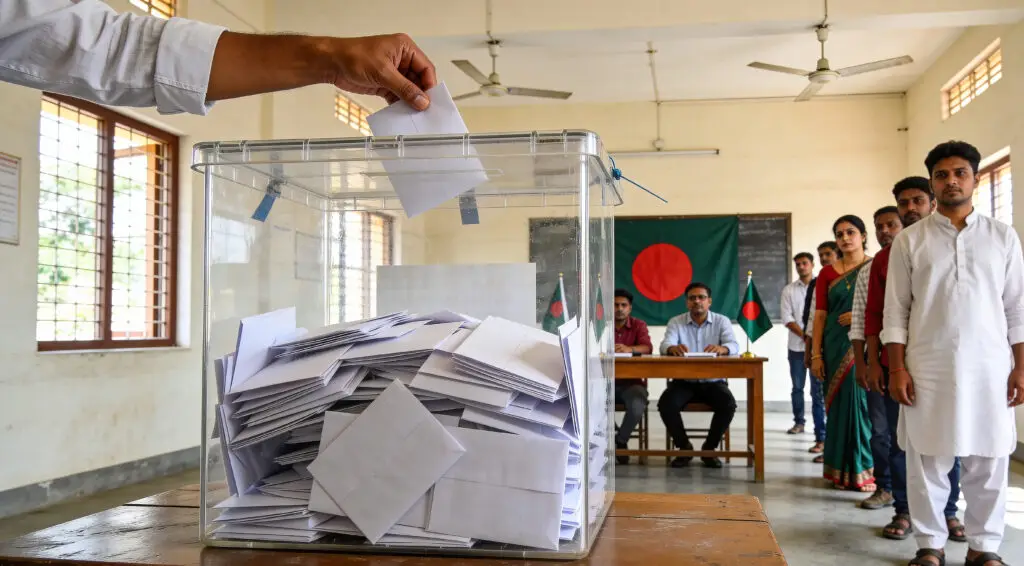
Young voters who helped bring down the last government during the 2024 uprising want real changes, not just symbolic ones. A lot of people think this election will be a turning point toward more openness, a stronger economy, and less corruption in public institutions.
First-time voters stress unity and opportunity, saying they will fight against any return to authoritarianism that has been seen before. Their political awakening means that future governments may have to deal with more pressure to be accountable from a generation that won’t put up with democratic backsliding.
Recommended Article: Bangladesh Bids Farewell to Khaleda Zia Amid National Mourning
Restoring Democratic Institutions Tops Government Agenda
Senior BNP leaders say that the administration’s top priority will be to rebuild the democratic and financial institutions that have gotten weaker over the past 10 years. People think that rebuilding trust in government is important for bringing in investment and making Bangladesh’s economy more stable.
But Bangladesh’s political history shows that promises of reform often fade once parties gain power, which makes people doubt them. To convince people that this change is more than just another political cycle, Rahman needs to show early progress.
Security And Economic Pressures Test New Administration
Violence during the interim period showed how weak the security situation was and how much work the new government would have to do. Quickly restoring law and order will be very important for keeping the public’s trust and stopping more instability across the country.
Policymakers need to do something about rising prices, unemployment, and inflation, or else they could threaten social cohesion. Economists say that if there aren’t specific plans for creating jobs and economic growth, public optimism could fade quickly, even if people are excited about the elections.
Fragmented Parliament Signals Complex Governance Challenges
There are a lot of new lawmakers in the new parliament, which shows that politics is changing and the institutions are not sure what to do in Bangladesh’s legislative landscape. Coalition dynamics may make it harder to make decisions because new parties are trying to turn activism into good government.
The Islamist party Jamaat-e-Islami got a lot of votes, which makes people wonder what its long-term political goals are, even though the campaign was toned down. People who watch the coalition closely say that ideological tensions could come up later, which would test the group’s unity and ability to pass laws.
Debate Over Women’s Representation Shows Need for Reform
Women are still not well represented among candidates, which has led to criticism that parties failed to turn grassroots activism into parliamentary representation. Supporters say that meaningful inclusion is necessary to create a truly representative democratic system.
Lawmakers are under more and more pressure to quickly nominate qualified female leaders because there are 50 reserved parliamentary seats that are given out based on population. Increasing participation could make institutions more legitimate and show a commitment to equality during this important political transition.