


Woohoo Brings AI-Powered Dining to Downtown Dubai
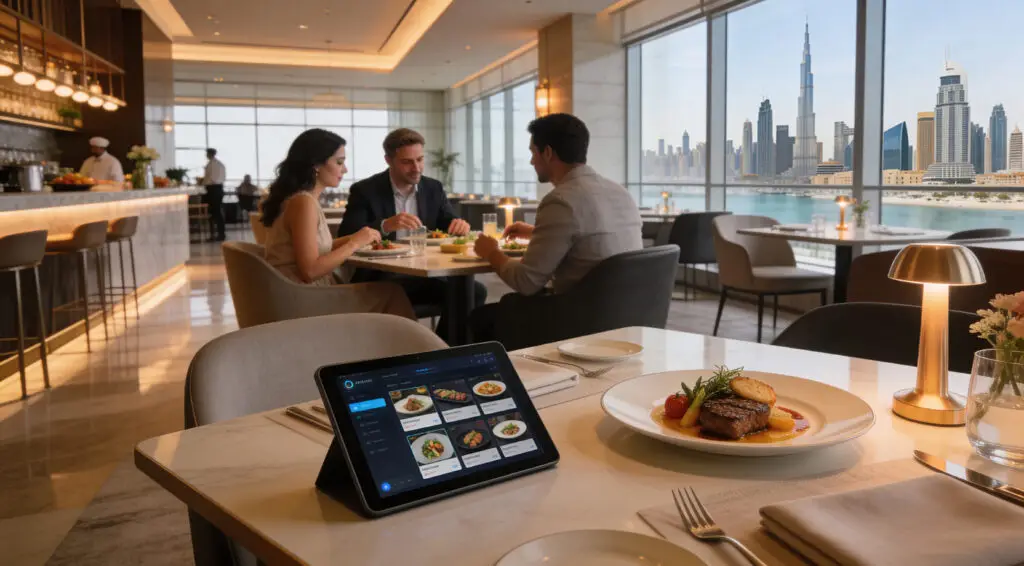
Dubai’s hospitality scene is changing quickly, and Woohoo is a new place that uses artificial intelligence to run its operations. The restaurant is in Downtown Dubai, and AI persona Chef Aiman is in charge of making the audiovisual storytelling and atmosphere. The system doesn’t replace chefs; instead, it helps them by controlling lighting, visuals, and spatial audio for guests.
The idea is to combine hospitality with advanced automation while keeping the authenticity that high-end restaurants are known for. The venue layers programmable technology on top of a regular service model without any problems, thanks to the help of integration partner Vivid Studio. This method shows that operators are becoming more sure that smart systems can improve guest engagement without hurting the basics of hospitality.

Source: Arab News/Website
Chef Aiman Shapes Creative Direction Without Replacing Humans
People say that Chef Aiman is an AI-powered culinary mind that guides the theme while leaving the execution to humans. Experienced chefs still make the dishes, which ensures that they are safe, consistent, and of high quality. Technology mostly works as a creative partner. The arrangement shows how AI can help with brainstorming without changing the way professional kitchens are set up.
Woohoo uses a hybrid philosophy that is gaining popularity in restaurants around the world that focus on innovation. They see AI as a creative partner instead of a replacement for human workers. Guests enjoy technologically curated spaces while interacting with attentive staff, which keeps the emotional warmth that is often present at memorable meals. This balance suggests that AI adoption in the hospitality industry may go more smoothly if it is seen as an addition rather than a replacement for workers.
SP Grid Functions as the Venue’s Central Control Brain
SP Grid is the technological heart of the system. It is a data management platform made by Stage Precision to manage complicated audiovisual ecosystems. Vivid Studio chose the platform after using it successfully in virtual production settings that needed reliable synchronization. Engineers say that the system is like a central brain that connects media servers, lighting arrays, video pipelines, and audio processors.
This architecture makes it easier to control everything and streamlines workflows that used to require a lot of custom coding and specialized maintenance knowledge. Operators can quickly change experiences through configurable modules, which allows for experimentation without having to rebuild the basic infrastructure every time an update happens. As experiential venues put more and more emphasis on quickly changing content to keep guests interested, this kind of flexibility may become very important.
Recommended Article: James Webb Finds Most Distant Galaxy Ever Observed
Coordinated AV Systems Create Parallel Thematic Universes
There are 8 media servers, big LED screens, a ChamSys lighting system, and 46 loudspeakers that use TiMax spatial processing in the installation. SP Grid makes sure that these parts work together, which lets the AI agent sequence immersive thematic universes over time. Each environment has visuals, soundscapes, and lighting changes that happen slowly throughout the day.
The AI can make new audio and video content overnight, which staff carefully review before adding it to the official content library. This workflow keeps things fresh while still allowing for editorial oversight, which lowers the chance of guests having different experiences. So, even though automation does a lot of the creative work, human validation is still very important.
Staff Retain Control Through Flexible Automation Interfaces
Woohoo’s programmable infrastructure shows that the industry is moving toward systems that can switch between automation and manual override when needed. The platform has a custom touchscreen interface that employees can use. This interface was made in SP Grid’s easy-to-use development environment. Staff can start sequences right away or step in during private events, DJ performances, or unexpected operational situations.
This kind of flexibility solves a long-standing worry that too much rigid automation could make service less responsive in fast-changing hospitality situations. Instead, Woohoo gives employees the tools they need to do their jobs while still keeping control over how guests experience the service. The end result is a way of doing business that is both efficient and aware of what’s going on.
Immersive Dining Trends Gain Momentum Worldwide
Woohoo is part of a larger trend in the hospitality industry that focuses on creating multisensory environments using projection mapping, synchronized audio, and programmable visual storytelling. Earlier pioneers showed that experiential dining journeys with tightly choreographed movements could be profitable by showing that guests would pay more for them. Big entertainment venues have made repeatable but flexible immersive formats even more appealing.
As what people want changes, restaurants are competing more and more on atmosphere, in addition to food, service, and brand identity. Programmable systems let operators update stories on a regular basis without having to make structural changes, which increases the value of immersive investments over time. This ability could change how businesses compete in urban dining markets.
AI Integration Signals Future Hospitality Innovation Pathways
In the past, restaurants used artificial intelligence for things like predicting sales, optimizing prices, voice ordering, and automating marketing, not for creative things that guests would see. Woohoo goes even further by putting AI right into the physical world, changing the mood instead of just the way things are done. The model shows how technology can change the way people experience things without hurting the hospitality that is centered on people.
Long-term success will depend on keeping costs in check, being reliable, and seeing measurable improvements in metrics like engagement, repeat visits, and brand recognition. Immersive venues often spark strong early interest, but they need to keep things fresh to avoid novelty fatigue. For the time being, Woohoo is a great example of how AI-driven orchestration could change the way people eat around the world in the future.