


AI Generated War Content Spreads Rapidly Across Social Platforms
Since the Iran conflict got worse, there has been a huge rise in artificial intelligence-generated media online. Fake videos, pictures, and stories are spreading quickly on social media and messaging apps all over the world.
More than 100 different pieces of false information about the war that were made by AI have been found by investigators. These examples show how quickly fake news can take over real news during big events around the world.
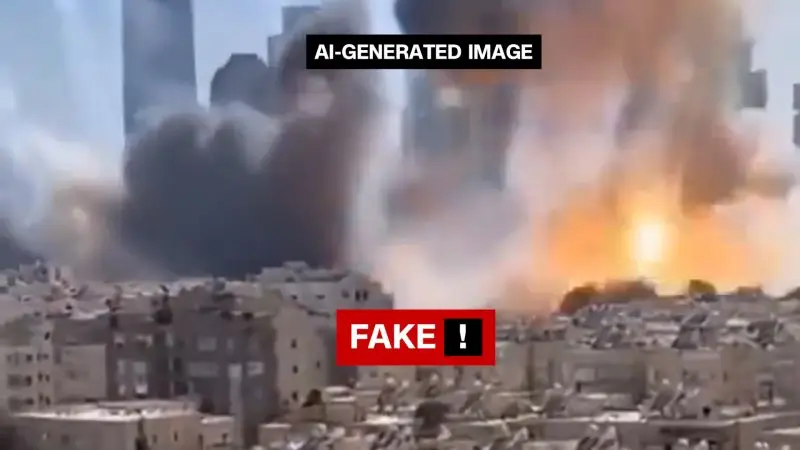
Source: CNN
Deepfake Videos Depict Events That Never Happened
A lot of AI-made videos show dramatic scenes, like missile strikes destroying cities or huge explosions at infrastructure sites. Generative artificial intelligence systems make up these events, which often look real.
Some posts with false information use old footage from disasters or wars that are not related. By putting misleading captions on recycled images, creators make them look like recent war footage.
Social Platforms Struggle To Moderate Synthetic Media
AI-generated war-related images and videos have flooded online platforms like X. Content spreads faster than moderation systems or fact-checking teams can check and confirm.
Every day, millions of pieces of fake media are uploaded to sites all over the world. This scale makes it very hard for moderation policies to stop false information from spreading.
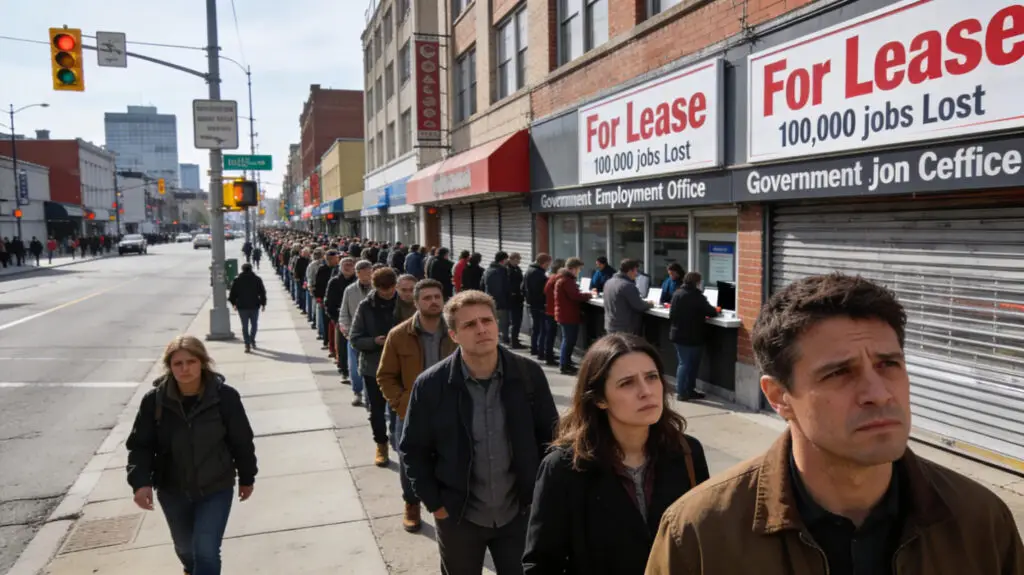
Recommended Article: AI Deepfakes Spread False Claims of UK Urban Decline
AI Tools Transform Modern Information Warfare
More and more, analysts are calling synthetic media a new frontier in the digital information war. AI technology makes it easy and cheap for people or groups to make convincing propaganda.
These tools let both state-linked people and independent creators shape stories. Misinformation campaigns can reach huge audiences because of how fast and big they can make things.
Emotional Content Makes People Share Quickly Online
Many AI-generated videos look dramatic and cinematic, which makes people feel more strongly about them. Things that make people feel strongly often spread faster than news that is true.
Users often share sensational posts without checking to see if they are real or what they mean. This dynamic lets synthetic media shape how people think about breaking news events around the world.
Advanced AI Media Makes It Hard for Verification Tools
As AI tools get better, it gets harder to tell if images and videos are fake. A lot of AI-generated images do not have clear watermarks or other identifying marks that show they are fake.
Journalists and fact checkers use tools like reverse image searches and metadata analysis. But verification often takes a long time to catch up with how quickly false information spreads online.
Experts Warn Of Long Term Trust Erosion
Experts say that a lot of deepfakes could slowly make people less trusting of digital information. People can ignore real evidence by saying it is fake because of something called the liar’s dividend.
When people cannot tell the difference between real events and fake news, it makes things more confusing in information ecosystems. To fight future waves of false information, it may be necessary to improve media literacy and fact-checking systems.