Landslide Victory Brings First Male Prime Minister in 35 Years
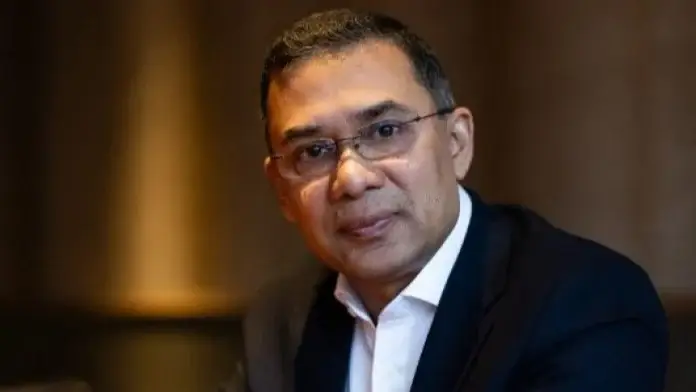
After last week’s decisive parliamentary elections, Bangladesh swore in a new prime minister. On Tuesday, a ceremony in Dhaka marked the start of Tarique Rahman’s presidency. The Bangladesh Nationalist Party won a big victory that led to his inauguration.
Rahman is the first man to be prime minister of the country in more than 30 years. In 1991, Bangladesh went back to being a democratic country with elections. Since then, his mother Khaleda Zia and rival Sheikh Hasina have taken turns leading the country. This is a historic change in leadership.
Source: The Business Standard/Website
BNP Gets a Strong Majority While the Opposition Blocks Forms
The Bangladesh Nationalist Party and its allies won 212 seats in parliament. There are 350 seats in the chamber, including reserved ones. Jamaat e Islami led an alliance that officially won 77 seats.
The National Citizen Party was recently formed by student leaders from the 2024 uprising. The NCP was part of the opposition coalition and had 6 seats in parliament. Their presence shows how politics is changing across the country.
Oath Ceremony Brings Together Leaders and Diplomats from the Area
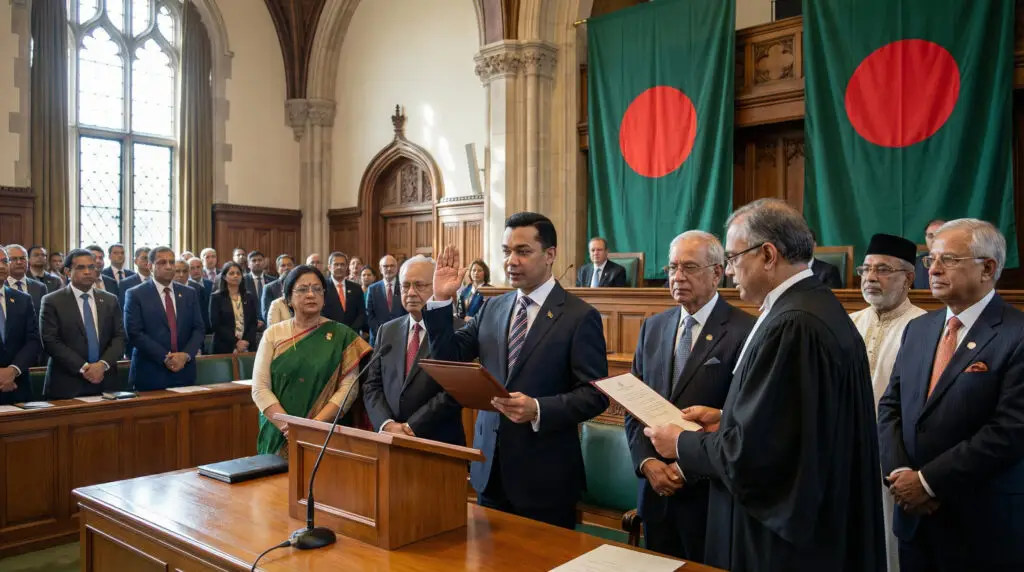
President Mohammed Shahabuddin officially gave the prime minister’s oath. During the events on Tuesday, cabinet members and lawmakers also took their oaths. There were dignitaries from India, the Maldives, Bhutan, and a few other nearby states at the ceremony.
Earlier in the day, the head of the election commission swore in each of the newly elected lawmakers one at a time. This step followed the rules for elections after last week’s voting.
Recommended Article: Trump Touts Economic Strength As Public Doubt Persists
Referendum Creates Tensions Over Constitutional Reform
Lawmakers had to take a second oath related to the reform measures. The idea came from a vote that was held at the same time as the parliamentary vote. Interim leaders said that the referendum passed and that a reform council had to be set up.
During the proceedings, BNP lawmakers refused to take the extra oath. Their refusal shows that there was already some tension over the proposed changes to the constitution. As required, opposition lawmakers from Jamaat e Islami took the oath.
Reform Plan Seeks Limits On Executive Power And Term Length
New checks on the power of the prime minister are part of the reform proposals. Term limits and structural constraints are meant to stop power from being concentrated. These steps deal with patterns that have been seen in previous political cycles.
Critics say that Islamist groups that are getting stronger may push reforms in a different direction. They are afraid that this kind of power could change the secular nature of Bangladesh’s constitution. There will be a lot of political fighting over what the referendum means.
Interim Government Oversaw Vote After Hasina’s 2024 Ouster
The elections were run by a temporary government led by Nobel Prize winner Muhammad Yunus. After a lot of protests that led to the removal of Sheikh Hasina, the government took over. International observers said the vote was peaceful and mostly fair.
Under temporary rules, Hasina’s Awami League was not allowed to campaign. The party still has power, but it couldn’t officially take part. Authorities also stopped all of its organizational activities across the country.
Hasina Condemns Election From Exile As Legal Battles Intensify
Since August 24, 2020, Sheikh Hasina has lived in India. Bangladesh courts sentenced her to death for her role in the deaths during the uprising. She says she didn’t do anything wrong and that the case is politically motivated.
Hasina, who was in exile, called the election unfair and unfair to some people. Her criticism shows that Bangladesh’s political environment is still very divided. Rahman’s government now has to deal with complicated demands for stability and change.