


Merz Launches Three Day Gulf Diplomacy Tour
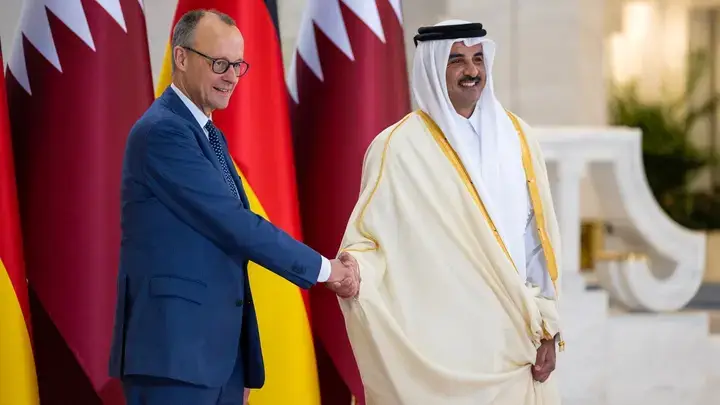
Friedrich Merz, the Chancellor of Germany, started a three-day trip to the Gulf. The trip is mostly about making economic and security ties stronger. Doha is a key stop on the way to regional engagement.
Germany wants to strengthen its strategic ties with Gulf countries. Officials want more cooperation in the areas of business and defense. The visit shows that Berlin is trying to improve its diplomatic relations again.
Source: AL Arabiya/Website
Arms Cooperation Discussions Surface In Doha
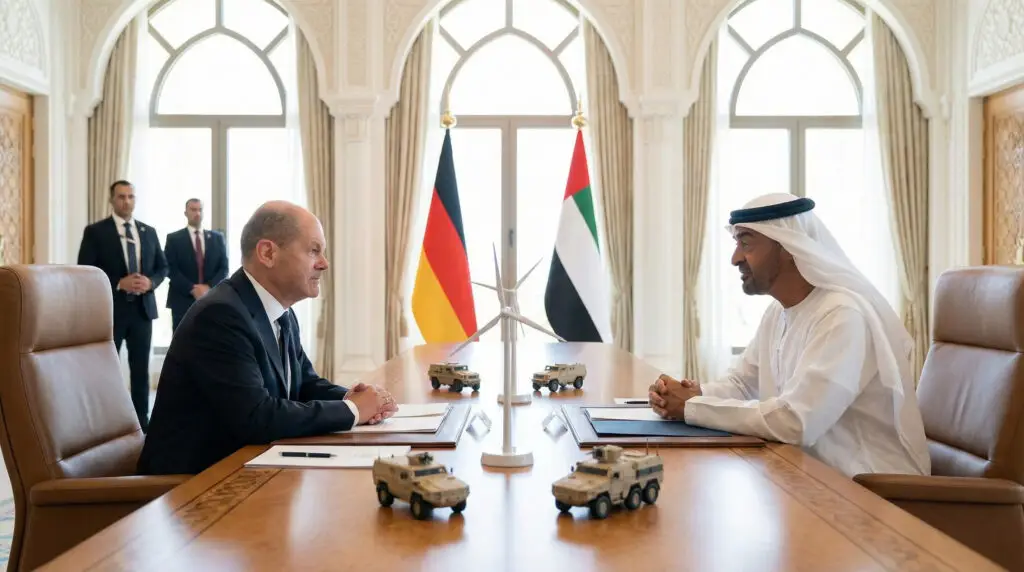
Possible agreements on arms cooperation were part of the talks in Doha. Working together in the defense industry is still a touchy subject in German politics. Gulf partners want better technology and better security coordination.
Merz stressed the importance of following German export rules. Any agreements would have to follow strict rules for oversight. Along with talks about the economy, there are also talks about security.
Energy Partnerships Remain Strategic Priority
Germany’s Gulf diplomacy is based on working together on energy issues. After geopolitical problems, Berlin keeps finding new sources of supply. Partnerships in liquefied natural gas are still very important.
The Gulf states supply important hydrocarbons to European markets. Long-term contracts make supply security goals stronger. Energy ties are the basis for more business cooperation.
Recommended Article: Syrian President Visits Germany for High-Level Political Talks
Chancellor Visit with Business Delegation
Merz went on a trip with high-ranking people from German businesses. Corporate leaders look into trade and investment options. Infrastructure and technology projects are very important.
German companies want to have more access to markets in the area. Gulf sovereign wealth funds are thinking about working with European companies. Mutual investment flows are still important diplomatic tools.
Security Dialogue Extends Beyond Arms Sales
Talks about security go beyond buying equipment. Concerns about regional stability shape strategic talks. Cooperation against terrorism is still a part of bilateral talks.
Germany backs diplomatic efforts to ease tensions in the area. Gulf partners stress working together on maritime security. Economic agreements work well with broader security frameworks.
Strategic Autonomy Influences Germany’s Foreign Policy
Berlin wants to have more control over its foreign relations. Having a variety of partners makes you less dependent on one market. Engagement with the Gulf shows how geopolitical calculations are changing.
Merz wants to have good relationships with both Western allies and players in the region. Economic resilience helps achieve larger national security goals. Diplomacy fits with the goals of making businesses more competitive.
Broader Implications For European Engagement
Germany’s outreach reflects a broader European interest in ties with the Gulf. To make the switch to renewable energy, we need to keep working with oil and gas companies. Investment ties make regions more dependent on each other.
Merz’s tour shows how important practical diplomacy is in times of uncertainty. Business, energy, and security are still all linked priorities. The visit could change how Europe interacts with the Gulf in the future.