


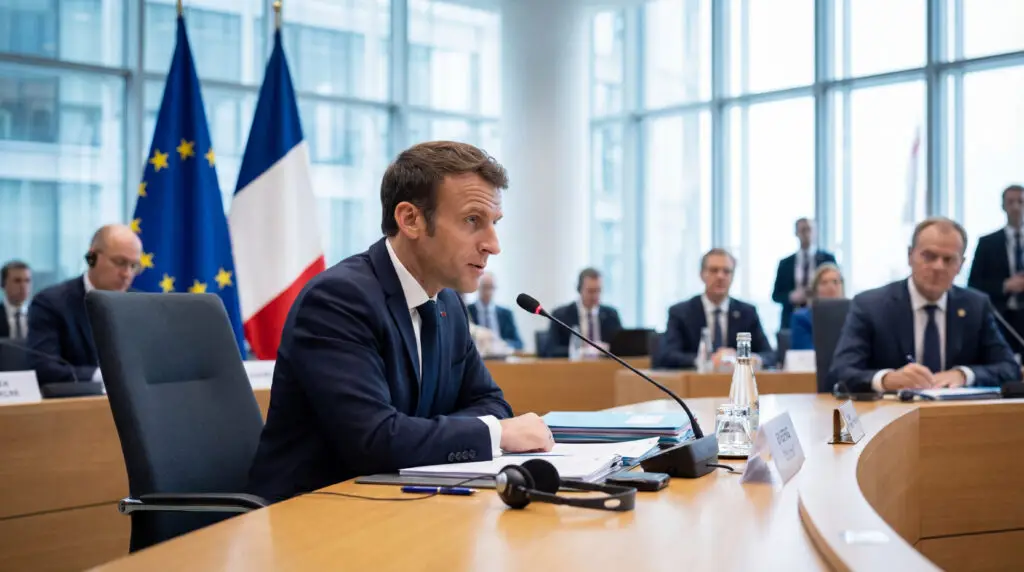
Macron Makes Euro Strength a Top Priority at the Summit
French President Emmanuel Macron wants to draw attention to how strong the euro has been lately. He plans to bring it up at the next EU leaders’ summit. The rise in the value of the euro has become a major topic of discussion in Europe’s economic policy debate.
Macron says that changes in the exchange rate affect how competitive businesses are. When the euro gets stronger, it costs more to send things from Europe to other countries. This dynamic could lower demand in important global markets.
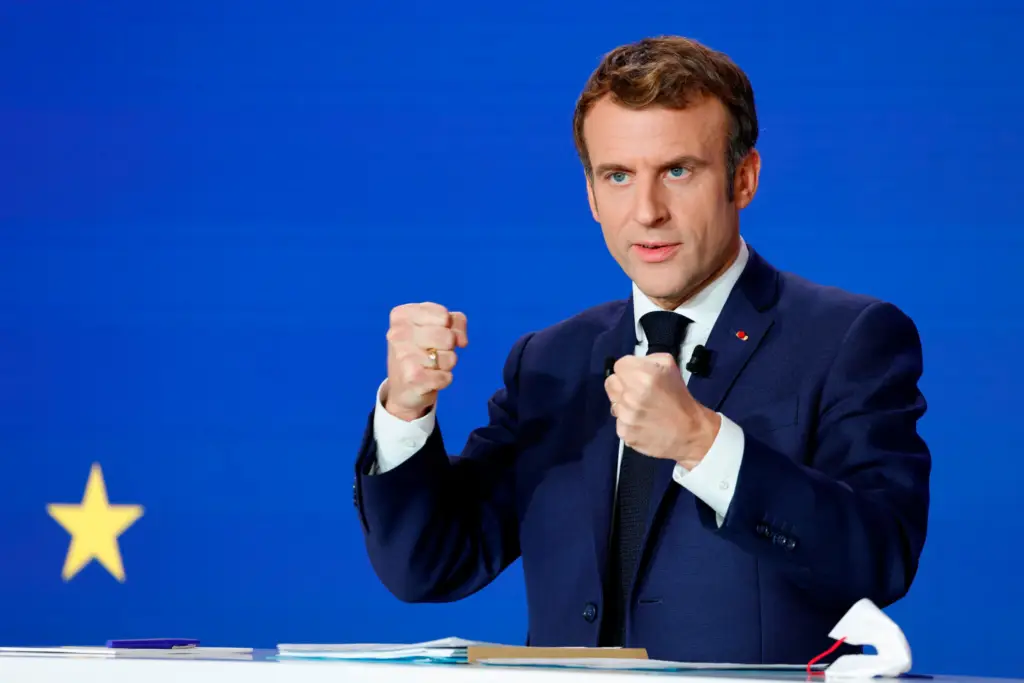
Source: nytimes/Website
Strong Euro Puts Pressure on Industries That Rely on Exports
Changes in currency can have a big effect on sectors that depend on exports. When the euro is worth more, it makes it harder to get better prices in other countries. When manufacturers compete internationally, their margins get smaller.
Industries like automotive and aerospace are still very vulnerable. Luxury goods makers also rely heavily on sales outside of the US. Long-term business investment planning is harder because exchange rates change so often.
Trade Competitiveness And Currency Dynamics Interact
Macron wants to have a bigger conversation about how currency affects policy. Exchange rates affect the balance of trade and the flow of money between countries. Leaders need to think about how changes to the economy will affect the structure of the economy.
Discussions about competitiveness often focus on productivity and new ideas. But a strong currency can make up for gains in efficiency at home. Coordinated attention might make it easier to figure out what to do at the European level.
Recommended Article: French Government Survives No-Confidence Votes Over Mercosur
Broader Economic Priorities Shape Summit Talks
Talks about growth, inflation, and industrial strategy are on the agenda for the summit. The US and China are becoming more and more competitive with Europe. Currency valuation is related to how you position your economy strategically.
Sometimes, stronger currencies show that investors believe the region is stable. But a long-term rise in value can slow down exports. Policymakers need to find a balance between stability and being competitive with other countries.
Dollar Weakness Amplifies Euro Appreciation
The euro was stronger than the dollar because the dollar has been weak lately. Different expectations for interest rates affected how currencies moved. Investors pay close attention to signals from central banks about their policies.
Changes in exchange rates often follow changes in the economy’s outlook. The way people think about money is shaped by inflation trends and fiscal trajectories. These events change how capital is distributed around the world.
Industrial Strategy And Strategic Autonomy Concerns
Macron always pushes for more European industrial independence. He says that competitiveness is what makes long-term strategic independence possible. The state of the currency has a direct effect on how well exports hold up.
Leaders might link discussions about exchange rates to their investment goals. Funding for new ideas and projects to help the environment are still top priorities. It is very important for fiscal and monetary concerns to be in sync.
Political Debate Over Exchange Rate Policy Heats Up
Some policymakers say that direct currency intervention measures should be avoided. The European Central Bank is still free to make its own decisions about money. Still, political leaders openly talk about the effects of competitiveness.
Macron’s involvement shows how important it is to deal with currency-driven pressures. Countries that depend on exports keep a close eye on the value of the euro. The talks at the summit could affect how the economy works together in the future.