



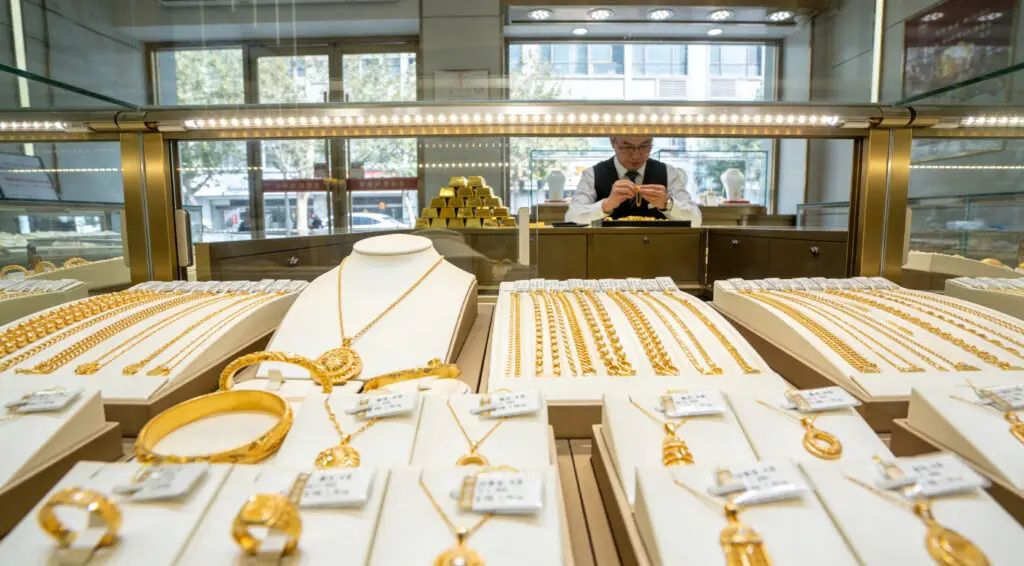
Soaring Gold Prices Pressure Türkiye’s Jewelry Sector
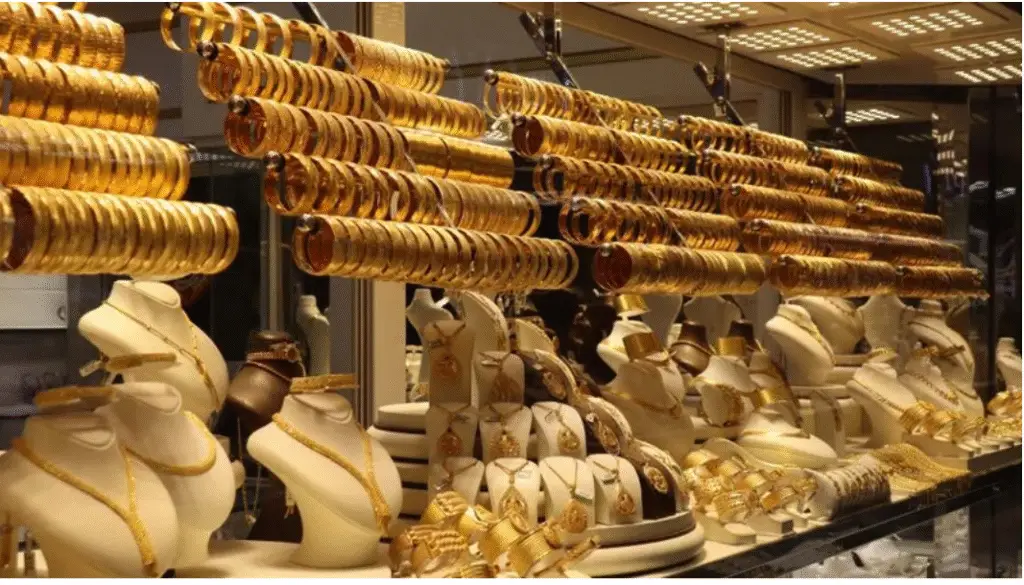
The jewelry industry in Türkiye is going through one of its hardest times right now because rising gold prices are cutting into profits and making it hard to make things. Workshops that used to be busy are now quiet, which is a sign of a slowdown that is spreading through manufacturing centers.
The Grand Bazaar, which used to be a hub for artisans, shows how quickly things have gotten worse for them and exporters. People who work in the industry say that if nothing is done, the current downturn could change the sector for good.
Source: PA Turkey/Website
Export Orders Collapse Across Key Global Markets
Export-driven businesses have been hit the hardest, with many saying that international orders have dropped sharply in the last few months. Some foreign buyers have even ended long-term relationships because of rising costs and unclear pricing conditions.
Official numbers back up how bad the downturn is: jewelry exports fell by 59% in January compared to the same month last year. These kinds of losses put Türkiye’s hard-earned place in the competitive global luxury goods market at risk.
Import Quotas Intensify Challenges For Manufacturers
The government set limits on gold imports in 2023 to keep the domestic markets stable, but manufacturers say the policy had unintended effects. Licensed exporters can only send out 12 tons of unprocessed gold each month, which limits how much they can make.
Gold prices in the US are now thousands of dollars higher than international benchmarks, making it harder to compete in export markets. This price difference has made Turkish jewelry less appealing than jewelry from other companies.
Recommended Article: Uber Acquires Getir Delivery Business in Türkiye Deal
Workshop Closures Signal Deep Industry Distress
Representatives from the sector say that almost 60% of workshops and factories have either closed or are about to close. The drop has led to layoffs, less investment, and more uncertainty among skilled workers.
Owners say that stopping production affects the whole supply chain, from miners and transport companies to stores. The ripple effects show how quickly industrial slowdowns can become bigger problems for the economy as a whole.
Tourism And Retail Feel The Economic Ripple Effects
The problems in the jewelry industry go beyond manufacturing. They also affect businesses that depend on business travelers and wholesale buyers. Fewer international clients means fewer hotel stays, transportation bookings, and shopping in big cities.
Business tourism used to be very important for supporting related industries, especially in Istanbul. If things stay the same, analysts now say that a long period of weakness could slow down economic growth in the region.
Market Share Slips After Years Of Rapid Expansion
Türkiye used to grow very quickly, going from about 1% of the world’s jewelry exports to 7% in just a few years. Before the current problems stopped progress, industry leaders even aimed for a 10% share.
Today, that share is down to about 5%, which shows how quickly competitive advantages can fade. The fact that U.S. imports are going down and European demand is getting weaker shows how fragile industries that depend on exports are.
Industry Leaders Call For Policy Balance And Investment
Business groups are asking the government to change its quota policies while also supporting gold production in the country. Leaders say that for the long-term health of the economy, it is important to find a balance between protecting the market and making exporters more competitive.
Experts also talk about Türkiye’s untapped gold reserves, which are thought to be worth thousands of tons and have a lot of economic value. Strategic investment could greatly boost production, making both mining and jewelry making stronger.