Economic Stability Shapes Thailand’s 2026 Election Outcome
Economic stability and recovery dominated Thailand’s general election in February 2026, guiding both campaign messaging and voter priorities. Despite mounting environmental challenges affecting millions nationwide, climate change, sustainability, and net-zero targets received limited attention. Instead, voters focused heavily on inflation, household debt, and the resilience of the rural economy when evaluating political platforms.
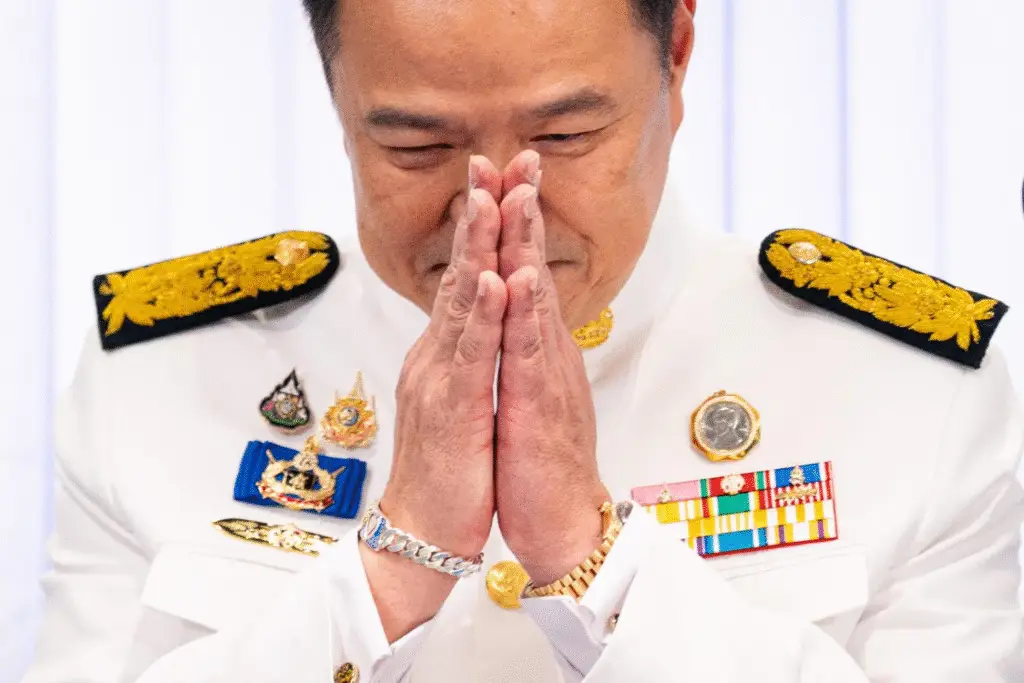
Prime Minister Anutin Charnvirakul secured victory by emphasizing nationalism, fiscal discipline, and security concerns, including border tensions with Cambodia. His platform resonated with citizens seeking predictable governance amid global uncertainty. Analysts suggest the outcome reflects pragmatic voter preferences centered on immediate economic realities rather than aspirational policy themes.
Source: Lowy Institute/Website
Conservative Resurgence Reflects Bread-and-Butter Concerns
The success of the ruling Bhumjaithai Party is widely interpreted as evidence of a conservative resurgence anchored in economic priorities. Political stability and entrenched rural patronage networks played a decisive role in mobilizing voter support during the campaign. Sustainability topics appeared primarily in technical policy documents rather than in speeches designed to energize the electorate.
Post-election expectations indicate policymakers will prioritize debt relief, investment attraction, and fiscal balance across critical sectors. Environmental policies remain present but are often framed as economic instruments, such as carbon credit markets. This framing mirrors a broader global trend linking climate initiatives to industrial competitiveness.
Environmental Debate Remains Technocratic Rather Than Political
Observers noted that environmental discussions largely unfolded within specialized policy circles rather than mainstream political discourse. Government strategies continue to support decarbonization, yet the issue rarely influenced campaign momentum directly. Experts argue that Southeast Asian governments frequently integrate climate planning into broader economic development narratives.
Embedding sustainability within modernization strategies may help authorities avoid polarizing debates. However, this approach risks underestimating public concern about worsening environmental conditions. As climate pressures intensify, the disconnect between policy planning and political visibility could expand.
Recommended Article: Aleen Upgrades Wellness Analytics With Deeper Data Insights
Pollution Concerns Affect Majority of Population
Public anxiety about environmental degradation remains significant despite its muted campaign presence. Advocacy groups report surveys showing approximately 88% of respondents experienced pollution-related impacts in daily life. Fine particulate matter, particularly PM2.5, emerged as the most frequently cited threat.
Thailand has treated air quality as a national priority since at least 2019, yet pollution episodes have continued to intensify. The decline in “good air quality” days underscores the urgency for stronger mitigation measures. Persistent exposure is increasingly shaping national public health debates.
Seasonal Haze Drives Public Health Risks
Recurring haze affecting Bangkok and northern provinces stems from crop burning, vehicle emissions, and transboundary pollution. During dry seasons, air quality has repeatedly reached hazardous levels, disrupting economic activity and everyday routines. These conditions highlight the complexity of coordinating environmental policy across regional boundaries.
Medical experts warn that prolonged exposure to fine particulate pollution heightens the risk of respiratory illness, cardiovascular disease, and premature mortality. Such health outcomes place additional strain on healthcare systems already managing demographic transitions. Accelerated reform therefore carries both economic and humanitarian importance.
Fossil Fuel Dependence Complicates Energy Transition
Thailand continues to rely heavily on fossil fuels, with natural gas accounting for roughly half of national electricity generation capacity. Coal and imported energy sources also remain integral, illustrating the scale of transformation required for net-zero pathways. Rising electricity demand further complicates strategic planning.
Industrial expansion, urbanization, and digital infrastructure growth are expected to drive energy consumption higher over the next decade. Balancing supply reliability with decarbonization will require substantial investment and technological advancement. Policymakers face difficult sequencing decisions as they map the transition.
Long-Term Strategy Still Includes Climate Commitments
Despite limited electoral visibility, Thailand maintains formal climate commitments under domestic and international frameworks. Authorities previously pledged carbon neutrality by 2050 and net-zero emissions by 2065, later accelerating timelines to strengthen ambition. Current plans target a 47% emissions reduction by 2035 compared with 2019 levels.
Draft legislation, carbon pricing initiatives, and expanded sector-level decarbonization strategies aim to align businesses with evolving global trade standards. Companies are increasingly attentive to green supply chain requirements as regulatory expectations shift worldwide. As Anutin stated in 2025, sustainability is no longer optional but essential for national resilience.