


2026 Will Be A Big Year For South African Politics
The year 2026 will be a turning point in South Africa’s changing political scene. It will be the 7th Local Government Election held under coalition rule. In this situation, people expect more maturity, compromise, and good coordination between parties.
After the 2024 general election, coalition politics will shape how decisions are made at the national level. It is no longer the case that one party is in charge all the time. Political actors must adjust to shared power and shared responsibility.
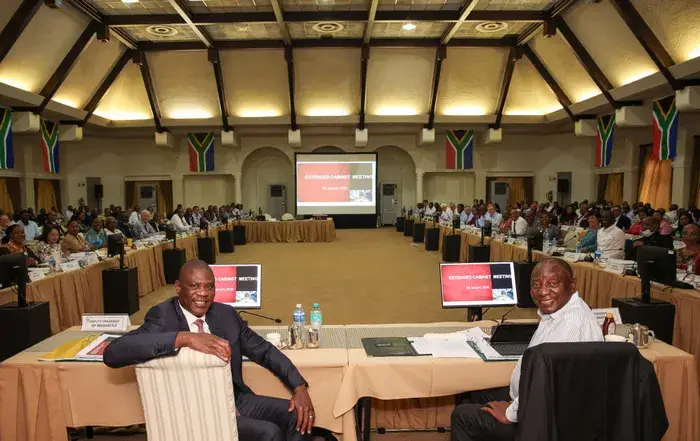
Source: Sunday Tribune/Website
Declining Electoral Support Reshapes Coalition Dynamics
Between the 2016 and 2021 local elections, both the ANC and DA lost support from voters. These results showed that people were losing faith in established political parties. The trend suggests that things will get worse as new parties join the political scene.
Even though this is the case, coalition leaders keep saying they are in charge of the elections. This kind of talk doesn’t seem to be linked to how voters actually act. Instead of restoring public trust, it could hurt credibility.
Coalition Governance Challenges Exposed After 2024 Election
The 2024 election changed South Africa’s political system in a big way by not giving any party a clear majority. Established ways of running things quickly became useless. Almost overnight, coalition negotiation took the place of one-sided policy direction.
This change became clear when the 2025 Budget had to be re-tabled, which had never happened before in a democracy. Coalition partners openly disagreed on their beliefs. The incident showed that they weren’t ready for real power sharing.
Recommended Article: Venezuela Announces Mass Amnesty Plan After Maduro’s Removal
Power Struggles Undermine Purpose Of Coalition Politics
The tensions between the main coalition partners showed that the governing parties were still having trouble figuring out who they were. One partner acted like they were still in charge by themselves. Another acted like they were still the official opposition.
This contest was more about who was in charge than who could provide the best service or benefit the public. It seemed like coalition partners had been forgotten or pushed aside. This kind of behavior showed that they didn’t really understand what their responsibilities were in the coalition.
Political Maturity Questioned Amid Public Embarrassment
Some people saw the conflict between the coalition as a sign of democracy growing up. Some people thought it was an embarrassing national event that showed how immature the politicians were. People lost faith in government structures because they weren’t working together.
Trying to downplay these events as teething problems doesn’t give much comfort. Political discipline cannot be replaced by structural mechanisms alone. Real maturity necessitates behavioral transformation rather than mere procedural adjustments.
SONA Must Reflect Collective Priorities Not Party Agendas
The State of the Nation Address tells the government what to do in the coming year. It must be a shared plan of action under coalition rule. Grandstanding or messaging that only works for one party could break up the fragile unity.
Some of the party’s earlier priorities make it hard to tell the difference between coalition interests and internal agendas. Coalition partners might not like the idea of including partisan goals. SONA needs to find a balance between political diversity and national unity.
Budget Will Test Commitment to Putting People First in Government
After SONA, the focus will quickly shift to the national budget process. At this point, coalition dispute resolution mechanisms will be put to the test again. Fiscal decisions need people to agree, be disciplined, and think about the public.
If policy differences aren’t resolved, there is a risk of renewed conflict and instability. Putting the needs of the people ahead of your own political ego is the key to success. The coalition’s future credibility hinges on this result.