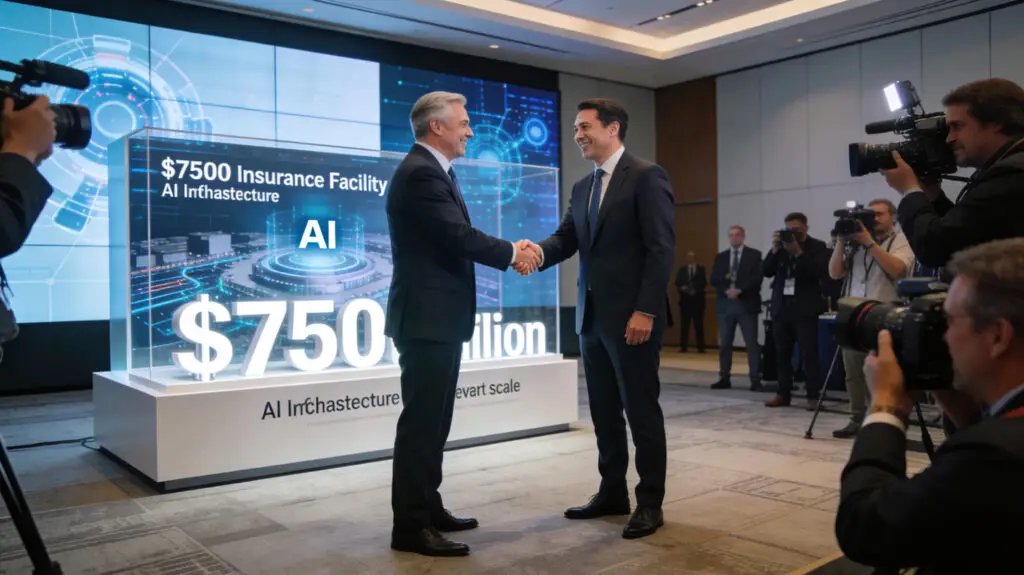



ATA Launches Large-Scale AI Infrastructure Insurance Program
Advanced Technology Assurance Limited has started a new insurance program to help the growth of AI infrastructure around the world. The facility can underwrite up to $750 million at first. It was made to meet the growing demand for insurance caused by the rapid growth of AI investment around the world.
By 2030, the market for AI infrastructure is expected to bring in almost $7 trillion. This kind of scale brings with it a lot of complicated risks in terms of construction, operations, and technology. ATA’s plan is to deal with these problems by creating a special insurance framework.
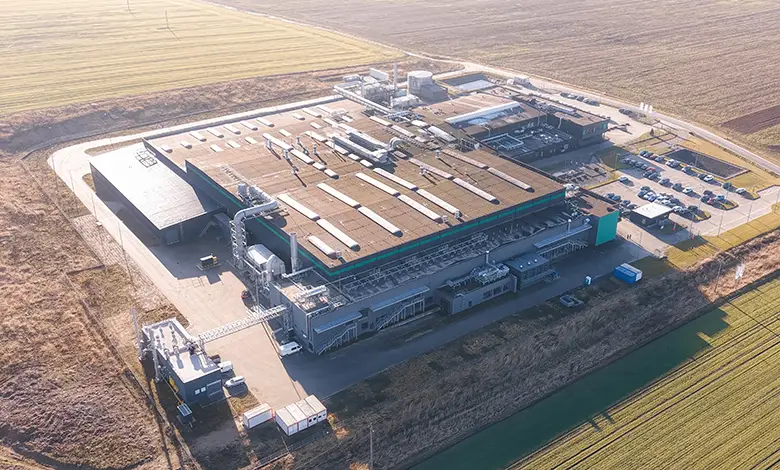
Source: Commercial Risk/Website
Consortium Backing Strengthens Capacity And Expertise
A group of more than 10 reinsurers and Lloyd’s syndicates backs the insurance facility. This support gives the company a lot of strength on its balance sheet and a wide range of underwriting skills. The group is made up of big global insurance companies that know how to deal with complicated risk situations.
By pooling resources, the consortium can help with big, expensive AI projects. Syndication also helps insurers keep their prices competitive while managing their risk. This structure is very important for underwriting infrastructure projects worth billions of dollars.
Integrated Policy Combines Multiple Lines Of Coverage
ATA’s facility offers an all-in-one insurance policy that covers a wide range of traditional and new types of risks. Coverage includes liability for property, computer hardware, cargo and transit, cyber, technology errors and omissions, and the environment. The same solution also includes risks of terrorism.
Putting these lines together into one policy fills in the coverage gaps that standalone products often leave. It also reduces the number of disagreements between insurers who are handling claims that are similar to each other. This combined method makes it easier for operators of complex AI infrastructure to manage risk.
Recommended Article: How Coca-Cola, Nike, and Starbucks Use AI to Drive Growth
The Ecosystem Approach Aims to Make AI Projects Less Complicated
ATA leaders said that the facility was an ecosystem-driven solution for risks that come with new technologies. The policy combines limits from both old and new types of insurance. This design shows how AI infrastructure investments are all linked to each other.
When big AI projects are going on, investors, developers, hardware suppliers, and operators all work together at the same time. It’s not always easy to coordinate insurance between these people. ATA wants to make protection easier by providing a single risk transfer structure.
Facility Made for the Whole AI Value Chain
The new policy is meant to help everyone in the AI sector. This includes investors, lenders, tenants, chip integrators, and people who run data centers. ATA wants to be the main insurance contact for everyone who works on AI infrastructure.
A clear lead line solution makes things less uncertain for brokers and people who are insured. By making it easier to get insurance, it also speeds up project timelines. This position helps AI infrastructure spread around the world more quickly.
Lloyd’s Syndication Makes New Risk Solutions Possible
Lloyd’s syndication is a key part of helping the new insurance facility. Syndication makes it easy to put together world-class capacity for complicated risks. It also works with bigger line sizes that are needed for AI infrastructure projects.
This model of collaborative underwriting lets policy designers come up with new ideas. It makes sure that new risks are dealt with by using everyone’s knowledge. Lloyd’s involvement makes people more sure that the facility will be able to stay open for a long time.
ATA Expands Role In Advanced Technology Insurance
ATA was created to provide insurance for new and cutting-edge technologies. With help from Convex Group, the company started doing business in October 2023. Since then, it has worked to fill in the gaps in technology risk coverage.
This facility helps ATA grow its presence in the global AI ecosystem. The company wants to hire more people to work in underwriting and risk engineering. These efforts help meet the insurance needs of AI infrastructure investments that are getting bigger and bigger.