


Trump Wants Microcars to Compete in the Big American Car Market
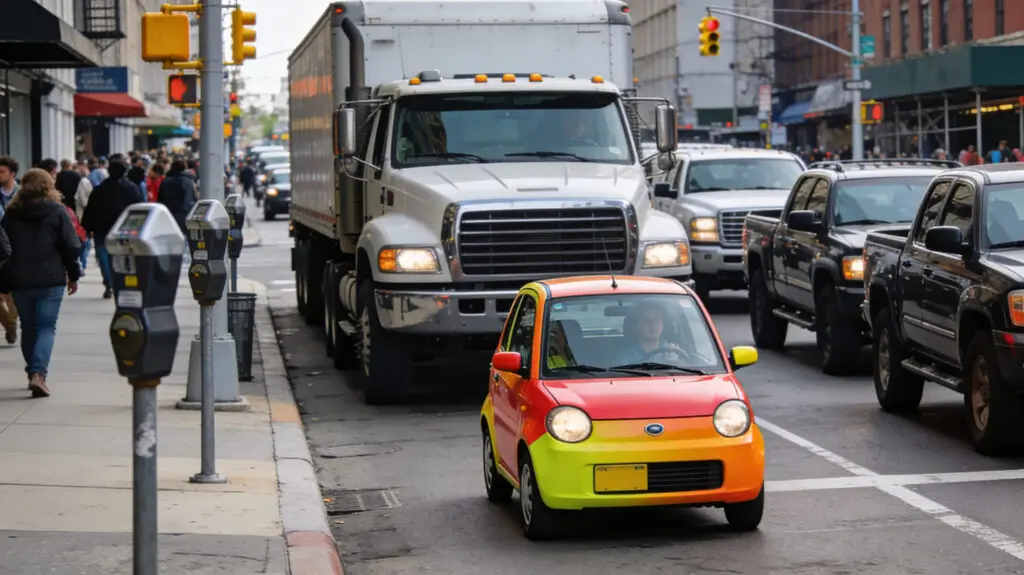
After visiting Japan, President Trump praised small cars and said that cheap, efficient cars could change the way Americans get around. He said that making cars in the US would change the rules that keep small models off the market and give people more choices across the country. The proposal goes against decades of preference for pickups, SUVs, and size-based identity in the US.
Experts in the field say that America’s geography, safety standards, and habits are very different from Japan’s, even though people are excited about it. Kei cars do well in crowded cities, but they don’t do as well on highways or long commutes in the suburbs. This disconnect makes people wonder if microcars can actually become more than just a novelty in the US.
Source: BBC/Website
Safety And Highway Reality Challenge Tiny Car Adoption
Drivers know that microcars feel weak next to trucks, especially when they are driving on American highways during rush hour. Transportation officials say that small cars may work well in cities, but they have a hard time meeting safety standards on highways across the country. Crash standards call for redesigns that make microcars heavier, more expensive, and more complicated, which takes away a lot of their benefits.
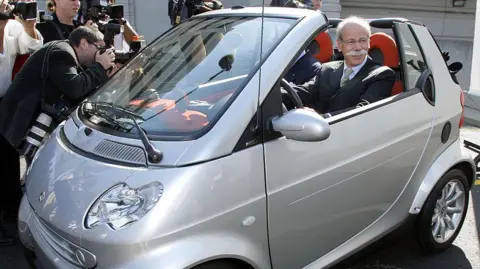
People who love these cars are willing to take risks, but they don’t usually recommend them as everyday family cars for people all over the country. Americans have always preferred size, comfort, and perceived safety over efficiency, as shown by past failures like Smart. Safety concerns are still a big reason why people don’t want to buy things, even though leaders across the country are encouraging people to do so.
Pricing Pressures Test The Promise Of Affordable Microcars
Trump says that small cars could lower prices, but the economics of making them make that assumption more complicated for carmakers. American factories need to retool to meet rules and get around the fact that they aren’t as big as factories in Asia. Tariffs, inflation, and cuts to subsidies make things even less affordable for budget-conscious shoppers in all markets across the country.
Prices for cars are still high, even though the pandemic made people less interested in experimental segments like microcars. Analysts say that the costs of redesigning could wipe out the savings that made the idea appealing to both policymakers and consumers in the first place. Without clear price advantages, adoption may stall beyond niche interest groups in America today.
Recommended Article: Cost Strains Keep UK Small Business Confidence Low
Urban Use Cases Offer Limited Path For Market Growth
Officials admit that microcars could work in crowded cities where trips are short and parking is hard to find. Today, city drivers care more about how well their cars can turn and how new they are than how big or powerful they are. But cities only make up a small part of the total demand for cars in the US compared to the suburbs.
Today, kei trucks and vans are already used on farms, campuses, and golf courses in many states. These apps help niche markets stay alive, but they don’t often change the way most people buy cars. Importers say that most buyers see microcars as fun things to have or hobbies, not things they need every day.
Automakers Weigh Investment Risks And Regulatory Barriers
Major manufacturers are hesitant because modern Kei designs don’t meet American safety standards as they are. Companies around the world today have a hard time being cost-effective because it costs a lot of money to redesign platforms. Some brands, like Fiat, plan to only launch a few models in the US to test demand there first.
Others, like Toyota, Honda, and Suzuki, are still careful about making promises in public because of the current state of the country. History shows that small car experiments have a hard time competing with buyers’ strong preferences for SUVs across the country today. Smart’s departure showed that there wasn’t much interest outside of enthusiasts, even with marketing efforts and global branding support campaigns.
Consumer Culture Remains The Biggest Barrier To Change
Culturally and emotionally, American identity is still very closely linked to the size, power, and presence of cars on the road. Today, many drivers across the country see big cars as a sign of safety, freedom, and status. For buyers who are used to bigger cars, downsizing feels more like a compromise than a step forward.
Even officials who support microcars agree that they will never fully replace mainstream fleets in the US today. At best, they add to the options that are already available in certain places, like cities, campuses, and farms across the country. For culture change to work in the US and around the world, it needs time, incentives, and regular exposure.
Tiny Cars Likely Stay Niche Despite Political Momentum
Experts mostly agree that Trump’s endorsement alone can’t change the market unless buyers and businesses are on the same page. For mass adoption to happen in America today, safety and culture must be in line with pricing. Current signals indicate that microcars continue to be limited choices for consumers outside urban centers across the country at this time.
Still, Trump’s comments have made people more aware and interested in the issue across the country today. Importers like the attention, but they don’t expect sales to grow much in the near future, except among fans. Small cars might do well without changing American car culture too much across the country in the near future.