The Golden Age of Global Health Is Over
The Director-General of the WHO said that health progress in the early 21st century was unprecedented and driven by political will and new ideas. Those gains cut deaths from major diseases by a lot and made it easier for people all over the world to get basic health care.
But he warned that things have been going the wrong way in recent years, as many signs have stalled or gotten worse in different areas. The end of this golden age shows how weak the system is because of shocks that happen all over the world at the same time.
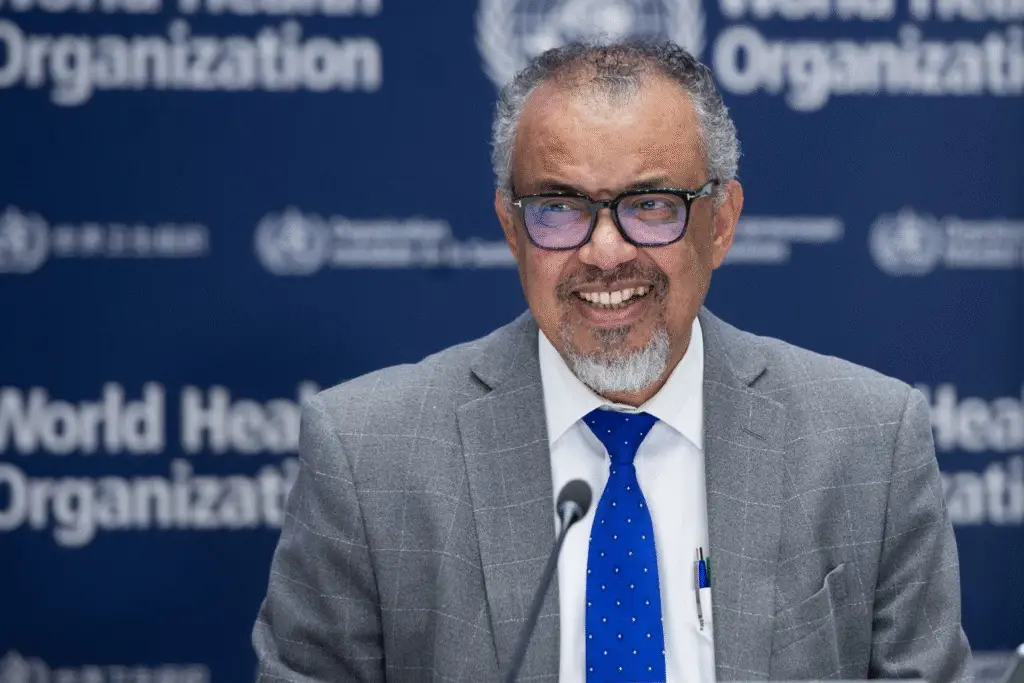
Source: WHO/Website
Pandemic And Aid Cuts Deepen Health System Strain
COVID-19 caused major problems for health systems, undoing years of progress and showing where service delivery systems are weak. Then, recovery efforts were hurt by sudden cuts in foreign aid that hit the most vulnerable groups the hardest.
These funding shocks caused health financing crises in many countries that were already having trouble with limited fiscal capacity. The WHO stressed the need for emergency help to keep important services running during this time of change.
Rising Global Risks Challenge Health Resilience
The Director-General said that wars, unstable geopolitics, and economic shocks are all threats to public health that make things worse. Noncommunicable diseases, mental health problems, antimicrobial resistance, climate change, and pandemics all put ongoing stress on people.
These forces work together to make the world a more dangerous place, which needs coordinated global responses. He warned that fragmented solutions can’t effectively deal with health problems that are linked to each other.
Recommended Article: WHO Starts Mass Casualty Management Training in Egypt
Transition From Aid Dependency To Self Reliance
Many countries now see the crisis as a chance to cut down on their reliance on aid and improve their own health care funding. The World Health Organization backs this change by pushing for long-term strategies for mobilizing national resources.
Health taxes, health benefit packages, and stronger domestic manufacturing are all short-term actions. Long-term changes focus on pooling risks and insurance systems that are paid for by the government.
Digital Health And AI As System Enablers
The WHO is backing the digital health transformation to make systems that are strong and ready for the future. When used responsibly, artificial intelligence has the potential to improve efficiency, planning, and service delivery.
The Director-General warned that digital transformation could also create equity and governance risks. Policies must be carefully designed to ensure technology strengthens health systems rather than deepening fragmentation.
WHO Financial Reform And Institutional Independence
The organization is under financial pressure, but it sees the crisis as a chance to make changes. WHO wants to be more focused, less wasteful, and financially stable.
Member States agreed to raise their contributions to half of the base budget by 2031. This change makes the organization more independent and less vulnerable to donor-driven funding shocks.
Multilateralism And Future Global Health Architecture
The Director-General said that WHO remains central to global health governance even as the system evolves. No bilateral arrangement can replace a multilateral platform that serves all member states equally.
He outlined priorities including completing the Pandemic Agreement, strengthening self-reliance, and clarifying institutional roles. Strong cooperation, he said, remains essential to protecting global health.