



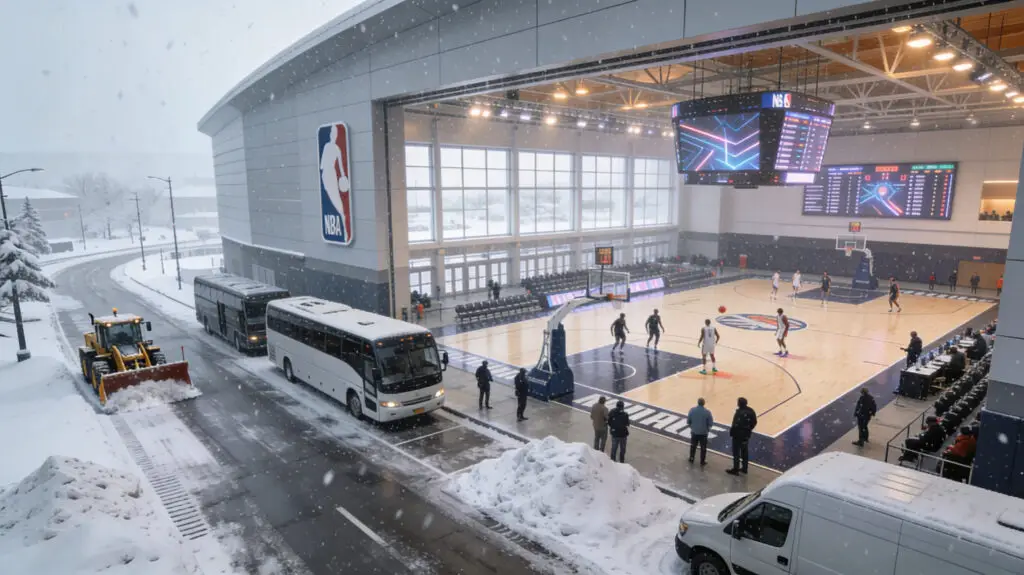
NBA Changes Regular Season Schedule Because of Winter Storms
The NBA changed the dates of 4 regular season games because snowstorms in January made it hard for people to travel and for arenas to run. League officials worked with teams to keep the competitive balance while also keeping broadcast commitments and nationwide schedules. The changes mainly affect Memphis and Dallas because of the bad winter weather that affected many areas.
To make things easier on the league’s busy schedules, 2 postponed games were given new dates later in March. More changes to the schedule make sure that teams don’t have to deal with too many games in a row during the late season across the league. All of the games listed in updates will start at 8 p.m. Eastern time, as usual.
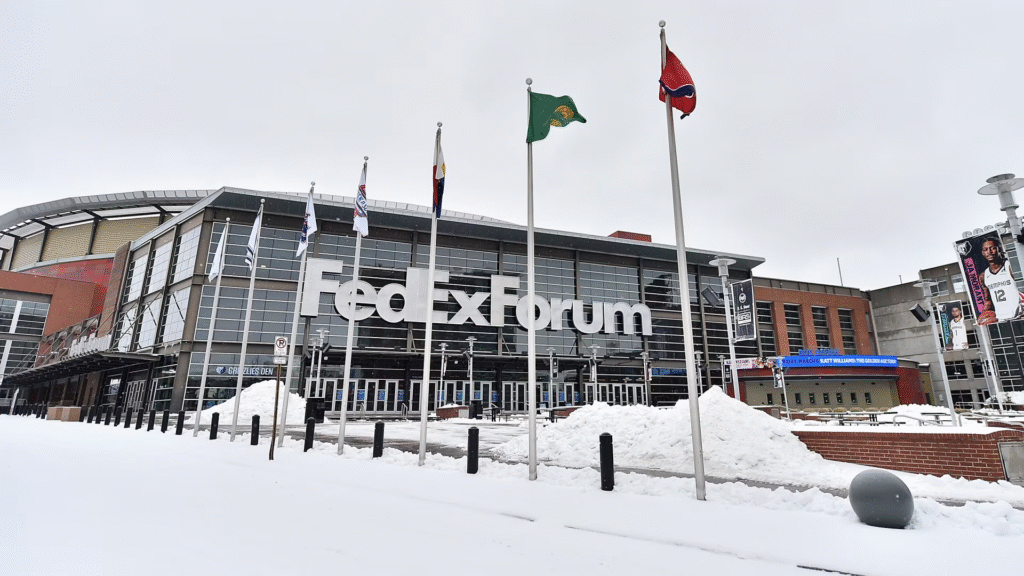
Source: NBA/Website
Memphis Impacted Most by Severe January Weather Conditions
Due to heavy snowfall making it unsafe for teams and fans to get to the games, Memphis had to postpone several events. Unsafe travel conditions caused the Grizzlies to have to postpone 2 home games in January. League officials put player safety first while making sure that opponents and broadcasters were treated fairly.
The Memphis games that were moved to March and April now have a better balance of rest and recovery time. Officials changed the matchups around them to avoid tight sequences that put a lot of stress on players’ bodies. The league’s focus on health during an already tough season is shown in the approach.
Dallas Schedule Modified to Accommodate League Adjustments
Dallas had to change its schedule twice this month because of bad weather. Travel restrictions and arena logistics caused delays that needed coordinated responses from the league. Officials worked closely with the teams hosting the events to set the new competition dates.
Dallas at Milwaukee was moved to the end of March to avoid conflicts and make travel easier. Another Dallas game was moved up to make room for Memphis’s home games later. The goal of these changes is to keep rhythm and fairness in conference competition.
Recommended Article: NBA Deadline Buzz Grows as Giannis Trade Rumors Intensify
League Puts Competitive Balance and Stable Broadcasting First
When picking new dates for postponed games, the NBA put a lot of weight on competitive balance. Changes kept people from getting ahead because of uneven rest or too much travel. We also talked to our broadcast partners to make sure that national schedules would not be too affected.
Keeping the same tipoff times helps viewers know what to expect and makes sure that broadcast programming is reliable. All of the games that were moved will still start at 8 p.m. Eastern Time. This consistency helps the league keep fans interested even when things go wrong.
Weather Disruptions Highlight Season Scheduling Challenges
The storms in January showed how climate events are having a bigger and bigger impact on the logistics of professional sports. League planners now have to think about how much the weather can change during the winter months. Flexible scheduling frameworks help lower operational risks without hurting the integrity of the season.
In the past, the NBA has changed its schedules because of hurricanes and other emergencies in the area. These experiences help with planning for emergencies and coordinating quick responses now. Flexibility in league operations due to the weather is now a must.
Teams Adjust Preparation and Travel Plans Accordingly
When games are moved, teams have to carefully change their practice schedules and travel plans. Coaching staffs have to keep an eye on how much work players are doing as the competitive schedule changes. Medical and performance teams are very important for changing recovery schedules.
Players benefit from not having to deal with traffic that could make injuries more likely later. Having games spaced out evenly helps players keep up their performance throughout the season. When something unexpected happens, these things help the league make decisions.
NBA Signals Readiness for Future Contingency Planning
The league’s quick response shows that it is ready to handle unexpected problems quickly and effectively. Central coordination makes sure that all affected franchises and markets get the same solutions. This method keeps the league’s credibility and operations going.
Officials are still working on contingency plans for the next seasons. More and more, professional sports schedules are taking climate resilience into account. The NBA wants to stay reliable even as the environment changes.