



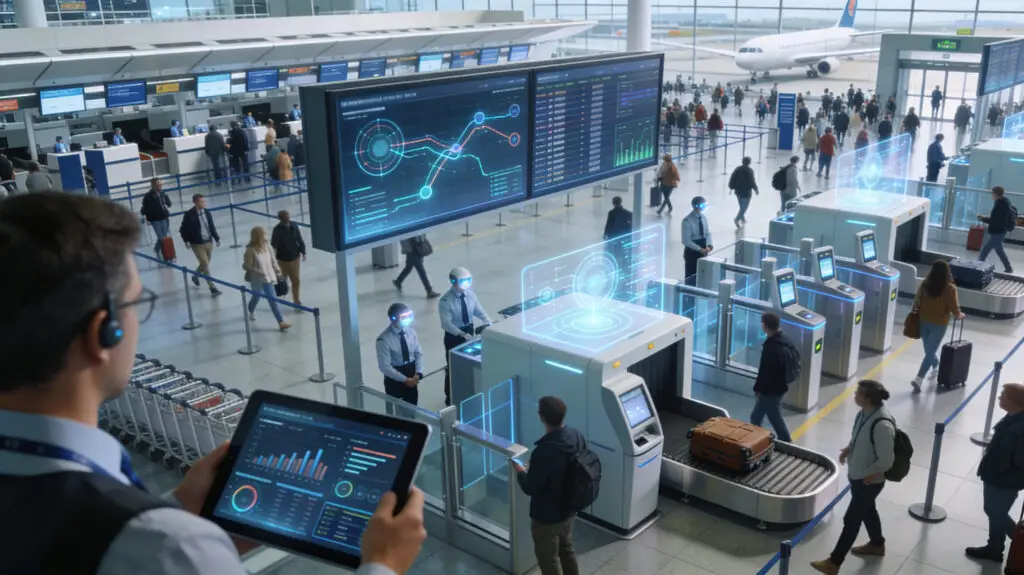
Global Passenger Growth Forces Airports to Rethink Operations
Airports around the world are quickly using artificial intelligence to handle the increasing number of passengers in a way that is both efficient and environmentally friendly. Forecasts say that in 2026 alone, there will be 10.2 billion air travelers around the world. This steady growth puts a lot of stress on the infrastructure, staffing models, and operational efficiency of major international hubs.
More and more, airport operators use data-driven systems to predict when there will be traffic and plan ahead for it. Artificial intelligence makes it possible to plan ahead instead of using reactive crowd control methods that have been used in the past. These technologies help airports keep up with record-high passenger demand while still providing good service.
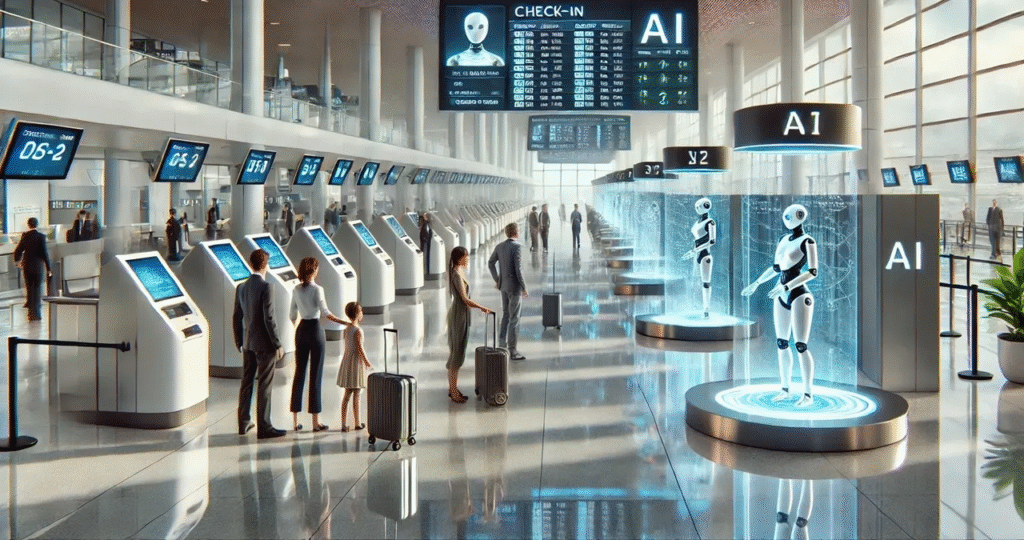
Source: Origin/Website
AI Becomes an Important Part of Planning Airport Infrastructure
Artificial intelligence is now a part of all airport operations, changing how money is spent on infrastructure and how operations are planned for the long term. Systems look at how passengers move around to make terminal layouts better and processing bottlenecks less common. This method makes better use of airport space without needing to build more space all the time.
Along with traditional infrastructure upgrades and capital investments, airport authorities are putting more and more emphasis on digital transformation. AI-driven insights help people make better decisions about staffing, scheduling, and planning how to use facilities. These changes help airports keep costs down while still meeting their growth goals and following the rules.
Passenger Flow Management Shifts Toward Predictive Operations
AI-powered analytics can now tell you when security, immigration, and boarding lines will get busy before they do. These tools let airports move staff around and open lanes ahead of time. During busy travel times, predictive operations cut down on wait times and make passengers happier.
Instead of reacting to too many people, airports use historical and real-time data to predict changes in demand. This proactive model makes it easier to deal with problems caused by weather or operational issues. Passengers have smoother trips and fewer unexpected delays at all terminals.
Recommended Article: Riyadh Air Launches Riyadh Cargo to Enter Global Air Freight
Baggage Tracking and Biometrics Transform Passenger Experience
Tools that use AI to optimize baggage handling greatly cut down on lost luggage and make tracking more accurate. Using real-time data analysis, these systems keep an eye on how baggage moves through the handling stages. Airlines and airports can hold people more accountable and cut costs by making things easier to see.
Biometric processing lets passengers get through checkpoints without having to show physical documents over and over again. Facial recognition and digital identity checks make it faster to get through immigration and board a plane. Airports that use biometrics want to make things easier while still keeping high security standards.
Predictive Maintenance Improves Safety and Operational Reliability
Artificial intelligence helps with predictive maintenance by finding problems with equipment before they cause failures. Sensors and algorithms keep an eye on systems like baggage belts, jet bridges, and the infrastructure on the runway all the time. Early detection cuts down on downtime and stops operational problems from getting worse.
This method makes things safer by not relying only on scheduled maintenance. Airports can deal with risks based on how well their equipment is working instead of set deadlines. Predictive maintenance makes airport systems more reliable and costs less.
Aviation’s Cautious Culture Slows AI Adoption Pace
Even though technology is moving quickly, aviation is still pretty cautious about using artificial intelligence. For safety reasons, the industry still relies a lot on old systems that were made decades ago. Regulatory scrutiny and a fear of risk naturally slow down big changes in technology.
Before they can be used, operations that are critical to safety need a lot of testing, certification, and approval from the government. When people’s lives are at stake, innovation needs to find a balance between speed and reliability. This careful approach is why AI isn’t used as much as it could be in other fields.
AI Investment Seen as Essential for Future Airport Resilience
Experts in the field say that artificial intelligence is necessary for managing the growth of aviation in a way that is good for the environment. Airports are becoming more complicated because more people want to travel, the weather is getting worse, and security is getting harder. AI provides scalable solutions that don’t raise operational costs by the same amount.
Integrating smart systems across all parts of an airport ecosystem is important for long-term resilience. Working together with airports, airlines, and technology providers speeds up responsible use. More and more people think that artificial intelligence will be a key part of the airport of the future.