

AlUla Adopts EarthRanger to Strengthen Regional Conservation Leadership
AlUla said it would use EarthRanger technology to improve the management of its protected natural areas. This is the 1st time that EarthRanger has been used in the Middle East. Officials said that the move was necessary to protect biodiversity for future generations.
The technology helps AlUla keep an eye on wildlife and also helps the area reach its goals for sustainable development. Investing in conservation infrastructure is a way to protect the environment while also promoting responsible tourism growth. Leaders stressed the importance of balancing visitor access with the long-term health of the ecosystem.
Source: EarthRanger/Website
Protected Reserves and Rare Species Drive Conservation Priorities
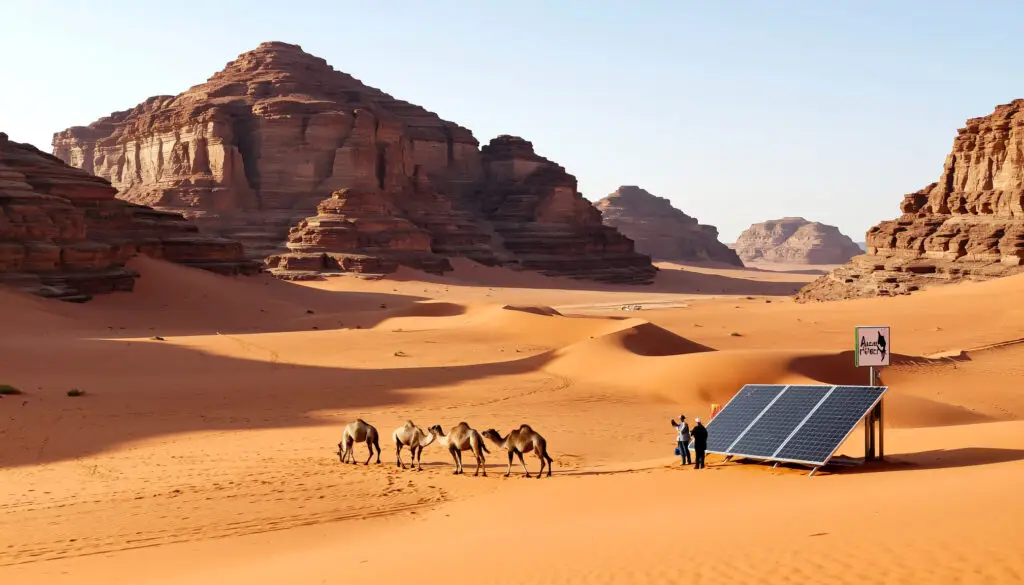
More than 50% of AlUla’s land is made up of protected nature reserves and conservation zones. These areas are home to rare animals like the Nubian ibex, the Arabian oryx, and the red-necked ostrich. To keep these populations alive, we need to keep an eye on them and use flexible management methods.
AlUla’s protected areas are a great addition to high-end small group nature and wildlife tours. Light touch tourism models help diversify the economy while causing the least amount of harm to the environment. This approach draws in eco-conscious travelers looking for responsible experiences at their destination.
EarthRanger Platform Integrates Real Time Conservation Intelligence
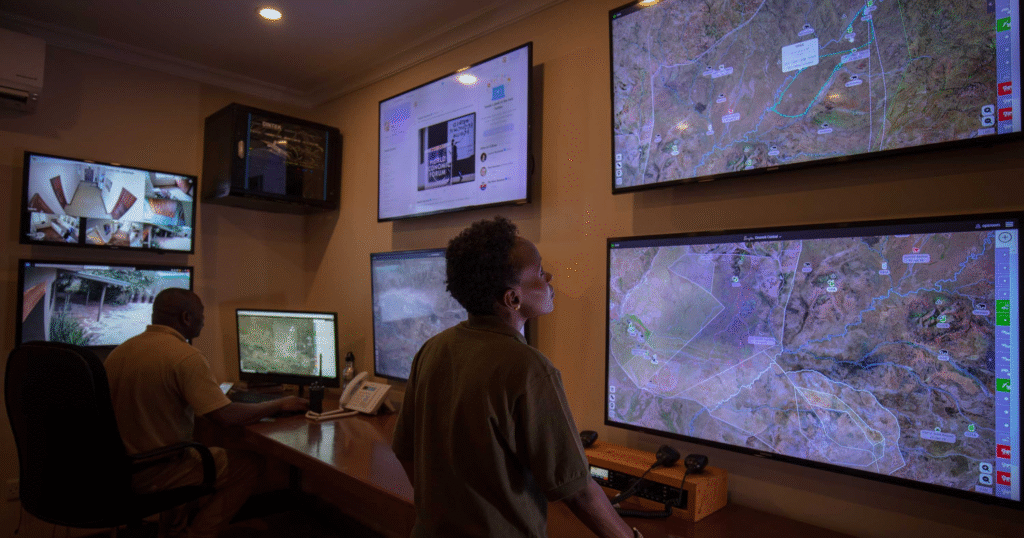
EarthRanger is a free conservation platform made by a nonprofit group that works with artificial intelligence. It brings together many streams of operational data into 1 interface for monitoring in real time. Ranger patrols, vehicle movement incident reports, and environmental sensors are all inputs.
The system gives useful information that helps people make faster and better decisions about conservation. Rangers have a better understanding of what’s going on in large protected areas. Centralized data makes it easier to work together and respond correctly.
Recommended Article: Avikus Signs Record Autonomous Navigation Deal With HMM Fleet
Rangers Empowered Through Smarter Faster Operational Decision Making
EarthRanger tools help reserve teams quickly deal with new conservation threats. Alerts in real time help keep poaching habitats from getting worse and visitors from being unsafe. Faster decision-making leads to better outcomes for wildlife protection.
Clearer reporting and operational visibility help with day-to-day reserve management. People who care about the environment can see how things change over time and between species. These insights back long-term programs for restoring ecosystems and bringing back species.
Deployment Spans Key Sites Supporting Ambitious Rewilding Goals
EarthRanger is now being used in Wadi Nakhlah, Sharaan National Park Hegra, and Wadi Nakhlah. These places protect landscapes that are more than 12,000 square kilometers. They are the main parts of AlUla’s efforts to bring back biodiversity and rewilding.
Reintroduction programs aim to bring back species that are on the verge of extinction, like the Arabian Leopard. Ongoing monitoring helps with habitat readiness and population safety evaluations. Using technology to keep an eye on sensitive rewilding efforts makes them more likely to succeed.
Data Driven Tourism Planning Enhances Visitor Experiences Responsibly
AlUla can plan routes that don’t bother animals too much thanks to all the wildlife data it has. During guided game drives, rangers can keep an eye on where vehicles are and how fast they’re going. Visitors feel more connected to the landscape without lowering conservation standards.
Future improvements include mapping areas where people and wildlife fight and adding camera trap systems. Navigation tools will help with live tracking and quick responses to incidents. These features make things safer for both guests and wildlife.
EarthRanger Supports National and Global Conservation Collaboration
EarthRanger makes sure that all of Saudi Arabia’s protected areas follow the same rules for managing conservation. The platform lets conservation research and education groups share data with each other. Working together makes it easier to monitor the health of ecosystems and understand science.
EarthRanger works in hundreds of protected areas in 90 countries around the world. The network keeps track of thousands of animals around the world in real time. AlUla’s adoption helps lead global conservation technology efforts in the region.