


IMF Flags Trade Tensions as Major Downside Risk to Growth
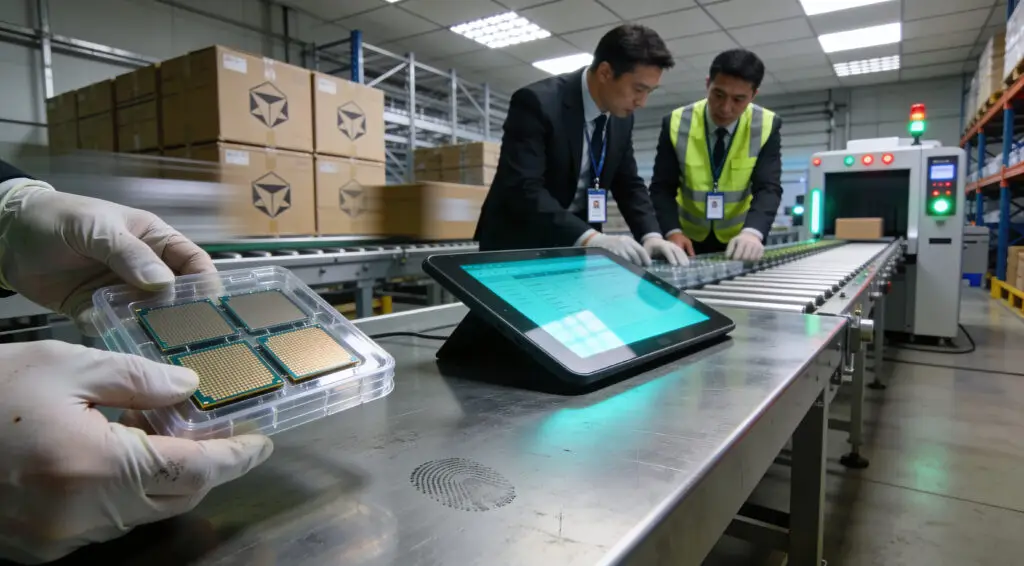
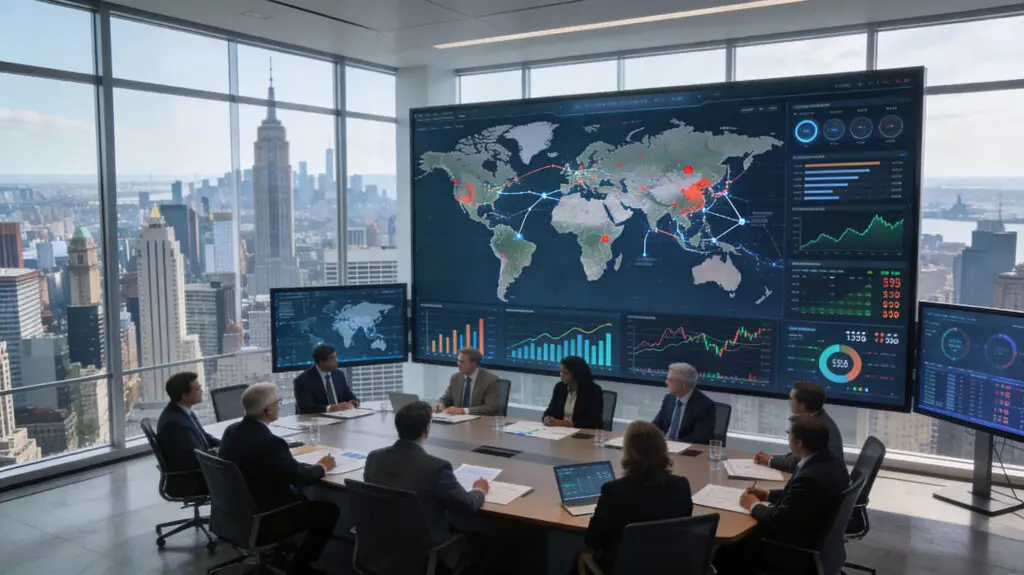
The IMF says that rising trade tensions could hurt the global economy’s ability to keep growing in the next few years. Tariff threats and unclear policies could make investors less confident and hurt supply chains that cross borders.
The fund says that renewed protectionism could make things more uncertain and make financial markets around the world more volatile. These kinds of pressures could mess up logistics networks, commodity prices, and business planning decisions.
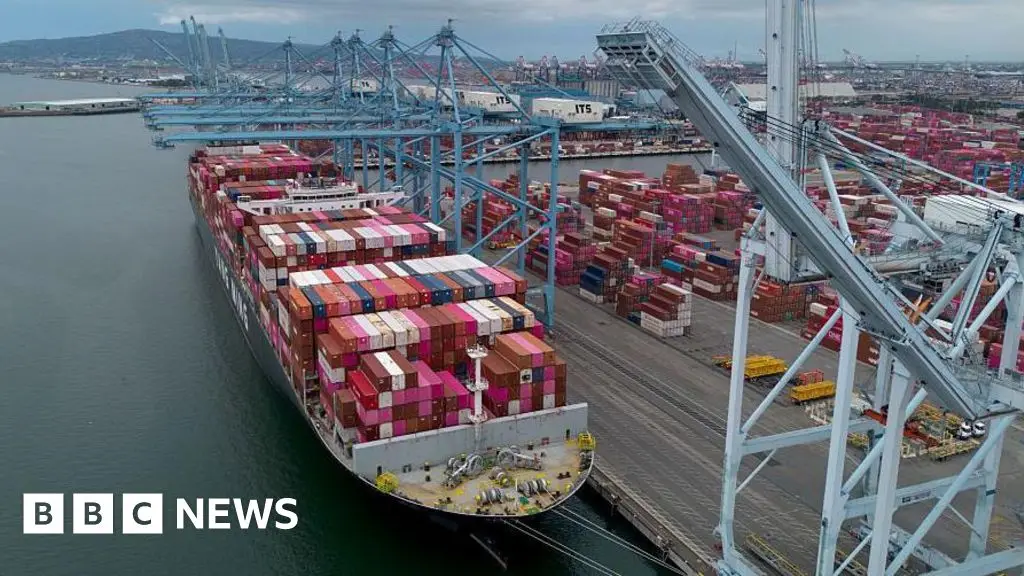
Source: BBC/News
Global Economy Remains Resilient Despite Mounting Political Risks
The IMF says that the world economy will grow by 3.3% this year, which is a little more than what was expected. Economic activity has handled shocks from earlier trade problems better than expected.
Officials say that investments in technology and lower inflation have boosted demand in many areas. But being resilient doesn’t mean you can’t be hurt by sudden changes in policy or the market.
Artificial Intelligence Boom Poses Correction and Debt Risks
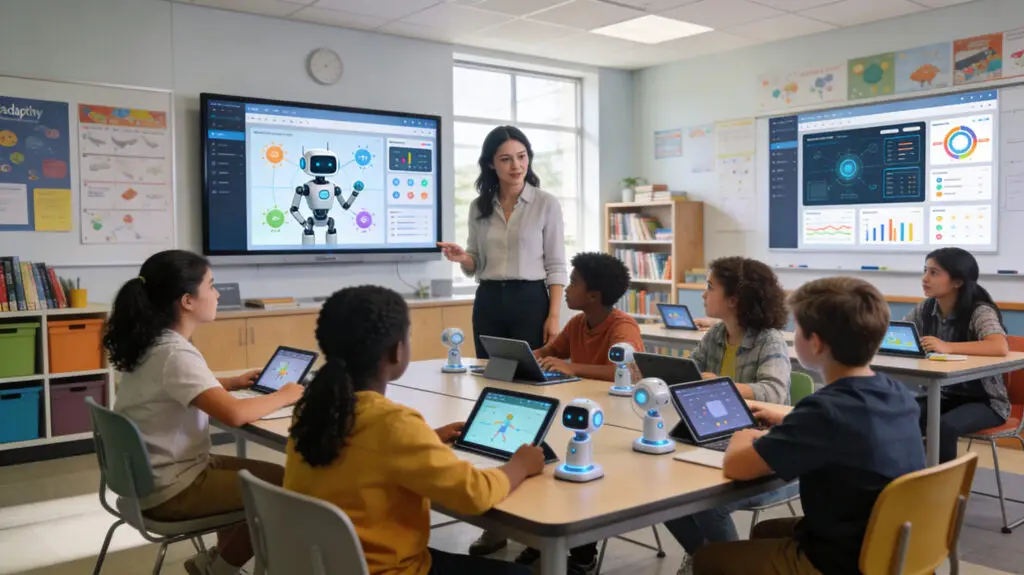
Strong investment in artificial intelligence has helped the world economy grow a lot. Gains in the equity market linked to AI have also made people and businesses richer.
The IMF warns that too much optimism could lead to sudden changes in the market. Even small drops in sales can make people buy less and make companies cut back on their plans to invest.
Recommended Article: ABET Launches STEM Sustainability Microcredential for Learners
Wealth Effects Amplify Potential Impact of Market Reversals
Recent increases in wealth in advanced economies have been mostly due to rising share prices. This makes businesses and consumers more sensitive to drops in the financial market.
Economists at the IMF say that lower asset values could quickly change how people spend their money. Less spending and delayed investment could slow growth more than expected.
Trade Disputes Add Pressure to Already Fragile Outlook
The IMF says that rising trade disputes are a constant global threat that goes beyond AI. Tariff wars could make things even more uncertain and make people less likely to invest for the long term.
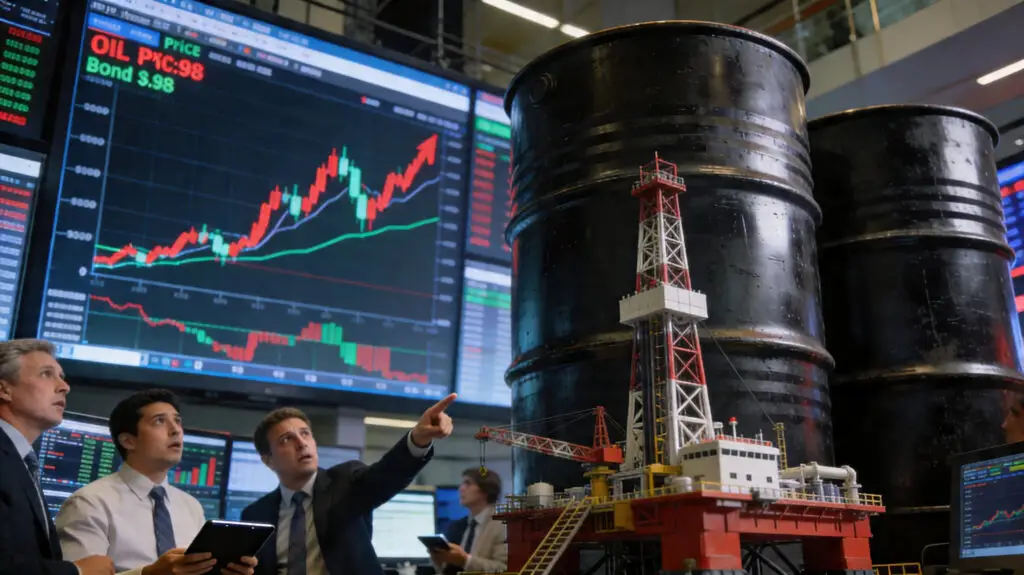
Geopolitical tensions could also mess up energy markets and supply chains. In a global economy that is already weak, these kinds of shocks would make things worse.
Central Bank Independence Deemed Vital for Stability
The IMF says that keeping the independence of central banks is very important for the stability of the economy as a whole. Political interference could make it harder to control inflation and trust in policies.
Without independence, economies may move toward fiscal dominance and higher borrowing costs. Historical evidence shows that these kinds of outcomes hurt growth in the long run.
IMF Urges Policymakers to Manage Risks Proactively
The IMF asks governments to make it easier for trade to happen and to keep their policies clear. It is also thought to be very important to carefully manage AI driven investment cycles.
Keeping institutional independence and financial stability is still important for keeping growth going. If these risks aren’t dealt with, recent economic gains could quickly go away.