


Fake AI Video Of Mayor Triggers Political And Public Concern
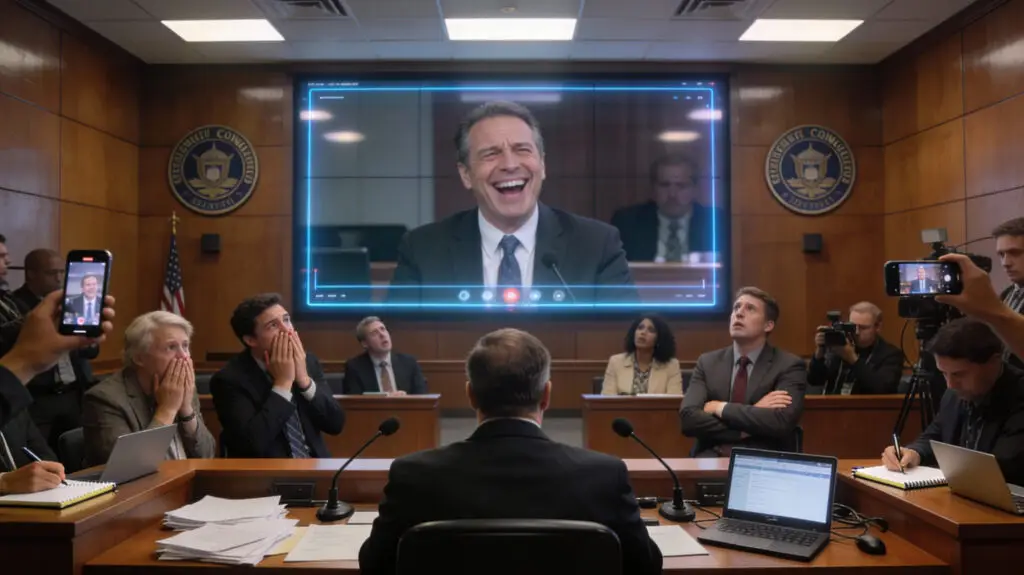
A fake video of Gloucester mayor Ashley Bowkett caused immediate disruption in local politics. The video falsely showed him laughing in the council chamber while ignoring questions about missing public funds. Its rapid spread raised concerns about the use of AI in local government and democratic processes.
The incident drew wider attention because it intersected with Gloucester City Council’s ongoing financial problems and bailout request. Critics warned that such content can confuse the public during sensitive fiscal debates. The video’s realism blurred lines between satire, misinformation, and deliberate political manipulation.
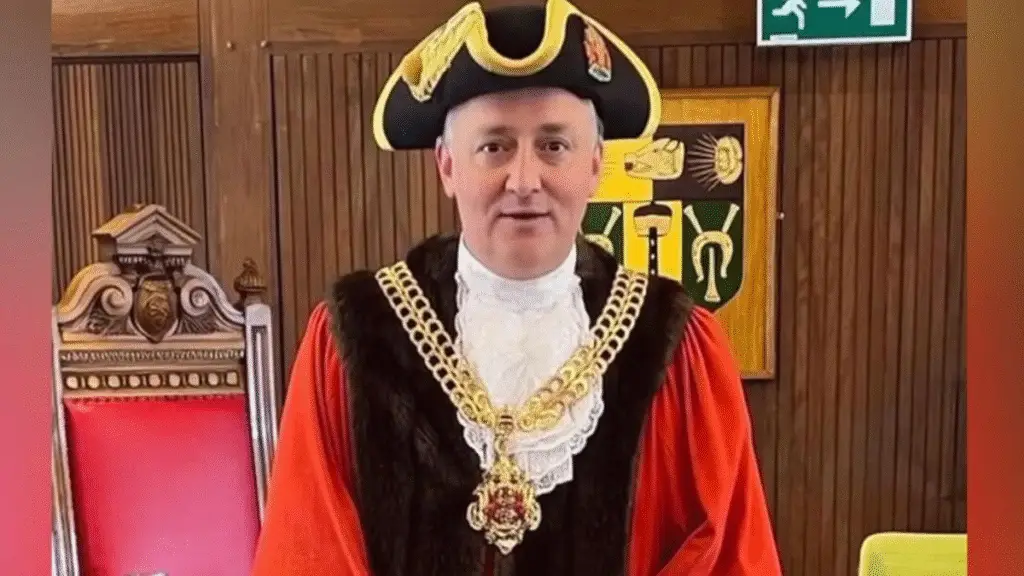
Source: BBC/Website
Councillor Defends Video While Critics Question Ethical Boundaries
Independent councillor Alastair Chambers said he created the video but denied that it was a harmful deepfake. He described it as a recreation expressing disagreement over when to hold debates on the city’s finances. Chambers argued the content reflected political frustration rather than an attempt to deceive voters.
Opponents said intent matters less than impact when AI visuals mislead audiences. They stressed that digitally created content often appears authoritative regardless of disclaimers. When officials seem to say things they never did, public trust can erode rapidly.
Former Mayor And Council Leaders Demand Clearer AI Standards
Former Gloucester mayor Kathy Williams said AI tools require higher professional standards in political use. She stressed that the ceremonial role of mayor should remain separate from partisan manipulation. Williams said AI has benefits but warned misuse could damage institutions over time.
Council leader Jeremy Hilton described the video as “psychological bullying” directed at a sitting mayor. He said such tactics distract from policy debates and undermine respectful democratic discourse. The Liberal Democrats formally condemned the video and called for accountability.
Recommended Article: South Korea Enacts World First Comprehensive AI Safety Law
Technology Experts Warn Society Is Falling Behind AI Advances
Digital literacy advocates say AI development is moving faster than public awareness and legal safeguards. James Vincent of Digital Resistance said people increasingly struggle to distinguish real from fake media. He warned that deepfakes are becoming more convincing, placing vulnerable groups at higher risk.
Vincent called for clearer legal protections preventing politicians from deploying deceptive AI content. He argued existing frameworks fail to match the accessibility of modern AI tools. Without action, misinformation could spread unchecked during elections or fiscal crises.
Debate Highlights Ambiguity Between Satire Protest And Deception
Chambers said the video aimed to provoke discussion rather than intentionally mislead voters. He said he later reconciled with the mayor, downplaying claims of lasting harm. Supporters argued political satire has long exaggerated leaders’ behavior to make points.
Critics countered that AI fundamentally alters satire by replicating reality itself. Traditional parody is recognizable, while AI recreations can appear indistinguishable from real footage. This ambiguity complicates ethical judgment and regulatory response.
Government Scrutiny Grows Over Political AI Content
The controversy coincided with national debates about AI use on major digital platforms. The UK government has updated the Online Safety Act to strengthen enforcement against harmful online content. Ministers said additional measures targeting AI misuse remain under consideration.
Officials still face uncertainty over how political deepfakes should be defined and enforced. Legal experts warn overly broad rules could restrict free expression. Policymakers continue searching for balance between innovation, speech rights, and democratic integrity.
Incident Fuels Calls For National AI Political Safeguards
Observers say the Gloucester case exposes vulnerabilities extending beyond local politics. Manipulated media can rapidly shape public opinion during economic stress or elections. Once trust in civic institutions is damaged, rebuilding it is difficult.
Calls are growing for national rules governing AI use in political communication. Proposals include mandatory labeling, consent requirements, and penalties for deceptive content. Until safeguards exist, similar incidents may continue challenging democratic norms and public confidence.