

Festival Attendance Highlights Strong Demand for Cultural Business Events
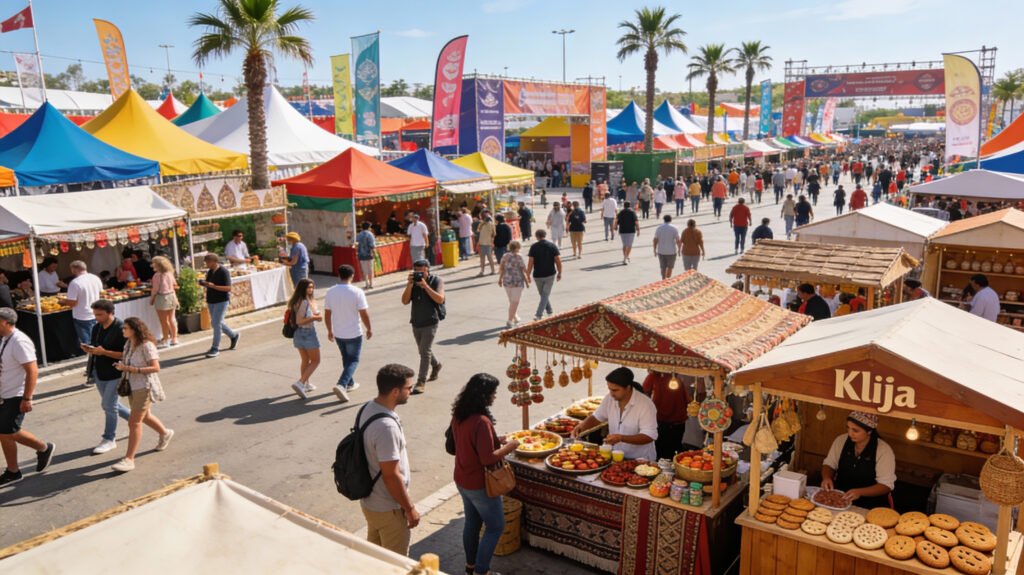
More than half a million people came to the 17th Klija Festival in Buraidah, which lasted for fifteen days and was a cultural celebration. A lot of people came to the event, which showed that there is a lot of interest in heritage-based events that help businesses and build community identity. The festival showed that cultural traditions can keep people involved in the economy and society over time.
Organizers said that there was a steady flow of people through the exhibition zones, food areas, and small business pavilions every day. This demand gave vendors and service providers who took part a chance to make money directly. The event made Buraidah even more of a center for heritage entrepreneurship in the region.
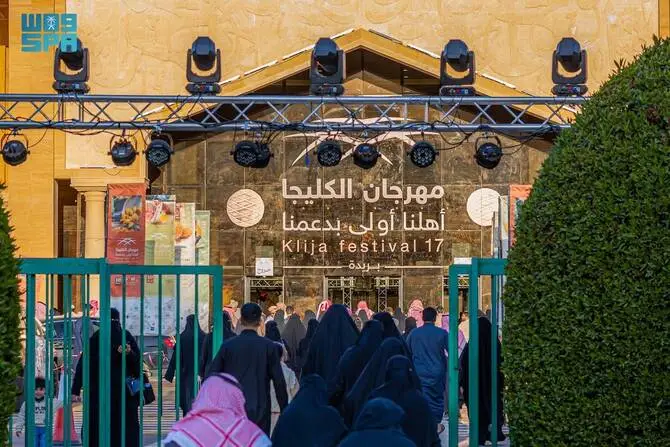
Source: Arab News/Website
Small Businesses Gain Exposure Through Dedicated Festival Platforms
The festival gave small businesses structured ways to show off their goods to a wide range of people. Entrepreneurs used marketing corners and points of sale to talk to customers directly. Businesses were able to test products, improve their branding, and reach more customers thanks to this visibility.
Family-run cottage industries, artisans, and startups were very important in the festival pavilions. These exhibitors showed off traditional foods, handicrafts, and heritage goods that showed off Qassim’s cultural identity. The setup encouraged real stories and made people trust local brands.
Seasonal Employment Supports Youth and Local Labor Markets
Festival operations created more than 1,500 seasonal jobs in marketing, logistics, and service roles. These chances helped young men and women who wanted to get some work experience for a short time. Local governments praised the festival for helping people get jobs and improve their skills.
The people in charge stressed that getting young people involved was key to connecting culture with the creative economy. Participants learned about customer service, event planning, and marketing activities. This experience made people more employable and helped the country’s goals for developing talent.
Recommended Article: Yucatan Accelerates Industrial Infrastructure to Attract Investment
Economic Impact Strengthens Regional Commercial Activity
Festival managers said that concentrated consumer engagement led to more business activity. Businesses could talk to buyers and institutional partners directly through open marketing channels. This structure helped participants make more money in the short term and the long term.
The meeting of SMEs, families, companies, and institutions encouraged people from different fields to work together. These kinds of interactions helped people share information and form partnerships that helped small businesses stay in business. The model showed that events that are culturally based can have economic benefits that can grow.
Klija Cookie Ties Heritage to the Modern Market
The traditional cookie Klija is still a big part of the festival’s cultural and commercial identity. It is made with wheat flour, date syrup, and other natural ingredients, and it is a part of the region’s culinary history. Modern consumers are more likely to buy the product because it is healthy and real.
Klija has reached audiences all over the world, not just in the Qassim region, through festivals. Packaged versions have made it easier to get them while keeping the old ways of making them. This balance helps protect cultural heritage while also allowing businesses to grow.
International Participation Elevates Festival Profile
This year’s event had participants from Egypt, Turkey, and Morocco, which shows that more people from other countries are getting involved. The addition turned the festival into a place for people from different cultures to meet and share ideas. Organizers called this change a big step forward in cultural diplomacy in the region.
Bringing in international vendors gave customers more options and helped local businesses learn from each other. It also made the festival look like a good place for foreigners to come in the future. This variety made the event more important and visible around the world.
Rebranding Signals Ambition for Global Economic Influence
Starting next year, officials agreed to change the name of the event to the International Klija Festival. The choice shows a desire to turn local projects into global economic models. Leaders said the festival was proof that growth can happen from the ground up.
The new name fits with long-term plans to connect heritage, innovation, and outreach to other countries. It wants to bring in more partners, audiences, and investment opportunities. The festival is now a model for cultural events that help the economy grow in a way that lasts.