


Abu Dhabi Talks Mark Rare Trilateral Diplomatic Engagement
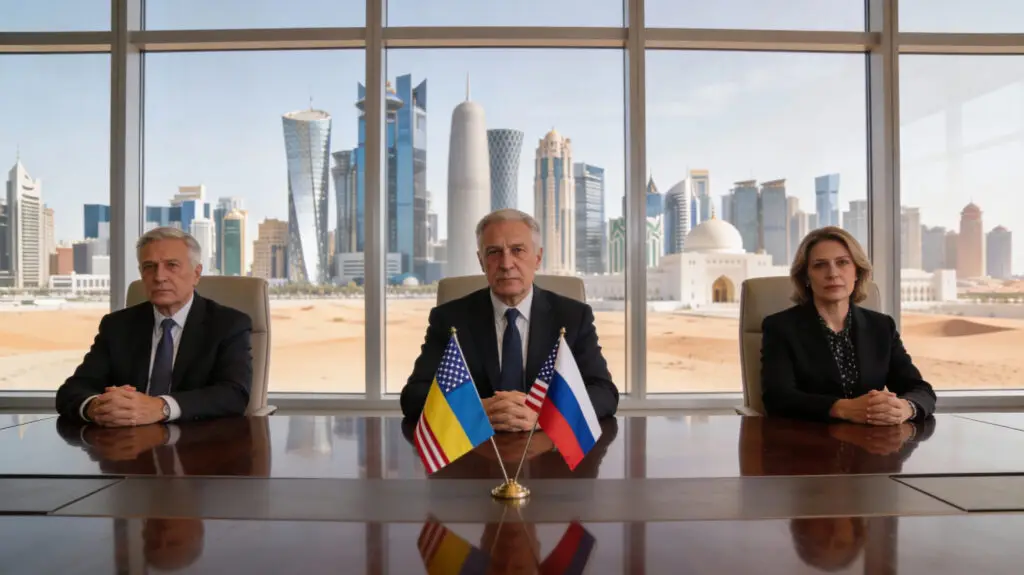
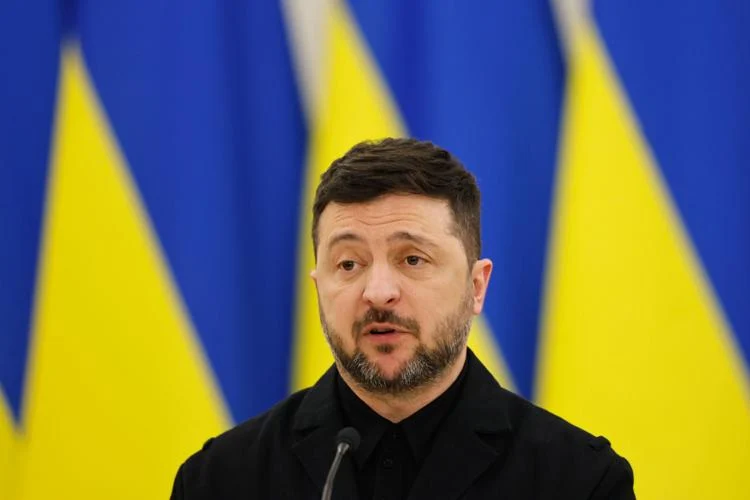
President Volodymyr Zelenskyy of Ukraine said that the recent trilateral talks in Abu Dhabi were helpful. After years of indirect wartime diplomacy, representatives from Ukraine, Russia, and the United States met in person at the meetings. Even though no agreements were made right away, the people who took part agreed that talking to each other in person was important.
Zelenskyy said that the talks were mostly about coming up with possible ways to end the long-running war. At the end of the talks, everyone agreed to talk to their leaders in their own capitals. It was said that more coordination was needed to keep the momentum going toward possible follow-up meetings.
Source: Bozeman Daily Chronicle/Website
Focus Centers On Ending War And Future Parameters
Zelenskyy said that the main idea was to look into ways to end hostilities. Reports say that these frameworks included territorial security and political guarantees that all sides wanted. Negotiators did not make any public promises, but they did stress that they were open to more talks.
Military representatives also pointed out certain problems that need more in-depth technical discussion. These issues are likely to affect the agendas for the next round of talks next week. Zelenskyy said that structured follow-ups would be the only way to know if progress can really be kept up.
United States Plays Key Mediating Diplomatic Role
The talks were set up with a lot of help from the United States, which wanted to see real progress. Washington wants to see if there is a way to reach a compromise while keeping the pressure on both sides. Officials in the U.S. have framed mediation as part of a larger effort to make peace.
The American envoy’s comments showed hope, but they also said that there are still some issues that need to be worked out. U.S. officials think that making disagreements smaller could open the door to bigger talks about a ceasefire. This approach shows that Washington wants to show that it can lead diplomatically even when the world is watching.
Recommended Article: Japan Calls Snap Election as Takaichi Seeks Stronger Mandate
Russian Ukrainian Engagement Remains Limited But Notable
In this conflict, it is still very rare for Ukrainian and Russian delegations to talk to each other directly. The talks in Abu Dhabi were an exception to almost 4 years of fighting. UAE officials said that face-to-face talks dealt with issues that were still open in the peace proposals.
Even though they were involved, Russian officials were still careful about what they said in public after the talks. Moscow showed that it was willing to talk more without giving up its main territorial claims. This cautious tone was different from Kyiv’s more openly positive view of the talks.
Airstrikes Overshadow Diplomacy With Renewed Violence
The talks came after Russian airstrikes hit Ukrainian cities overnight in the middle of a freezing winter. Attacks hurt power infrastructure, which affected millions of people in the Kyiv and Kharkiv regions. This escalation made it clear how fragile the situation was for diplomatic efforts.
The foreign minister of Ukraine called the attacks “cynical” and “barbaric.” The attacks made the case stronger that diplomacy needs to address civilian safety right away. They also put more pressure on the Ukrainian government at home while negotiations were still going on.
Territorial Dispute Remains Major Unresolved Obstacle
Russia’s demand about the eastern Donetsk region is still a major problem. Russia wants Ukraine to give up the rest of its land, but Kyiv refuses to recognize the occupation. Most countries still see Donetsk as part of Ukraine’s territory.
Zelenskyy has made it clear that the issue is about people, not just legal boundaries. Civilians who live in occupied areas are still very important to Kyiv’s negotiating position. This human aspect makes it harder to reach a compromise, even with pressure from international mediators.
Prospects Depend On Sustained Pressure And Coordination
The Trump administration is putting more and more pressure on Kyiv to make concessions. U.S. officials say that practical compromises could speed up a full peace deal. Russian leaders, on the other hand, have said they do not think there will be any big breakthroughs in the near future.
Zelenskyy is cautiously optimistic and stresses that the parties involved in the negotiations need to keep working together. The next week could show if constructive talk leads to real action. People who are watching say that sustained engagement is still very important, even though violence and mistrust are still high.