


Google Play Enforces VASP Registration For Crypto Platforms In Korea
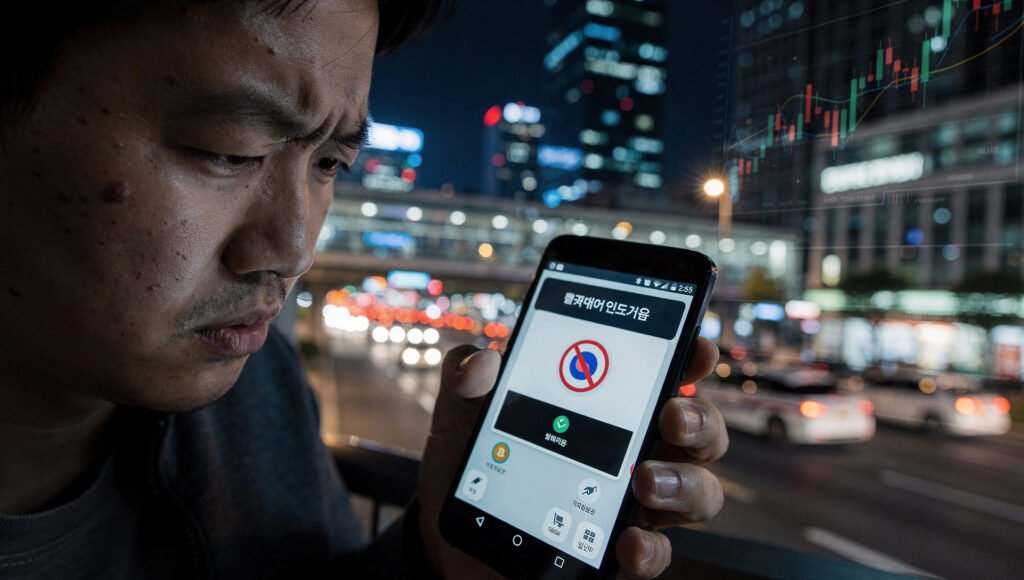
Google said that cryptocurrency platforms must now register with Korean authorities as virtual asset service providers in order to follow the new rules. The policy covers all wallet and exchange apps that are available for download from the Google Play Store across the country. Starting January 28, platforms that do not follow the rules will lose access.
The decision comes after South Korea’s Financial Intelligence Unit looked more closely at unlicensed digital asset services. Google said that compliance protects consumers, makes finances clear, and follows national anti money laundering rules. Domestic regulators liked the measure because it strengthens the rules that are already in place for digital assets.
Source: Venture Burn
Overseas Cryptocurrency Exchanges Face Removal From South Korean App Store
Binance, Bybit, and OKX are some of the global exchanges that still do not have the proper Korean financial regulatory licenses. For Android users in South Korea, their apps will not be able to be installed or updated. Current users may still be able to use the service for a short time, but updates will no longer be available.
Foreign exchanges find it almost impossible to register because they have to meet strict cybersecurity infrastructure requirements. Companies must set up local branches, get security certifications, and go through thorough regulatory audits. It has been said that a number of exchanges stopped trying to register because the costs of compliance were too high.
Domestic Exchanges Benefit From Restricted Competition Within Korean Market
There are only 27 platforms that are registered in Korea that meet the country’s rules for digital asset operations. Upbit and Bithumb are two of the biggest domestic exchanges that handle the most trades and sign up the most customers. Less competition from other countries makes their market share much stronger.
After the ban goes into effect, analysts think that more users will move to Korean exchanges. If there are not many platforms to choose from, liquidity may move to fewer domestic markets. Critics say that less competition could hurt innovation and raise the cost of trading for consumers.
Recommended Article: Oobit Integrates Phantom Wallet to Link Solana With Visa AI
Android Users Retain Browser Access To Overseas Exchanges Temporarily
Google made it clear that the policy only applies to the distribution of mobile apps through its official store. Users can still use web browsers on their phones or computers to access foreign exchanges. This workaround lets you keep trading without having to install native apps.
However, regulators hinted that future restrictions could include browser based services if companies keep breaking the rules. People who watch the industry also think that Apple’s App Store might have similar rules. This kind of growth would make Korean crypto markets even more separate from global platforms.
Regulatory Background Reflects South Korea Strict Digital Asset Controls
In the past, South Korea did not let unregistered exchanges offer Korean language services or advertise in the country. The government also told foreign platforms that they could not handle transactions in Korean won. The goal of these steps was to stop capital flight and take advantage of consumers.
After a number of well known cryptocurrency failures, the government is putting a lot of stress on protecting investors. Regulators think that stricter rules will cut down on fraud, market manipulation, and other illegal financial activities. South Korea still has some of the strictest rules for trading cryptocurrencies in Asia.
Crypto Investors Explore Risky Workarounds Following Application Restrictions
Local news reports that traders are talking more and more about how to use VPNs and install APKs. These methods let you get around Play Store restrictions, but they also put your devices at a lot of risk from malware. Cybersecurity experts strongly advise against these kinds of actions.
Unverified application files often have hidden spyware or software that steals your credentials. Authorities told users that if they lose money because of installing software without permission, the law does not protect them very well. Education campaigns are meant to deal with growing worries about safety.
South Korea Crypto Market Remains Globally Significant Despite Limitations
More than 10 million people in the country use cryptocurrencies, which is about 20% of the population. As of mid 2025, official data says that the domestic crypto market is worth 95 trillion won. The average daily trading volume is more than 4 billion dollars.
Even though there are limits, institutional investment and blockchain development are still growing in the US. Regulators want to find a middle ground between innovation, financial stability, and consumer protection. South Korea’s rules are having a bigger and bigger effect on how other countries in the region regulate cryptocurrencies.