


Avikus Secures Record Autonomous Navigation Contract With HMM Fleet
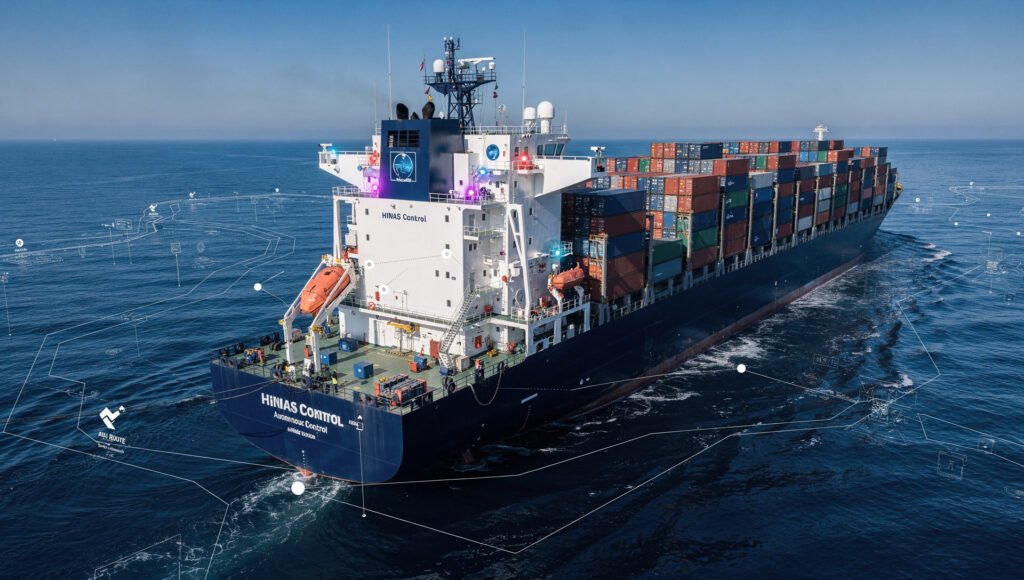
Avikus made a big deal to give 40 ships run by HMM its HiNAS Control autonomous navigation system. This deal is the biggest single commercial contract ever signed for the use of autonomous maritime navigation technology around the world. Industry experts say the deal shows that people are becoming more confident in using AI in shipping operations around the world.
The contract makes Avikus the first company to have more than 100 autonomous navigation installations on large commercial ships. Executives said that the milestone showed that years of research, testing, and working with regulators in conservative maritime settings had paid off. The deal includes installing retrofits on many different types of ships in HMM’s long-haul container fleet.
Source: Marine Technology News
HiNAS Control System Enables Active Autonomous Vessel Steering Operations
HiNAS Control is different from other navigation software because it actively makes decisions about steering, speed changes, and route optimization. The system uses sensor data, radar input, and satellite positioning to control the ship’s movements on its own. Engineers say the platform is a Level 2 autonomy solution that can make decisions on its own and carry them out.
Avikus said that the technology cuts down on human error by quickly responding to changes in the environment and the risk of collisions. The software finds the best routes while still following international maritime safety rules. During autonomous operation phases, developers stressed that the crew on board should still be supervisors and not the main navigators.
Artificial Intelligence Enhances Maritime Safety and Collision Prevention
HiNAS Control uses machine learning algorithms that have been trained on large sets of real-world maritime traffic and environmental data. These algorithms can find ships, obstacles, weather patterns, and areas where access is limited in real time. The system then makes immediate changes to the navigation to avoid getting too close to danger or making unsafe moves.
Experts in safety said that autonomous situational awareness makes nighttime operations and navigation in low visibility situations much better. AI processing lets you keep an eye on things all the time without getting tired or distracted like human crews do. More and more maritime insurers see these kinds of systems as safety investments that lower risk for fleet operators.
Recommended Article: Google Adds Personal Intelligence Tool for Gemini AI Users
Autonomous Routing Improves Fuel Efficiency and Voyage Cost Management
Avikus said that the system automatically chooses routes that use the least amount of fuel while still meeting delivery deadlines and safety margins. Speed optimization algorithms change how much power is sent to the propellers based on the weather and how busy the water is. These changes can help big container ships cut down on their emissions and operating costs.
HMM says that ships that take part could save several percentage points on fuel each year. Even small improvements in efficiency can save shipping companies millions of dollars around the world. Sustainability analysts say that these cuts also help with the goal of decarbonizing international shipping.
Agreement Includes Strategic Cooperation on Future Maritime Technologies
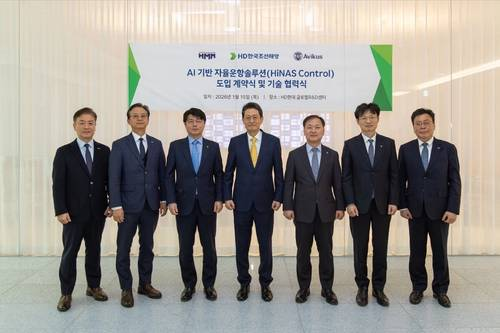
In addition to the supply contract, Avikus also signed a three way agreement with HMM and HD Korea Shipbuilding. The goal of the partnership is to improve standards for autonomous navigation in international commercial shipping markets. Each company will bring knowledge in areas like software development, running ships, and integrating shipbuilding processes.
HMM will give operational voyage data to improve the accuracy and dependability of the system. HD Korea Shipbuilding will help with hardware compatibility and the long-term needs of the technical infrastructure. Avikus will be in charge of making software better and improving the performance of artificial intelligence.
Contract Highlights Growing Acceptance of Autonomy in Commercial Shipping
Experts in maritime technology say that the deal is a turning point for major carriers’ acceptance of autonomous vessels. Shipping companies have historically been against automation because they were worried about safety and did not know what the rules were. This contract shows that institutions are becoming more confident in mature autonomous navigation frameworks.
Regulatory agencies have made more and more rules that support phased autonomy implementation on commercial fleets. People who watch the shipping industry think that European and Middle Eastern shipping companies will sign similar contracts. Newly built container ships may soon come with autonomous navigation as standard equipment.
Avikus Strengthens Leadership Position Within Global Maritime Innovation Sector
The company now has the most autonomous navigation systems installed on ships of any commercial shipping company in the world. This benefit makes it possible to improve algorithms more quickly by adding more operational data feedback loops. Analysts think that in the near future, competitors will have a hard time matching Avikus’s deployment scale.
HD Hyundai executives said that Avikus is a key part of their long-term plan for smart ships. Plans for the future include platforms for monitoring fleets from afar and higher levels of autonomy. The goal of the company is to be the world’s leading supplier of smart maritime navigation technology.