Chen Urges Faster Taiwan Canada Trade Agreement Negotiations
Chen Ming-chi, the Deputy Foreign Minister, told Canada to speed up talks about a trade agreement between the 2 countries. He said that better economic cooperation would make supply chains more resilient, increase investment flows, and improve long-term regional competitiveness. Chen made the comments during an interview with Canada’s public broadcaster in Taipei this week.
He said that both economies face growing uncertainty due to global protectionism and politically driven supply chain disruptions. Chen said that formal trade frameworks create stability, predictability, and trust for private sector investors on both sides. He added that Taiwan remains committed to transparent, rules-based international trade engagement.
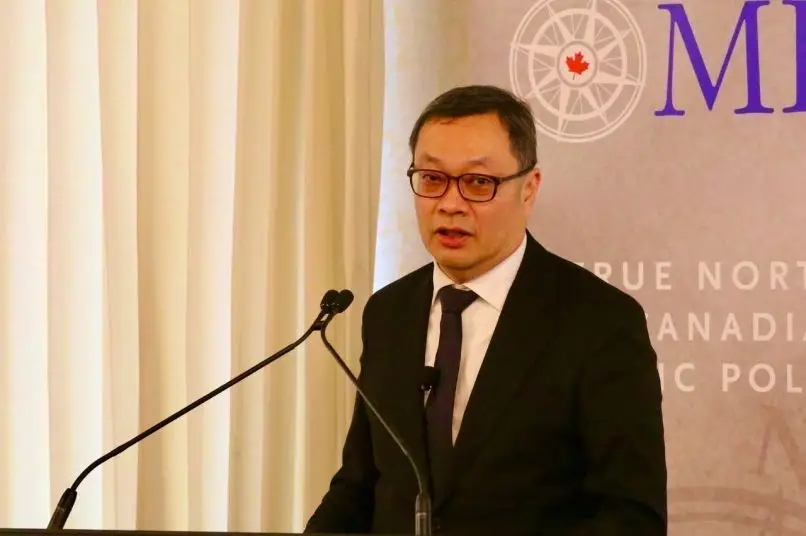
Source: Taiwan Today
Taiwan Highlights Canada Role in Indo Pacific Diversification Strategy
Chen said that the proposed deal aligns closely with Canada’s Indo-Pacific strategy, which promotes diversified trade partnerships. He said Taiwan wants to reduce dependence on any single market as global economic conditions evolve. This approach helps industries remain stable when facing political pressure or sudden trade restrictions.
He also said economic diversification strengthens national security while upholding principles of fair competition and open markets. Chen said Taiwan respects each country’s right to choose its own trade partners. He warned that excessive reliance on major economies increases long-term vulnerability.
Economic Cooperation Built on Strong Trade Foundation
Chen said Taiwan and Canada share a long history of business and industrial cooperation across multiple sectors. He noted that bilateral trade volumes continue to grow steadily despite global market volatility and diplomatic complexity. This existing foundation supports deeper formal cooperation through structured legal frameworks.
He said Taiwan is now Canada’s 6th largest trading partner in Asia. Recent government data shows Taiwan is Canada’s 15th largest trading partner globally. These figures highlight increasing integration across technology manufacturing and services sectors.
Recommended Article: Carney China Visit Signals Major Shift in Canada Trade Strategy
Proposed Agreement Covers Green Energy Healthcare and Technology
According to published information, negotiations have already reached consensus on several key industry areas. These include renewable energy development, healthcare innovation, digital infrastructure, and advanced manufacturing technologies. Chen said these sectors support competitive innovation and long-term economic growth.
He added that joint investment frameworks would help firms scale operations and collaborate more effectively on research. Shared standards reduce regulatory friction and make cross-border business easier for emerging industries. This supports job creation, productivity gains, and technology sharing for both sides.
Chen Warns Against Political Influence Through Trade Dependence
Chen warned that China has historically used diplomacy and trade as tools to exert political influence. He urged countries to carefully assess exposure to economic coercion disguised as commercial incentives. Excessive dependence undermines independent decision-making during international conflicts and crises.
He said diversified partnerships strengthen negotiating leverage and protect democratic policy autonomy. Taiwan supports pragmatic risk management through strategic cooperation and distributed trade networks. This model reduces the risk of sudden market access restrictions or diplomatic retaliation.
Shared Democratic Values Support Deeper Partnership Vision
Chen said Taiwan and Canada share commitments to human rights, freedom, and democratic governance. He said these values should naturally extend to economic governance and open regulatory systems. Mutual trust makes it easier to negotiate and enforce sensitive trade rules.
He said both governments support maintaining a rules-based international economic order. Taiwan seeks partnerships that are fair, accountable, and legally transparent. These principles help sustain long-term investor confidence and responsible business conduct.
Taiwan Commits to Pragmatic Long Term Bilateral Cooperation
Chen reiterated that Taiwan is ready to work constructively with Canada to complete the agreement as soon as possible. He said ongoing dialogue shows mutual seriousness, even though procedural timelines remain unclear. Continued engagement builds political support among industries and policymakers.
He concluded that economic partnerships enhance long-term regional stability beyond short-term commercial gains. Taiwan views Canada as a reliable partner within broader democratic economic cooperation networks. Formalizing trade relations would demonstrate mutual trust and shared commitment to long-term development goals.