



Parliament Votes Fail to Topple Government Over Trade Agreement Row EU
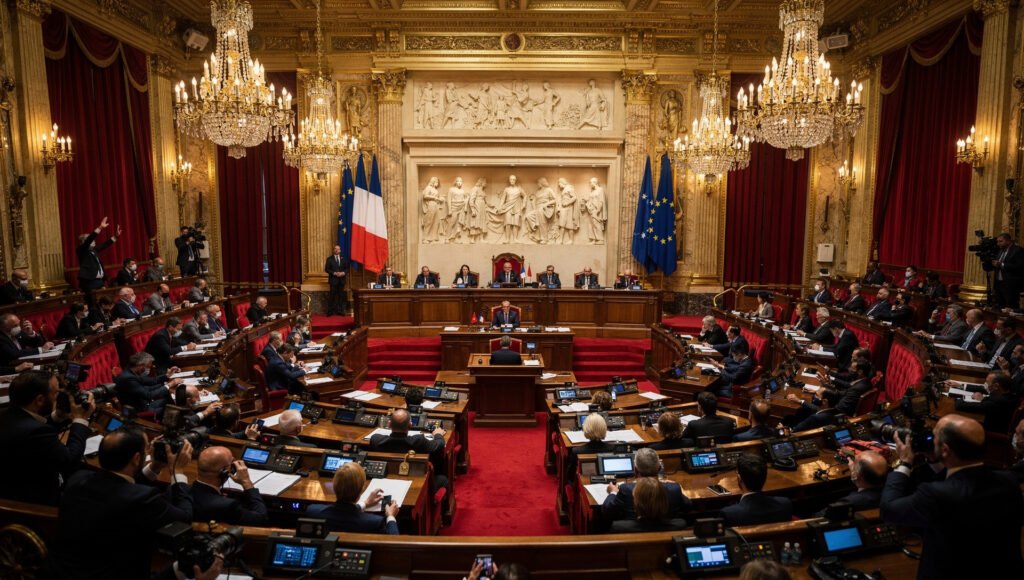
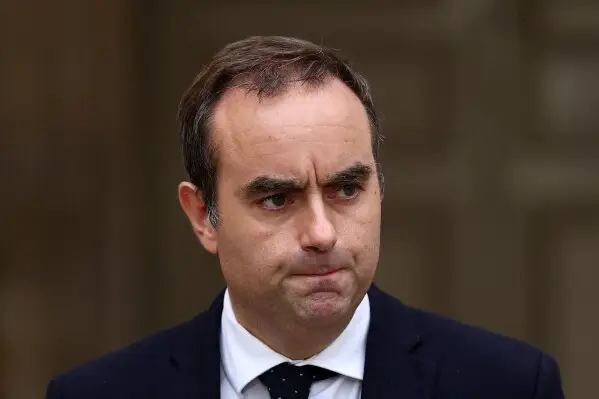
2 votes of no confidence in the parliament were aimed at Prime Minister Sebastien Lecornu’s government’s trade policy, but he survived them. Lawmakers on both the far right and the hard left introduced motions against the European Union Mercosur agreement. The votes got rid of immediate political uncertainty and let the cabinet get back to negotiating the budget.
Even though France strongly opposed it, EU member states agreed to the trade deal with South American countries. Opposition leaders said that the government was giving up the country’s interests to economic pressure campaigns from Brussels and Washington. Lecornu said that the votes were a waste of time that could have been better spent stabilizing the economy and dealing with problems in other countries that were affecting France.
Source: AP News
Far Right and Left Unite Against EU Mercosur Trade Framework Vote Clash
National Rally and France Unbowed both sent motions to the European Parliament that criticized the way the trade agreement talks were going. Lawmakers said the deal threatens the long-term standards of the farming industry and the stability of jobs in the US as a whole. Socialist and conservative parties wouldn’t back the motions, which stopped them from passing in the parliament chamber.
Mathilde Panot, the head of the LFI, said that the cabinet was blindly serving rich elites and foreign institutions. She said that France was being made to look bad in front of the European Commission and the American political system. Ministers of the government denied the accusations and publicly defended continuing to work with European trade partners abroad.
Budget Showdown Delayed as Government Survives Confidence Challenge Tax
Lecornu said that problems in Parliament put off important discussions about the budget proposal for 2026. He said that fighting between politicians made it harder for France to quickly respond to shocks in the global economy. During times of crisis, ministers told lawmakers to put fiscal stability ahead of repeated confidence motions.
Legally, neither motion got the required majority in the National Assembly vote. The LFI motion got 256 votes, which wasn’t enough to get the required number of votes. The far-right proposal only got 142 votes in favor across the country, which is not a lot in terms of politics.
Recommended Article: Carney China Visit Signals Major Shift in Canada Trade Strategy
Budget Approval May Use Constitutional Powers Under Article 49 X
Officials said that the prime minister could soon legally use the Article 49 X procedure. This system makes it possible for finance laws to pass without a direct vote in Parliament, which is what is happening right now. This kind of action would probably lead to more no-confidence motions from opposition parties, which would be shown on TV again.
Sources in the government said that lawmakers want to quickly end weeks of budget deadlock before fears of a recession grow. France’s deficit is still close to 5%, which is worrying European fiscal regulators who are becoming more vocal about their concerns. Maud Bregeon, a spokeswoman, said that nothing is off the table to get final legal approval this year in the US.
Political Instability Complicates Deficit Reduction Efforts Since 2024
As eurozone fiscal rules get stricter again in the next few years, France will have to cut its deficits. Macron’s quick election in 2024 made the national parliament structure unstable and broken. Political deadlocks that happened over and over again recently around the world slowed down reforms and made investors less confident in all markets.
3 governments have fallen since the election because negotiations over budget compromises kept failing. Former Prime Minister Michel Barnier lost his job after a similar vote of no confidence was shown on national television. Lecornu’s survival gives some short-term stability, but the long-term risks are still not being dealt with politically, economically, socially, or institutionally.
EU Mercosur Trade Deal Sparks Unrest Among French Political Parties EU
The trade agreement includes the economies of Argentina, Brazil, Paraguay, Uruguay, and other South American partners. French farmers are worried that competition will drive down prices and quality in their country, which will hurt long-term stability across the country. Industrial groups also warned that unfair differences in regulations and access to markets would continue to exist in different regions.
Even though there was some opposition, Brussels got the go-ahead from most of the governments of the member states across Europe. France tried to stop the deal, but it didn’t have enough allies because it was divided internally, strategically, and diplomatically. Over the next few months, the deal will be put through the ratification process in national legislatures all over Europe.
Government Shifts Focus Toward Budget Talks After Survival Vote Result
Lecornu told ministers to quickly start talking to lawmakers again about fiscal legislation before the deadlines. During the first compromise drafting sessions, only the far right and hard left will not be allowed to talk. Centrist and conservative blocs are still very important for getting votes to pass in parliament later this month.
As political risk continues to affect the prices of French bonds across Europe, markets were cautious. Business groups called for a quick solution to restore investor confidence and predictability levels in the US and around the world. Lecornu said that stability depends on working together, even though there are ideological differences in parliament and the economy is under pressure around the world.