


Celebrities Bring Immigration Protest Onto Awards Stage
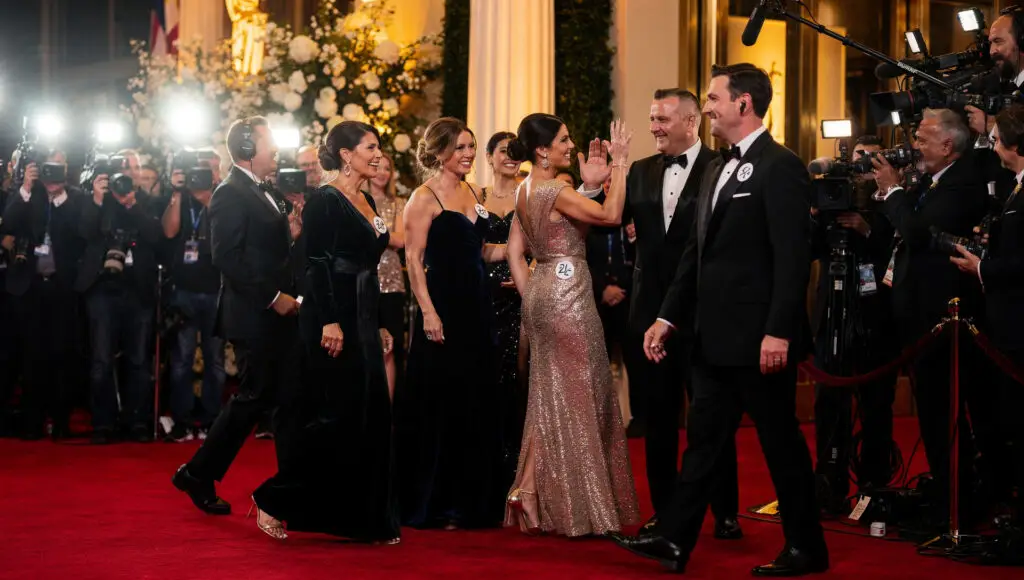
Several high-profile celebrities attending the Golden Globes used the red carpet to protest against U.S. Immigration and Customs Enforcement (ICE). The public display followed nationwide outrage after an ICE officer fatally shot Renee Good in Minneapolis. The gesture marked a major shift from the largely apolitical tone of last year’s ceremony.
Black-and-white pins with messages such as “BE GOOD” and “ICE OUT” appeared on the red carpet and during televised segments. The coordinated display ensured that the protest remained visible without disrupting the ceremony’s formal proceedings. Audiences quickly understood the symbolism, sparking widespread discussion across social media and major news outlets.
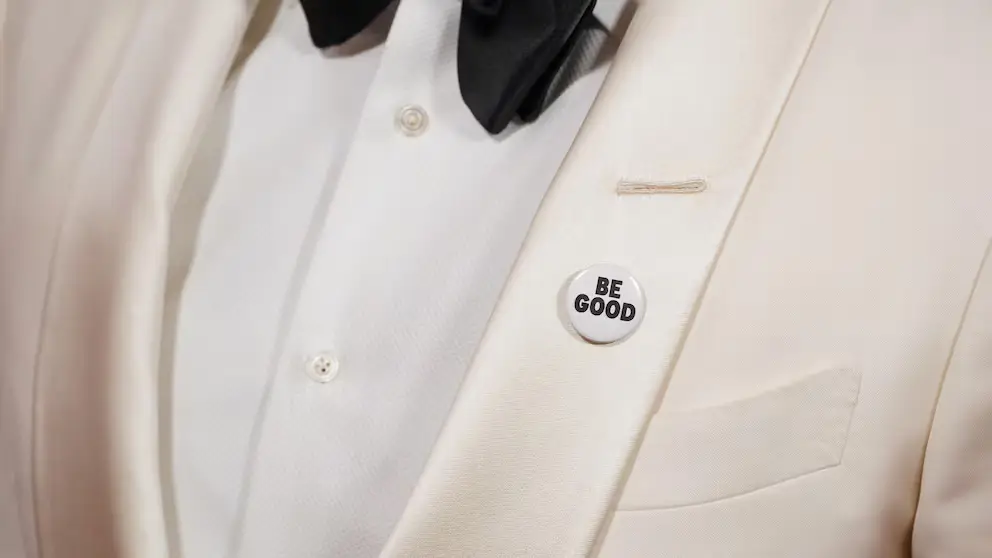
Source: ABC News
High-Profile Actors Amplify Calls for Accountability
Mark Ruffalo, Wanda Sykes, and Natasha Lyonne were among the first to wear the protest pins while posing for cameras. Later, Jean Smart and Ariana Grande appeared in the ballroom wearing the same symbols during the broadcast. Smart notably kept her pin on while accepting an award, amplifying the protest’s impact.
Supporters emphasized that celebrities possess platforms capable of reaching far wider audiences than grassroots activists alone. Their participation brought global attention to Renee Good’s case. Organizers argued that cultural visibility often accelerates accountability more effectively than isolated demonstrations.
Shooting Incidents Spark Nationwide Demonstrations
Renee Good was shot and killed during an ICE operation while sitting in her car in Minneapolis. The incident ignited nationwide protests demanding justice, transparency, and stronger oversight of immigration enforcement. Activists claimed her death reflected a broader pattern of excessive force and lack of accountability within federal policing.
Public anger grew after a separate incident in Portland, where Border Patrol agents injured two civilians during an operation. Demonstrations spread to multiple cities, at times leading to clashes with police. Minneapolis remained the focal point as ICE continued its largest enforcement operation to date.
Recommended Articles: Petro Reaffirms US Ties as Tensions and Rhetoric Escalate
Grassroots Organizers Bring Activism to Hollywood
Late-night discussions among labor and immigration rights advocates led to the creation of the protest pin campaign. Organizers deliberately chose the Golden Globes for its massive audience reach and cultural influence. They believed that using entertainment events as protest platforms could engage wider and more diverse audiences.
Throughout the awards weekend, volunteers quietly distributed pins at industry gatherings and pre-ceremony events. Attendees shared them with friends and colleagues, sparking conversations and further participation. Organizers said the effort was intentionally grassroots, avoiding institutional sponsorship to preserve authenticity.
Entertainment Industry’s History of Political Protest
Activists referenced earlier moments when artists used award shows to challenge social injustice. Past examples included performers who interrupted ceremonies to highlight marginalized communities. The Golden Globes protest was seen as part of this long-standing artistic tradition.
Organizers said that creative communities often respond instinctively during periods of heightened social tension. They argued that artists wield moral authority capable of shifting public discourse. This year’s protest continued that legacy through symbolic, highly visible expression.
Government Response and Federal Investigations
Following the Minneapolis shooting, members of Congress pledged stricter oversight of immigration enforcement. The FBI launched a formal investigation to determine whether civil rights violations occurred. Lawmakers underscored the need for greater transparency and accountability in federal law enforcement actions.
The Trump administration defended the ICE officer, claiming he acted in self-defense. Officials maintained that standard procedures were followed. Civil rights groups, however, rejected this justification, condemning the administration’s stance as dismissive of systemic abuse concerns.
Activists Plan Continued Pressure Beyond Awards Season
Organizers vowed to sustain their campaign throughout the upcoming awards season. They intend to keep attention on victims of ICE-related violence and their families. Sustained visibility, they argue, exerts ongoing pressure on institutions to reform.
Future efforts will focus on naming victims and providing direct aid to affected families. Organizers hope that celebrity participation will broaden community engagement. They believe justice movements are most effective when cultural influence and grassroots mobilization work together toward shared accountability.