U.S. Designates Maduro And Allies As Terrorist Organization
The Trump administration has formally said that Venezuelan President Nicolás Maduro and his government allies are part of a foreign terrorist group. The name refers to the so-called “Cartel de los Soles,” which is a name for networks of Venezuelan authorities who are said to be involved in drug trafficking.
The announcement on November 16, 2025, gives President Donald Trump further power to put fresh sanctions on Maduro’s assets and infrastructure that are connected to them. Legal experts, on the other hand, made it clear that the designation does not provide the go-ahead for deadly military action against Venezuela.
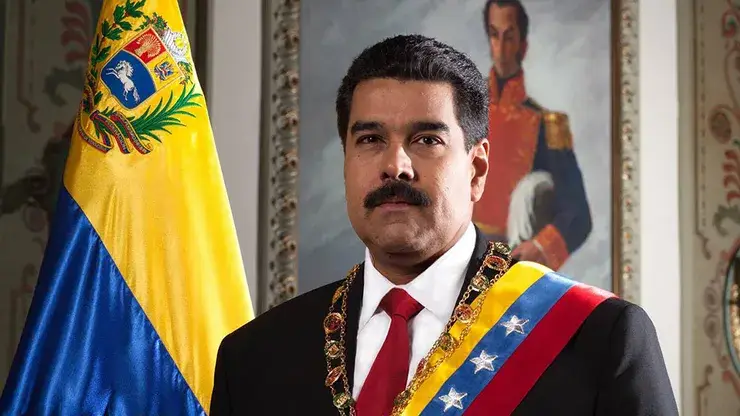
What The “Cartel De Los Soles” Designation Means
Many people think that “Cartel de los Soles” is a vague term for Venezuelan military personnel who are said to be involved in drug trafficking, not an organized cartel. Analysts say that the group’s name comes from the insignia that Venezuelan generals wear, not from a criminal organization.
Maduro has always denied being involved in illegal drug activities, saying that the accusations are politically driven. Officials in Venezuela have also denied that the cartel exists, saying it is a lie made up to justify U.S. involvement.
Operation Southern Spear Expands Military Presence
The name change comes at the same time as the start of “Operation Southern Spear,” a U.S. military effort to stop cocaine smuggling in the Caribbean. As part of this effort, the Pentagon has sent more than a dozen warships and about 15,000 troops to the area.
Reports say that U.S. soldiers have already attacked three ships that they think are involved in trafficking, killing hundreds of people. Officials in the administration say that the drive is necessary to break up drug trafficking channels that are said to be safeguarded by the Venezuelan government.
Recommended Article: Trump Supports Marjorie Taylor Greene Return To Politics
Trump Weighs Options For Direct Action In Venezuela
Senior officials said that President Trump has looked at many options for what the U.S. may do in Venezuela. These include bombings on military bases, raids by special operations forces, or keeping up diplomatic pressure without using action right away.
General Dan Caine, the chairman of the Pentagon’s Joint Chiefs, will head to Puerto Rico with David Isom, a senior enlisted adviser, to speak with troops who are stationed in the Caribbean. Their arrival shows that the U.S. military is becoming more involved in the area.
Public Opinion Remains Firmly Against Intervention
Even while tensions are building, the public is still strongly against the possibility of U.S. military intervention. A survey by CBS News and YouGov that came out on Sunday indicated that 70% of Americans don’t want the U.S. to become involved in Venezuela’s civil war, while only 30% do.
The study also found that many people are unhappy with how the government communicates. Seventy-six percent of respondents said the Trump White House has not adequately explained its policy goals for Venezuela.
Diplomatic Options Still On The Table
Officials maintain that Washington’s goal is to stop drug smuggling and illegal immigration, but regime change might happen as a result of economic and political pressure. Trump has said that further penalties may force Maduro to talk or step down on his own.
The president has also said he is open to talking, but only if the moment is perfect. Last week, he told reporters that Maduro “would like to talk,” and he may meet with the Venezuelan leader “at a certain time.”
Rising Tensions And Regional Fallout
The U.S. sent its biggest display of force near Venezuelan territory in years, which made things much worse. During the weekend, at least six U.S. planes, including B-52 bombers and F/A-18E fighter jets, flew near Venezuela’s coast to show their strength.
Three multinational airlines stopped flying to Venezuela after the U.S. Federal Aviation Administration warned about “potentially hazardous conditions” in Venezuelan airspace. The cancellations made the feeling of uncertainty in the area much worse.
A Turning Point In U.S.–Venezuela Relations
The terrorist label is a new step in Washington’s strategy toward Maduro’s administration, combining anti-terrorism talk with geopolitical pressure. The U.S. wants sanctions and deterrence to bring about change without war, but experts say this plan might make tensions in the area worse.
The designation establishes a precedent for how the U.S. may employ counterterrorism measures in political situations, making it much harder to tell the difference between military danger and diplomatic pressure.