Pichai Admits Irrationality Behind The AI Investment Boom
Alphabet CEO Sundar Pichai has cautioned that no firm will escape undamaged if the present AI bubble falls. Speaking to the BBC, he recognized “irrationality” underlying the boom in artificial intelligence investments driving the tech sector.
The recent AI-fueled rise has buoyed global tech equities, but worries of overvaluation have triggered turmoil. Pichai conceded that Google too would be harmed by a prospective correction, underlining that “no company is going to be immune.”

Market Turbulence Follows Global Concerns Over AI Valuations
Growing worry over overvalued valuations has caused sell-offs throughout global markets in recent months. Investors believe that excessive investing in AI companies and infrastructure may surpass realistic returns, leading to a sector-wide reset.
Despite these hazards, Pichai thinks that AI is a crucial long-term technological breakthrough. However, he encouraged caution and prudent investment to prevent the type of speculative bubble that has damaged earlier innovation cycles.
AI’s Massive Energy Footprint Raises Sustainability Challenges
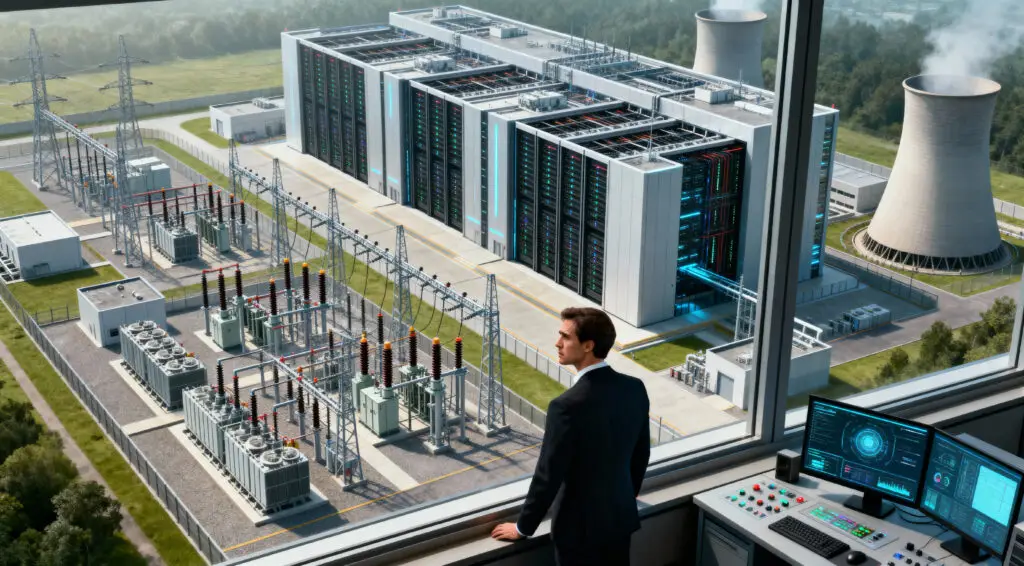
Pichai emphasized the “immense” energy requirements of artificial intelligence as one of its main difficulties. According to the International Energy Agency, AI accounted for 1.5% of worldwide power usage last year.
By 2030, AI’s computational footprint might reach 200 gigawatts yearly, similar to Brazil’s power demand. Pichai said quick action is required to boost sustainable energy sources and fortify infrastructure to accommodate demand.
Recommended Article: Paul McCartney Joins Silent Album Protesting AI Copyright
Alphabet’s Climate Goals Face Delays From AI Expansion
The Alphabet CEO recognized that AI’s power consumption might delay the company’s carbon neutrality aim. While Alphabet is committed to attaining net-zero emissions by 2030, Pichai warned progress may lag due to operational needs.
He noted that developing worldwide data centers and running complex AI models like Gemini demand tremendous resources. Nevertheless, he highlighted Alphabet’s commitment to clean energy solutions and efficiency-focused infrastructure investments.
Geopolitical Tensions Accelerate AI Infrastructure Investments
Rising geopolitical competition has propelled the development of huge data centers globally. Nations and companies are scrambling to acquire computer capacity amid worries of technology reliance and strategic weakness.
Pichai stated that this growth has heightened worldwide demand for superior semiconductors and cooling systems. He advocated for international collaboration to regulate resource usage sustainably while preserving technical advancement and energy security.
AI’s Impact On Workplaces And Future Employment
Pichai projected that AI will revolutionize the nature of work and produce “societal disruptions.” He said that automation may even replace leadership jobs, driving experts across sectors to adapt swiftly to new technologies.
He underlined that individuals who learn to integrate AI into their occupations will succeed. Teachers, physicians, and other skilled professionals, he argued, would remain necessary but must adapt with technological progress.
Alphabet Remains Profitable Amid Growing AI Pressures
Alphabet’s October report revealed a significant milestone: quarterly revenue surpassed $100 billion for the first time, a clear indicator of its robust financial health. The company’s success, they said, was largely due to how quickly they’d woven AI capabilities into their many products and platforms.
Even with worries about a potential AI bubble, Pichai made it clear that Alphabet’s commitment to innovation will not waver. He said that the company’s commitment to responsible AI development will allow it to navigate market fluctuations and maintain its position at the forefront of the technology industry.